










Now Reading: PFRDA launches NPS Swasthya with health cover up to Rs 30 lakh
-
01
PFRDA launches NPS Swasthya with health cover up to Rs 30 lakh


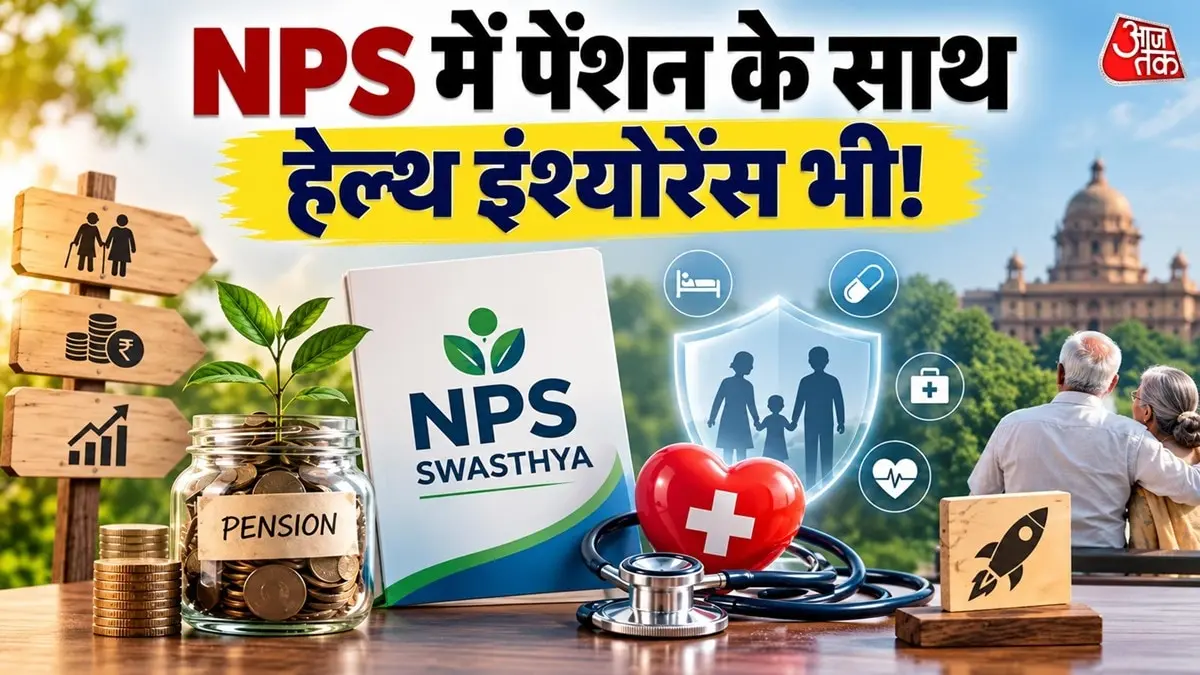
The Pension Fund Regulatory and Development Authority (PFRDA) has issued operational guidelines for NPS Swasthya, a new health insurance option linked to the National Pension System (NPS). The guidelines were released on…
The Pension Fund Regulatory and Development Authority (PFRDA) has issued operational guidelines for NPS Swasthya, a new health insurance option linked to the National Pension System (NPS). The guidelines were released on 18 September 2026 and are effective immediately. The scheme aims to combine retirement savings with healthcare coverage, allowing subscribers to use a portion of their savings for medical expenses.
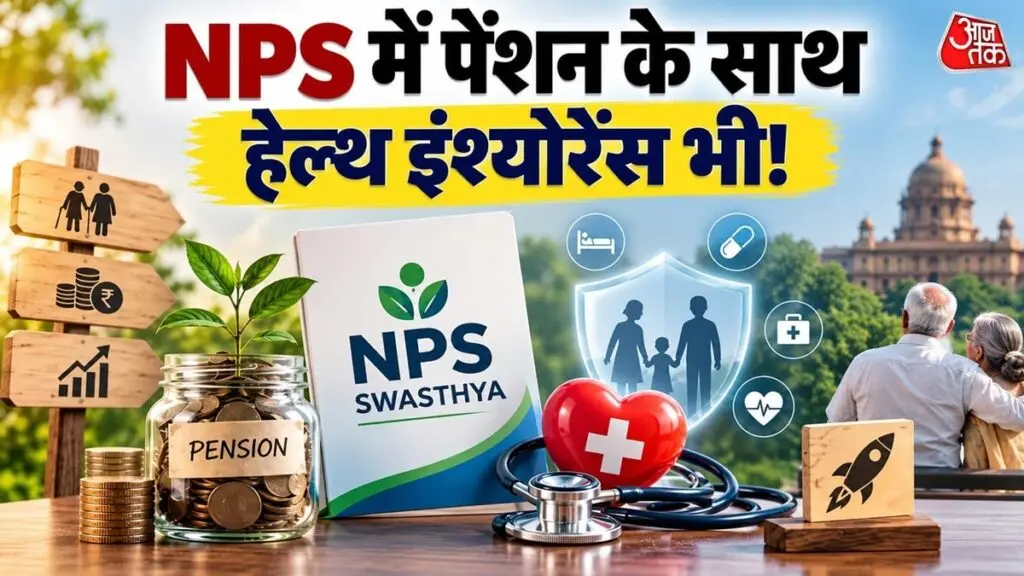
NPS Swasthya has two components: an NPS Swasthya Investment Account and a separate super top-up health insurance policy. The standard family floater policy offers sum insured options of Rs 1 lakh, Rs 5 lakh, Rs 10 lakh, and Rs 30 lakh, with annual aggregate deductibles ranging from Rs 10,000 to Rs 3 lakh. Any person eligible to join NPS can enrol, with an initial contribution that includes the first year's insurance premium, an annual maintenance charge of Rs 200, applicable tax, and a minimum investment of Rs 1,000.
Subscribers can withdraw up to 25 per cent of their total contributions for eligible healthcare expenses, but the payment will go directly to the hospital or healthcare provider, not to the subscriber's bank account. There is no limit on the number of partial withdrawals. The policy covers the subscriber, spouse, and up to two dependent children, with entry age between 18 and 70 years and renewal possible up to age 85.
Indian Opinion Analysis
NPS Swasthya marks the first time a government pension scheme has directly bundled health insurance with retirement savings, moving beyond the traditional annuity-only withdrawal structure. The partial withdrawal feature is capped at 25 per cent of the subscriber's own contributions, not the total corpus including employer or government contributions, so the amount available will be modest for most subscribers. The real operational test will be how quickly hospitals accept direct payments from the scheme's Health Benefit Alliance, given that healthcare providers typically prefer upfront cash or insurance pre-approval. The policy's renewal up to age 85 is generous, but the steep deductibles mean the coverage will absorb only catastrophic costs, not routine care. PFRDA now needs to sign up enough hospitals and insurers to make the product usable before the next enrolment cycle opens.
PFRDA needs to finalise insurer tie-ups and hospital network agreements before NPS Swasthya enrolments can begin.
Source: aajtak.in
This brief was synthesised by AI from the source linked above.