











Now Reading: Australia’s Phillip Island recovers after rabbit eradication
-
01
Australia’s Phillip Island recovers after rabbit eradication


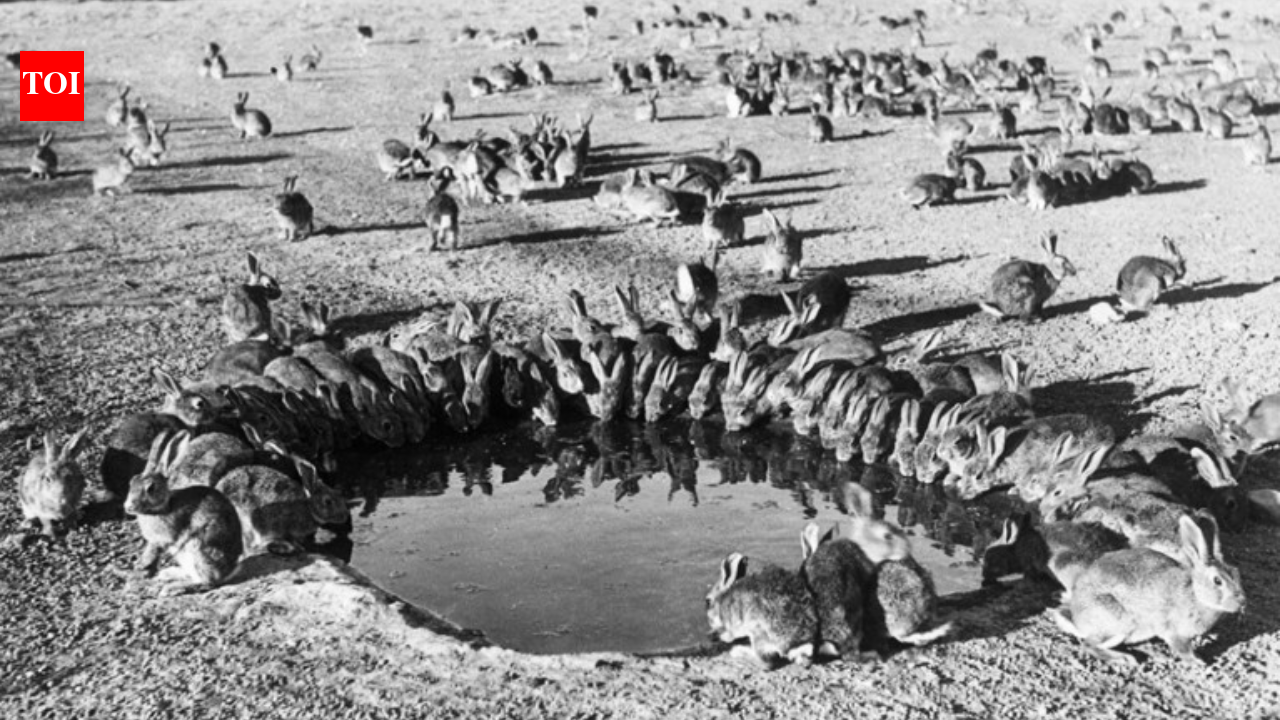
Phillip Island, near Norfolk Island, is regaining native vegetation and seabird colonies four decades after Australia removed its last breeding rabbits in 1986. Introduced rabbits, goats and pigs had stripped the volcanic…
The Story in Brief
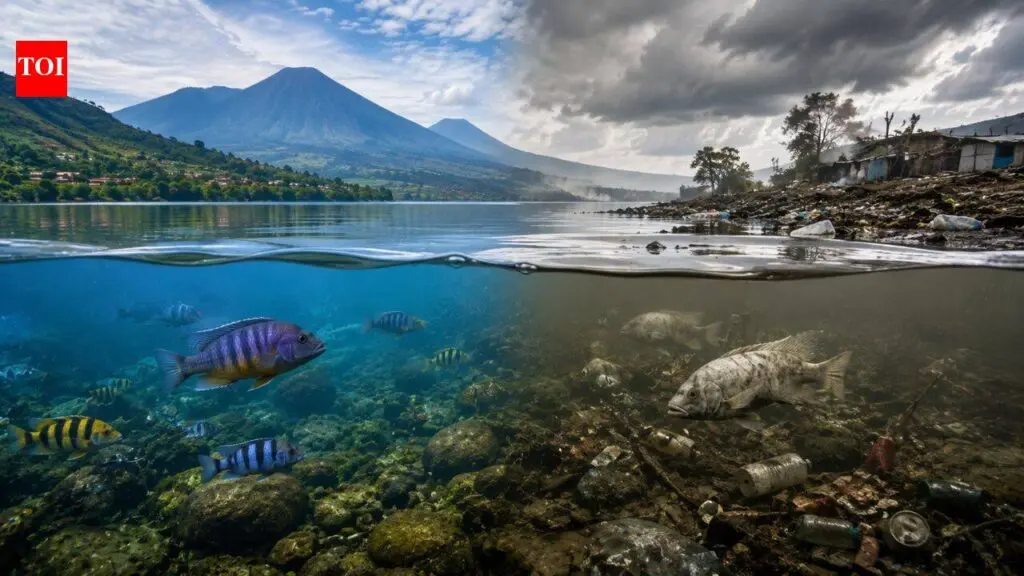
Phillip Island, near Norfolk Island, is regaining native vegetation and seabird colonies four decades after Australia removed its last breeding rabbits in 1986. Introduced rabbits, goats and pigs had stripped the volcanic island of plant cover, causing severe soil erosion. A campaign launched in 1978 used myxoma virus, 1080 bait, trapping and shooting. Once grazing stopped, buried seeds sprouted and the Norfolk Island abutilon, thought extinct for 70 years, was found again. Thousands of seabirds now breed on the island, including masked boobies, petrels, terns and noddies.
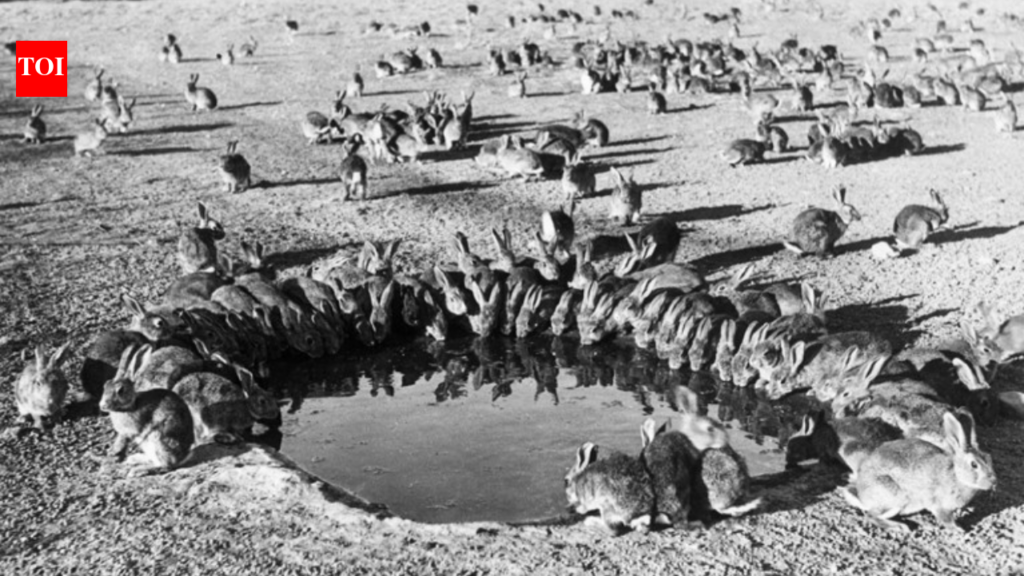
The Times of India reports that conservation teams continue removing invasive weeds, stabilising soil and monitoring seabirds. Parks Australia restricts public access and permits no commercial tours. Restoration workers are also cultivating rare plants for reintroduction elsewhere in the Norfolk Island Group, while researchers assess the island’s value as a refuge for native species.
The Indian Opinion
The easy story is that removing rabbits alone healed a damaged island. The facts are less simple. Recovery followed a planned campaign using several methods, and it still depends on weed control, soil work and monitoring. The opposite claim, that nature cannot recover after heavy human damage, also fails here. Phillip Island offers a practical test: whether native plant cover and seabird numbers keep rising without renewed grazing or invasive weeds.
Source: timesofindia.indiatimes.com
This story was synthesised by AI from the source linked above.
Updated: this story now draws on 1 sources.