













Now Reading: Chicago Tree Loss Linked to 105 More Deaths Annually
-
01
Chicago Tree Loss Linked to 105 More Deaths Annually


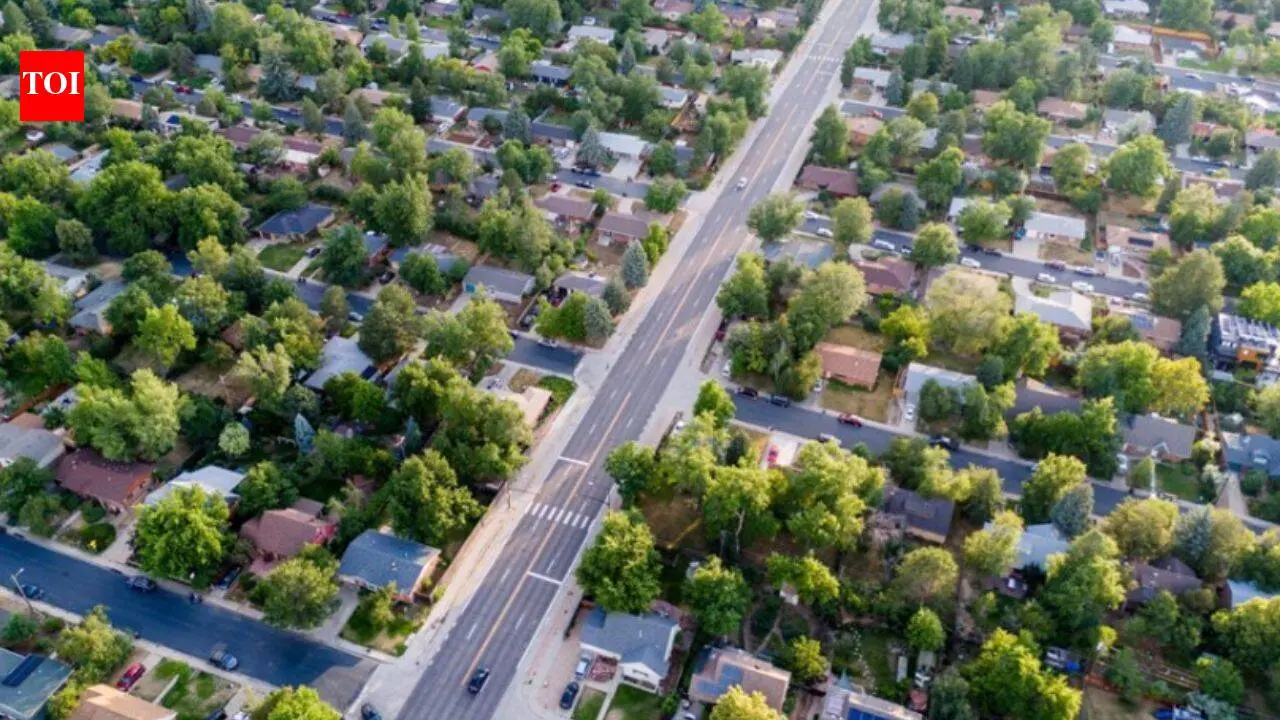
A Chicago study found neighbourhoods that lost tree canopy between 2011 and 2021 also recorded higher mortality, particularly in areas with hotter summers. Researchers analysed annual satellite measurements across census tracts alongside…
The Story in Brief
A Chicago study found neighbourhoods that lost tree canopy between 2011 and 2021 also recorded higher mortality, particularly in areas with hotter summers. Researchers analysed annual satellite measurements across census tracts alongside more than 220,000 death records from the same period. The study, published in GeoHealth and reported by Science X, found that canopy increases were associated with fewer deaths from cardiovascular and respiratory diseases, among other conditions.
Researchers estimated that raising Chicago’s canopy by about 0.03% each year, equivalent to planting roughly 14,000 trees annually, was associated with about 105 fewer deaths a year. The authors stress that cities must protect mature trees, since saplings take years to provide comparable shade and cooling. The findings show an association, not proof that tree loss directly caused each death.
The Indian Opinion
The lazy version of this story says planting 14,000 trees will immediately save 105 lives. The opposite claim, that trees are merely decoration, is just as weak. The research used a large death record and satellite dataset, but neighbourhood health also depends on housing, income, pollution and medical access. The practical test is whether cities can preserve mature canopy and then track heat-related illness and mortality over several years.
Source: timesofindia.indiatimes.com
This story was synthesised by AI from the source linked above.