












Now Reading: Ramayana story, manuscripts, art belong to different eras: scholar
-
01
Ramayana story, manuscripts, art belong to different eras: scholar


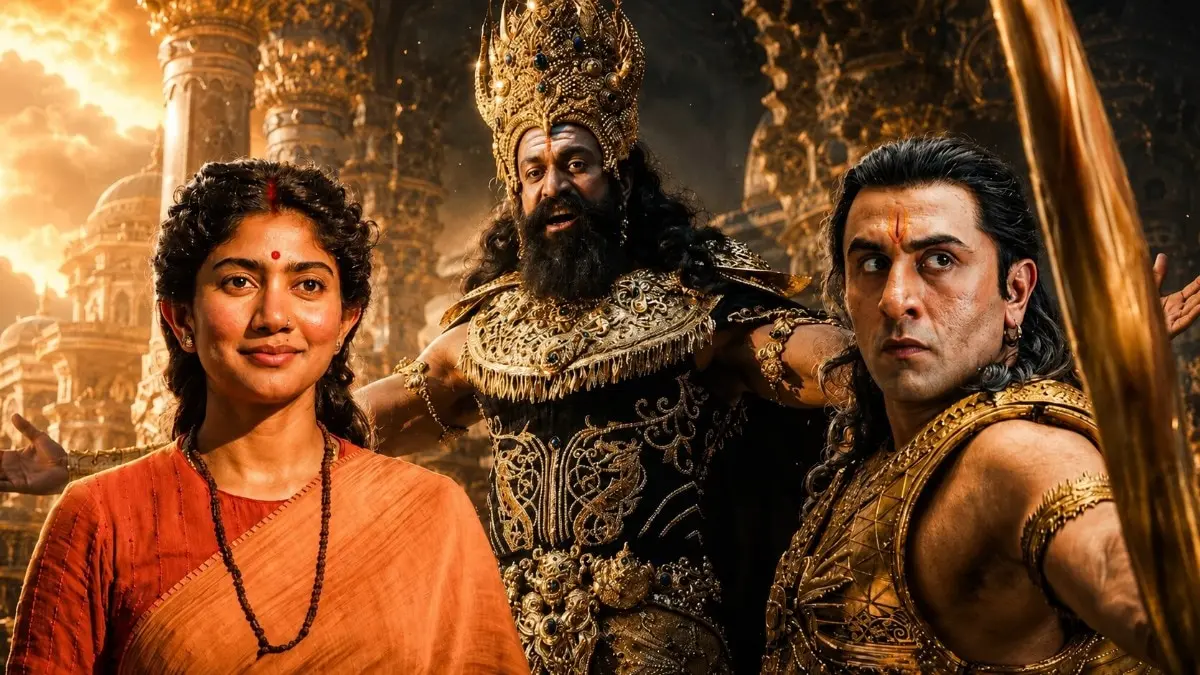
Mythologist Devdutt Pattanaik has proposed that the Ramayana's story, its written manuscripts, and its artwork originated in three distinct periods. He estimates the epic's core narrative dates back roughly 3,000 years, citing…
Mythologist Devdutt Pattanaik has proposed that the Ramayana's story, its written manuscripts, and its artwork originated in three distinct periods. He estimates the epic's core narrative dates back roughly 3,000 years, citing references to horse-drawn chariots and domesticated elephants in the text. "The proof that we have is 2,800 years ago. Therefore I'm saying that the story took place approximately 3,000 years ago," Pattanaik said, calling the figure a "guesstimate".
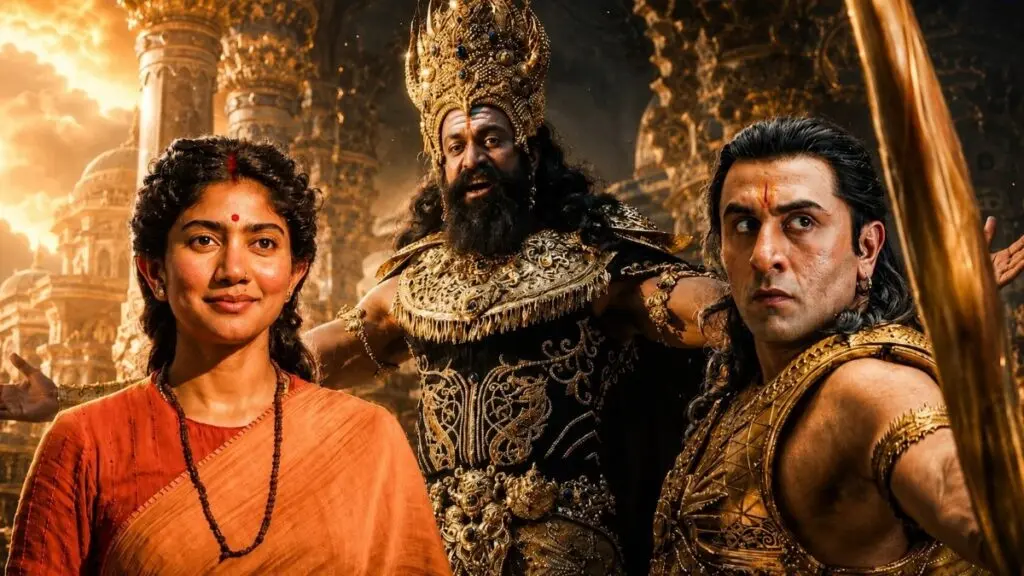
Pattanaik places the written Valmiki Ramayana around 2,000 years ago, noting that writing in Brahmi script appeared in India only about 2,300 years ago. He points to references in the text to Shakas, Yavanas, and Chinese silk as evidence of later composition. The earliest known Ramayana-related artwork, he says, emerged about 1,500 years ago during the Gupta period, with depictions of Vishnu, Rama, and Sita. Pattanaik also notes that Buddhist Jataka stories contain fragments of similar narratives, suggesting multiple older traditions fed into the epic.
Indian Opinion Analysis
Pattanaik's layered timeline sidesteps the politically charged debate over whether the Ramayana is literal history. By dating the story, the text, and the art separately, he moves the question from "when did it happen" to "when did each layer of the tradition take shape." The key concrete claim is the 2,000-year-old manuscript layer, which aligns with the scholarly consensus that the Valmiki Ramayana was composed in its present form around the early centuries BCE. The next step for readers is to watch how this framing is received in academic and public discourse, particularly in states like Chhattisgarh and Jharkhand that Pattanaik identifies as the likely geographical setting.
Source: businesstoday.in
This brief was synthesised by AI from the source linked above.