












Now Reading: Total solar eclipse crosses Spain, Iceland after 121 years
-
01
Total solar eclipse crosses Spain, Iceland after 121 years



A total solar eclipse darkened parts of Spain, Iceland and Greenland on August 12, 2026, the first such event visible from western Europe since 1999. In Spain, totality lasted barely a minute…
The Story in Brief
A total solar eclipse darkened parts of Spain, Iceland and Greenland on August 12, 2026, the first such event visible from western Europe since 1999. In Spain, totality lasted barely a minute near sunset, with crowds gathering in A Coruña, Bilbao and Ibiza. The moon’s shadow reached Iceland’s western coast at about 5.44 pm local time, lasting up to 2 minutes 13 seconds, Reuters reports. The previous total eclipse visible from Spain was in 1905, according to Associated Press, though a hybrid eclipse in 1912 produced only a few seconds of totality.
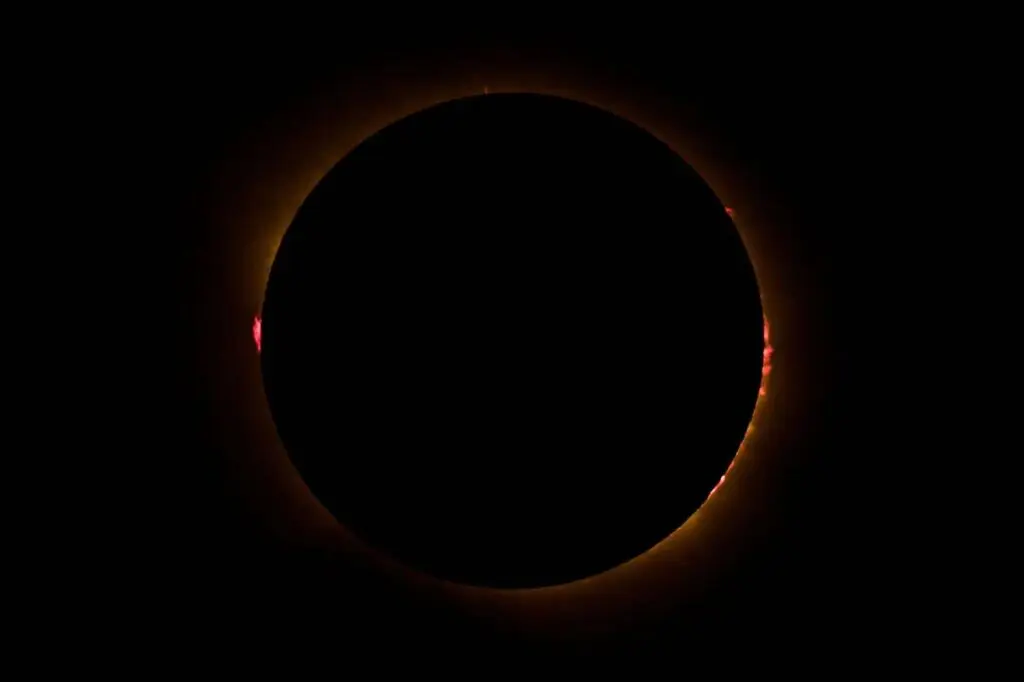
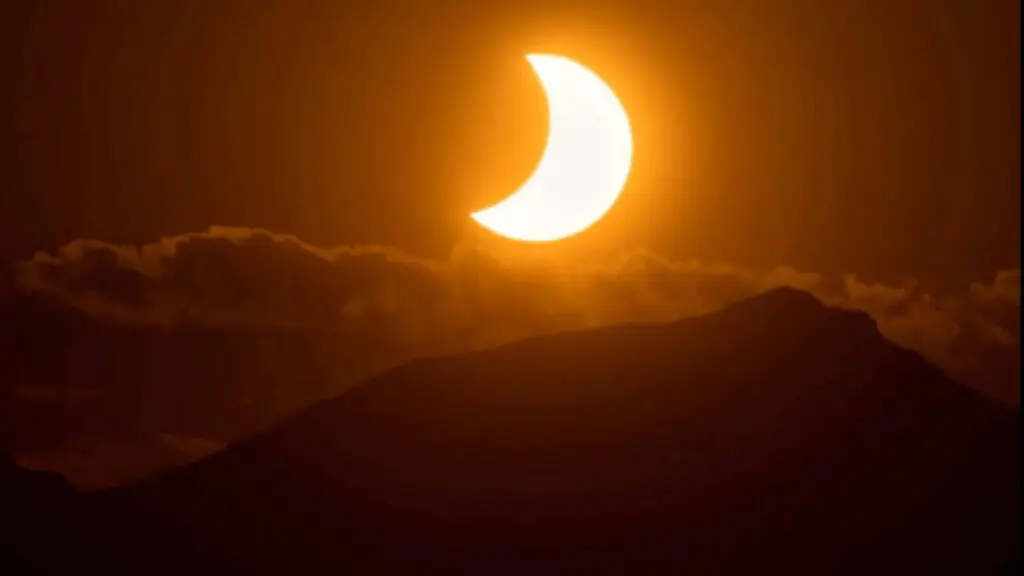
Sources disagree on the next such event. ABP Live says the next similar eclipse in Ibiza will occur in 2135, while Times of India reports another total solar eclipse will cross Spain on August 2, 2027, followed by an annular eclipse on January 26, 2028. Millions across Europe, including London and Berlin, saw a partial eclipse, with over 90 per cent of the sun obscured in Britain.
The Indian Opinion
The eclipse was billed as a once-in-a-century event, but two sources disagree on what comes next. ABP Live claims the next similar eclipse in Ibiza will be in 2135, while Times of India reports another total eclipse will cross Spain in August 2027. That is a 109-year gap in one telling and a 12-month gap in the other. Which number is correct? The 2027 eclipse will settle the question. India should watch whether Spain’s tourism officials correct the 2135 figure or let it stand.
Sources (3): timesofindia.indiatimes.com, news.abplive.com, indiatvnews.com
This story was synthesised by AI from the 3 sources linked above.
Updated: this story now draws on 3 sources.