



















Now Reading: Russian oil imports dip but remain backbone of India energy security
-
01
Russian oil imports dip but remain backbone of India energy security

Russian oil imports dip but remain backbone of India energy security

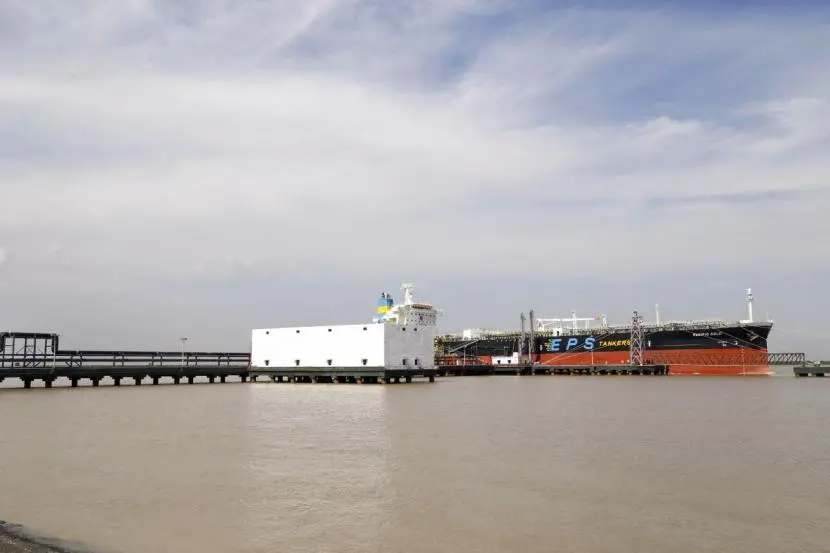
India's crude oil imports from Russia are expected to fall to 2.1 million barrels per day (mbpd) in August, down from 2.6 mbpd in July and June, according to data from Kpler.…
India's crude oil imports from Russia are expected to fall to 2.1 million barrels per day (mbpd) in August, down from 2.6 mbpd in July and June, according to data from Kpler. Despite the decline, Russia remains India's largest supplier, accounting for over 40 per cent of imports, followed by the UAE, Saudi Arabia, and Venezuela. The drop is attributed to refinery maintenance, normalisation after strong buying, lower Russian export availability, and increased competition from China.
India's energy imports are increasingly shifting towards the US, particularly for LPG, due to reduced West Asian availability and the need for diversification. Replacing nearby West Asian supplies with US cargo incurs higher freight and commodity costs. Sumit Ritolia of Kpler said India is effectively paying a premium for supply security and diversification.
Renewed US sanctions on Iran pose a macroeconomic risk for India mainly through higher energy prices. If China, a major buyer of Iranian crude, is forced to source elsewhere, competition could push benchmark prices higher, widening India's import bill and fuelling inflation. India imports 90 per cent of its crude requirements. Ritolia noted Russian crude oil has become the backbone of India's energy security.
Indian Opinion Analysis
The fall in Russian crude arrivals is the first meaningful drop in months, but the broader story is India's deepening strategic bind: Russia remains the top supplier even at lower volumes, while the US replaces West Asia for LPG at a premium. India's refinery maintenance window, typically April to September, partly explains the dip, but the long-term risk is China's hunger for the same barrels. The Petroleum Planning and Analysis Cell data for July showed India's crude basket averaged $84 per barrel, if Iranian sanctions push benchmark prices higher, the fiscal arithmetic of fuel subsidies and inflation management tightens. The next signal to watch is the September import figure from Kpler, which will show whether August was a blip or the start of a trend.
Source: Kpler data, PPAC data on Indian crude basket.
Source: rediff.com
This brief was synthesised by AI from the source linked above.