






















Now Reading: Study finds five specialised regions in snake spines
-
01
Study finds five specialised regions in snake spines



A study of 13 Australian snakes has found five distinct regions in their spines, including a short neck containing just 7 to 12 vertebrae. Published in the Journal of Morphology, the research…
The Story in Brief
A study of 13 Australian snakes has found five distinct regions in their spines, including a short neck containing just 7 to 12 vertebrae. Published in the Journal of Morphology, the research measured each vertebra and identified clear changes in shape along the backbone.
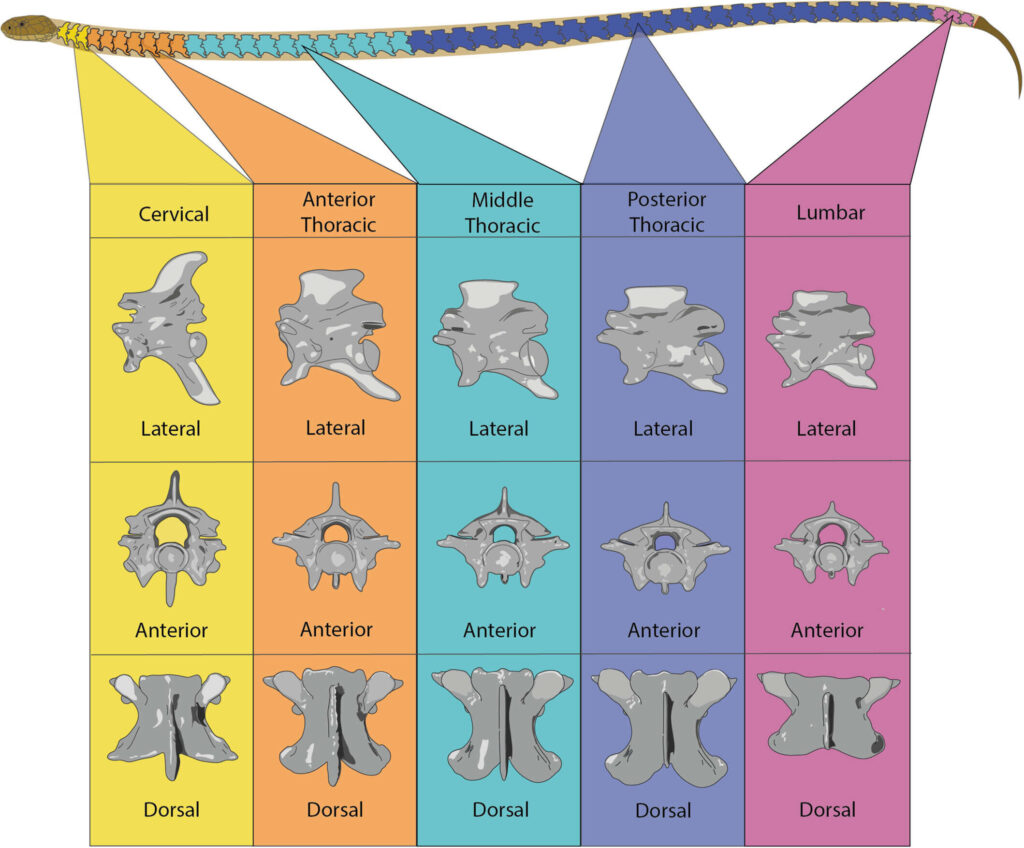
The cervical, anterior thoracic, middle thoracic, posterior thoracic and lumbar regions appear to perform different mechanical roles. The findings challenge the view that snake spines are simple, uniform structures. The neck makes up about 5% of body length, rather than earlier estimates of up to 15%. Researchers say its similarity to the necks of lizards suggests snakes retained an ancestral structure while lengthening other parts of the body.
The Indian Opinion
The lazy story that snakes are just flexible tubes does not survive detailed anatomy. Nor does the opposite claim that one study has solved snake evolution. The research covers 13 Australian snakes and builds on earlier work that found four regions, so its value lies in sharper measurement, not a final verdict on every snake. The useful test is whether studies of more species confirm the five-region pattern and its link to movement.
Source: timesofindia.indiatimes.com
This story was synthesised by AI from the source linked above.