




















Now Reading: Supreme Court halts Bihar pond beautification amid conservation plea
-
01
Supreme Court halts Bihar pond beautification amid conservation plea


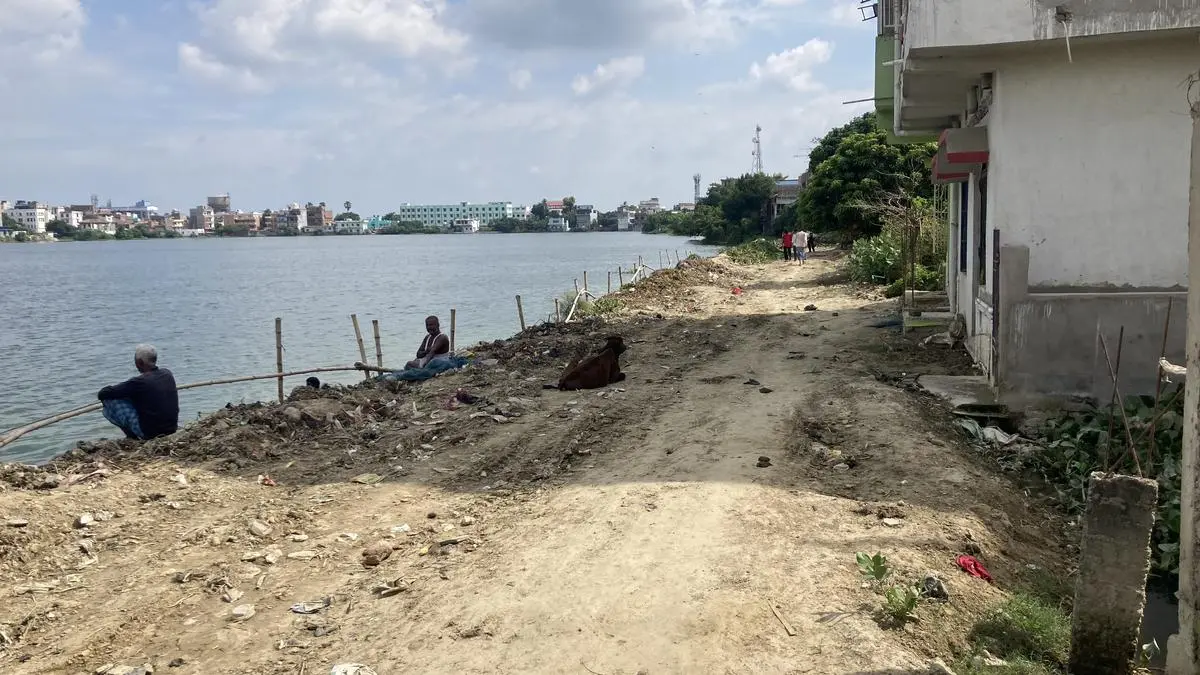
Darbhanga, once known as the 'city of ponds' with over 350 water bodies as per the 1969 district gazetteer, now has fewer than 100. Residents face depleting groundwater and struggle to draw…
Darbhanga, once known as the 'city of ponds' with over 350 water bodies as per the 1969 district gazetteer, now has fewer than 100. Residents face depleting groundwater and struggle to draw water from hand pumps in summer. The citizen group Talab Bachao Abhiyan (TBA) alleges that ponds are being filled daily by encroachers for houses, hotels, hospitals and coaching institutes.
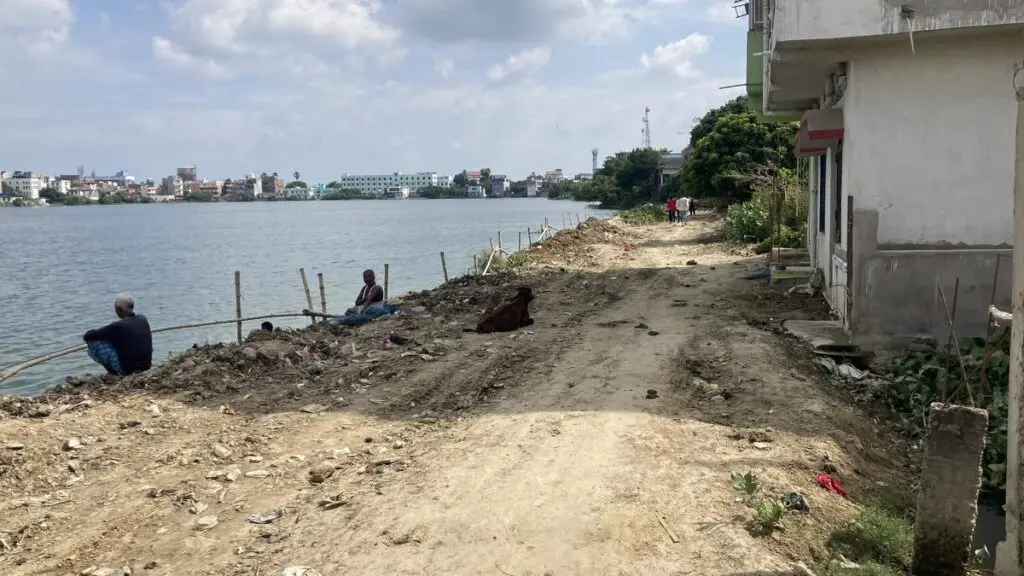
The Bihar government's Rs 70.34-crore rejuvenation and beautification plan for three historical ponds, Harahi, Dighi and Gangasagar, has been halted after the Supreme Court intervened. The Division Bench of Justices Vikram Nath and Sandeep Mehta recorded an oral undertaking from the state government on July 28 that no further soil would be dumped in the ponds. The court warned that water bodies cannot be encroached upon or filled under the guise of beautification. The next hearing is set for September 7.
TBA members had petitioned the apex court on March 14, arguing the plan violated the Wetlands Rules 2017 and NGT directives. State minister Nitish Mishra said the government would decide on the allocated funds after the final court order. The TBA, formed in 2012, has about 150 members and has previously approached the NGT and organised rallies and signature campaigns against encroachments.
Indian Opinion Analysis
The case tests how far the Wetlands (Conservation and Management) Rules, 2017, can protect urban water bodies when state governments push infrastructure or beautification projects. Darbhanga's loss of over 250 ponds in five decades mirrors a pattern across Bihar's fast-growing towns, where groundwater recharge zones are paved over as borewell dependence rises. The Supreme Court's September 7 hearing will determine whether the Rs 70.34-crore plan can proceed in a modified form or must be redesigned. A comprehensive digital inventory of ponds and wetlands across Bihar, already directed by both the NGT and the apex court, could become the template for similar conservation efforts statewide if it is implemented with timelines and penalties.
The key outcome to watch is whether the court mandates an ecological impact assessment before any construction on identified wetlands, setting a precedent beyond Darbhanga.
Source: thehindu.com
This brief was synthesised by AI from the source linked above.