












Now Reading: Supreme Court moots permanent corpus fund for SMA patients
-
01
Supreme Court moots permanent corpus fund for SMA patients



The Story in Brief
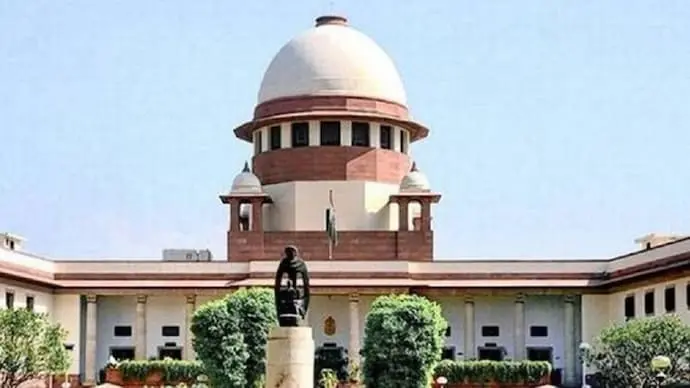
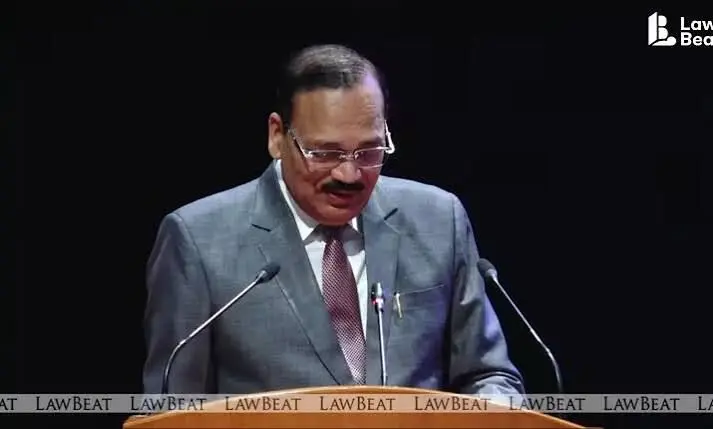
The Supreme Court on Thursday (8 October) called for a permanent, dedicated corpus fund to finance treatment for Spinal Muscular Atrophy (SMA) patients, saying ad hoc government grants and individual charity are insufficient for the rare genetic disorder. A three-judge bench headed by Chief Justice of India Surya Kant suggested contributions through corporate social responsibility (CSR) initiatives and government grants. The court stressed a regular, automatic funding mechanism operated on a strictly non-profit basis to ensure direct patient assistance.
The bench, also comprising Justices Joymalya Bagchi and V. Mohana, heard a suo motu case initiated after proceedings concerning comedian Samay Raina's remarks about disabilities. Senior advocate Aparajita Singh, amicus curiae, was asked to submit a comprehensive proposal on generating and sustaining the corpus. The Centre, represented by Additional Solicitor General Anil Kaushik, was directed to file an affidavit on the proposal.
Update, 9 October 2026: Economic Times and Business Standard now also report the Supreme Court hearing of 8 October, confirming the same proposal and bench details. The court asked amicus curiae Aparajita Singh to submit a comprehensive proposal on generating and sustaining the corpus, and directed the Centre to file an affidavit. The Hindu separately reports a seven-month-old SMA patient who received ₹10 crore gene therapy through crowdfunding in Bengaluru.
Indian Opinion Analysis
All five sources report the Supreme Court's Thursday (8 October) hearing on a corpus fund for SMA patients in near-identical neutral-report framing, with New Indian Express, LawBeat, Economic Times and Business Standard each quoting the same CJI observation verbatim. The Hindu takes a different angle altogether, publishing a separate Bengaluru hospital story about a seven-month-old who received ₹10 crore gene therapy through crowdfunding, without mentioning the court hearing. That coverage illustrates the very problem the bench described, individual charity financing a treatment, but runs as an independent dispatch, not as court follow-up. The uniform court coverage means no partisan divergence to parse: all four attribute the same proposal, the same bench composition, and the same ask for a government affidavit and amicus curiae proposal.
Coverage: 5 sources, 4 neutral
Sources (5): newindianexpress.com (neutral report), lawbeat.in (neutral report), economictimes.indiatimes.com (neutral report), business-standard.com (neutral report), thehindu.com
This brief was synthesised by AI from the 5 sources linked above, so one read covers every framing they carry. Methodology and corrections.