














Now Reading: Supreme Court scraps 1978 industry definition for new labour code
-
01
Supreme Court scraps 1978 industry definition for new labour code


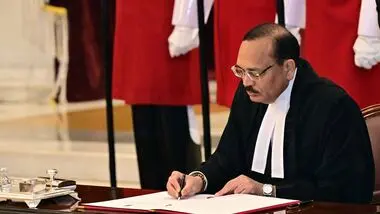
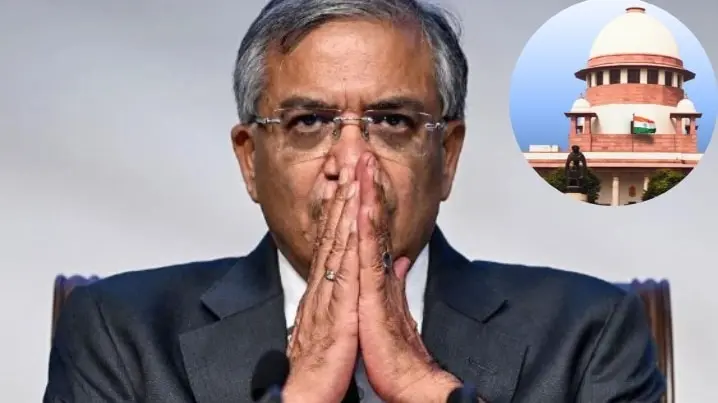
A nine-judge Supreme Court bench, by a 6:3 majority on August 20, held that the 1978 Bangalore Water Supply judgment's expansive definition of 'industry' will not apply to disputes under the Industrial Relations Code, 2020. The 1978 verdict had granted workers in hospitals, schools and municipalities legal protections under the Industrial Disputes Act, 1947. The majority, led by Chief Justice Surya Kant, said the new code must be interpreted on its own text, not burdened by the old precedent.
The court ruled that the 1978 'triple test' remains valid only for legacy cases pending under the repealed 1947 Act. Justice B.V. Nagarathna dissented, arguing the reference was unwarranted and that a broad definition of industry is essential to safeguard workers' rights in India's privatising economy. She was joined by Justices Dipankar Datta and Ujjal Bhuyan. Justices P.S. Narasimha and Joymalya Bagchi wrote separate opinions agreeing with the majority.
The verdict is prospective: all future disputes under the 2020 Code will be adjudicated based on the Code's own language. Detailed judgments are awaited.
Indian Opinion Analysis
The Hindu's framing foregrounds the loss of worker protections and quotes Nagarathna's dissent at length, while Livemint's headline misleadingly says the 1978 verdict was 'upheld', only the triple test's core survives, but only for old cases. The Economic Times sticks to procedural facts. The real story is the 6:3 majority's clean break: future disputes under the 2020 Code start from scratch. What to watch: the detailed judgment, awaited, will reveal if the triple test is truly dead or merely renamed.
Coverage: 3 sources, 2 neutral, 1 sensationalist
Sources (3): thehindu.com (neutral report), livemint.com (sensationalist), legal.economictimes.indiatimes.com (neutral report)
This story was synthesised by AI from the 3 sources linked above. Methodology and corrections.
Updated: this story now draws on 3 sources.