














Now Reading: Supreme Court: time in winding-up can’t extend recovery suit limit
-
01
Supreme Court: time in winding-up can’t extend recovery suit limit


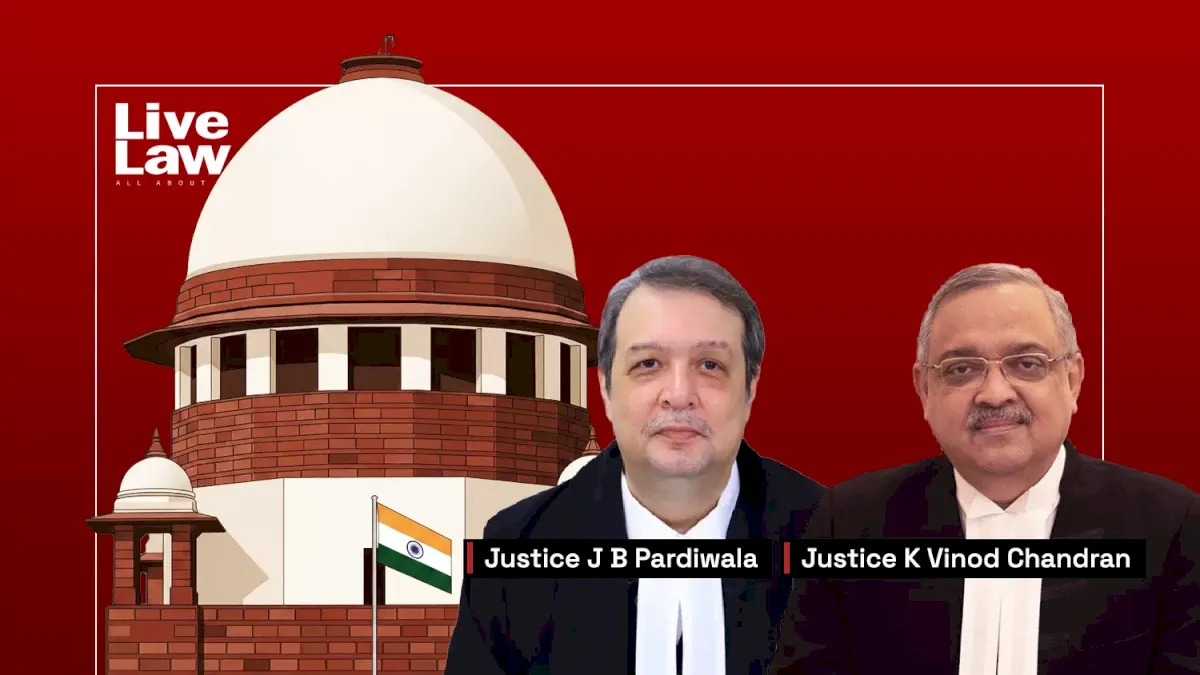
The Supreme Court has ruled that time spent in winding up proceedings cannot be excluded under Section 14 of the Limitation Act when filing a recovery suit. A bench of Justices JB…
The Story in Brief
The Supreme Court has ruled that time spent in winding up proceedings cannot be excluded under Section 14 of the Limitation Act when filing a recovery suit. A bench of Justices JB Pardiwala and K Vinod Chandran said the two remedies seek fundamentally different relief.
The case involved a recovery suit filed in June 2010 for Rs 24.36 lakh based on invoices from January 2006 and March 2007, well past the three-year limit. The respondent had earlier filed a winding-up petition in February 2009, which the company court dismissed due to a genuine dispute. The Calcutta High Court had allowed the recovery suit, but the Supreme Court set aside that order, holding that the claim was clearly time-barred.

The Indian Opinion
This judgment is a needed reality check. It is tempting to see any corporate proceeding as buying time for the same debt. The court makes a sharp distinction: a winding-up petition seeks to dissolve the company, not collect money. A recovery suit is for cash. Confusing the two lets defaulters run out the limitation clock. The test now is simple, will the next litigant try to shoehorn insolvency time into a money suit? If they do, this ruling shuts the door.
Source: livelaw.in
This story was synthesised by AI from the source linked above.