




















Now Reading: Supreme Court rules 1978 industry definition not for new labour code
-
01
Supreme Court rules 1978 industry definition not for new labour code


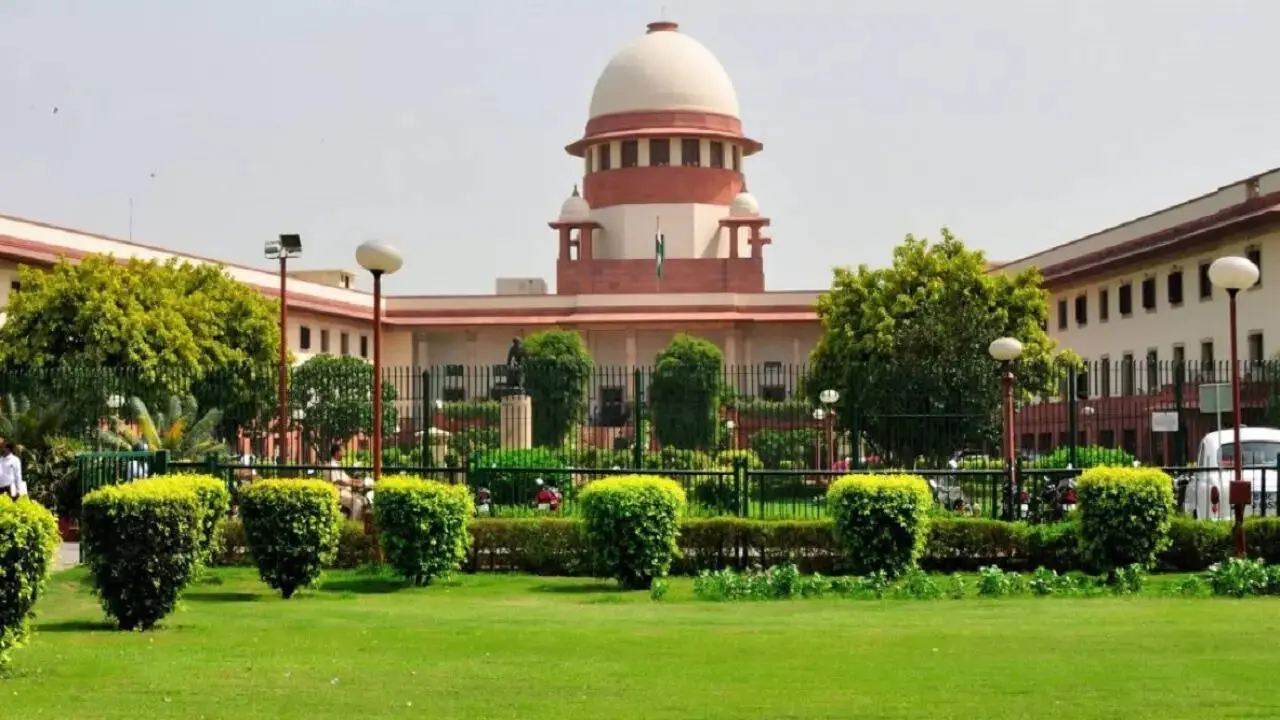
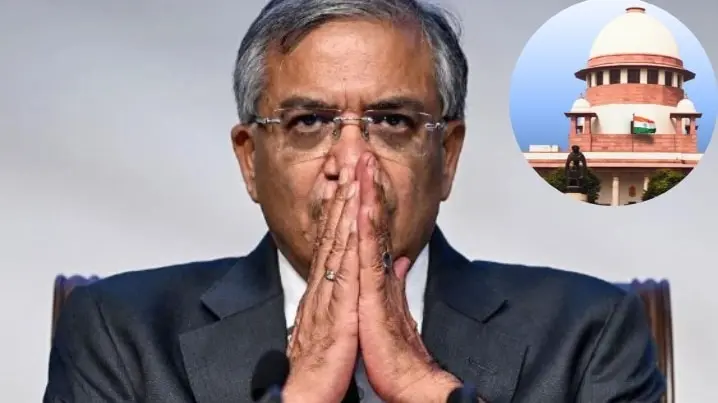
The Supreme Court of India, by a 6:3 majority, has ruled that the broad, labour-friendly definition of 'industry' from its landmark 1978 Bangalore Water Supply judgement will not apply to the Industrial Relations Code of 2020. A nine-judge Constitution bench headed by Chief Justice Surya Kant delivered the verdict. The 'triple test' from the 1978 judgement remains valid for pending cases under the repealed Industrial Disputes Act of 1947, as per the majority opinion.
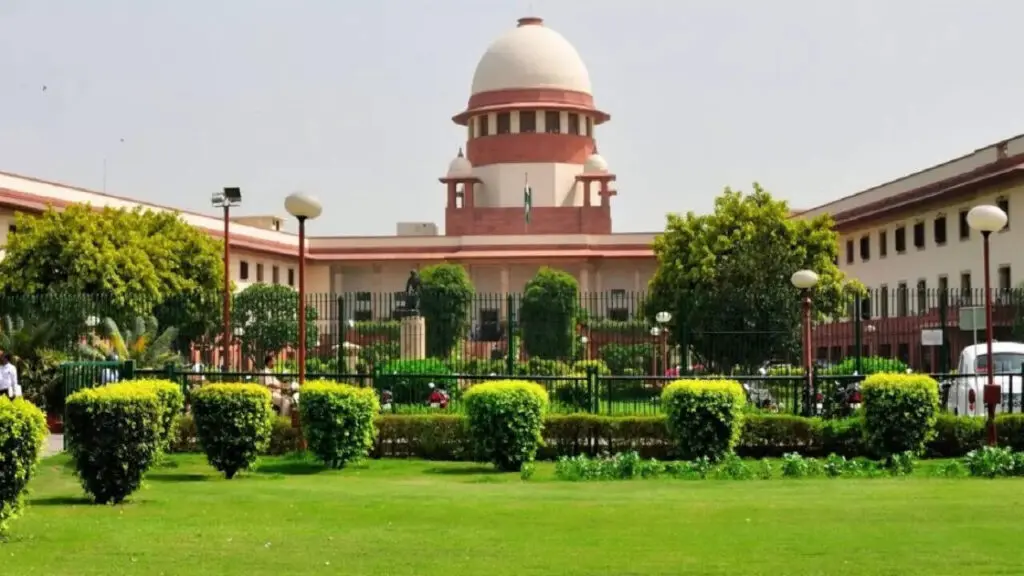
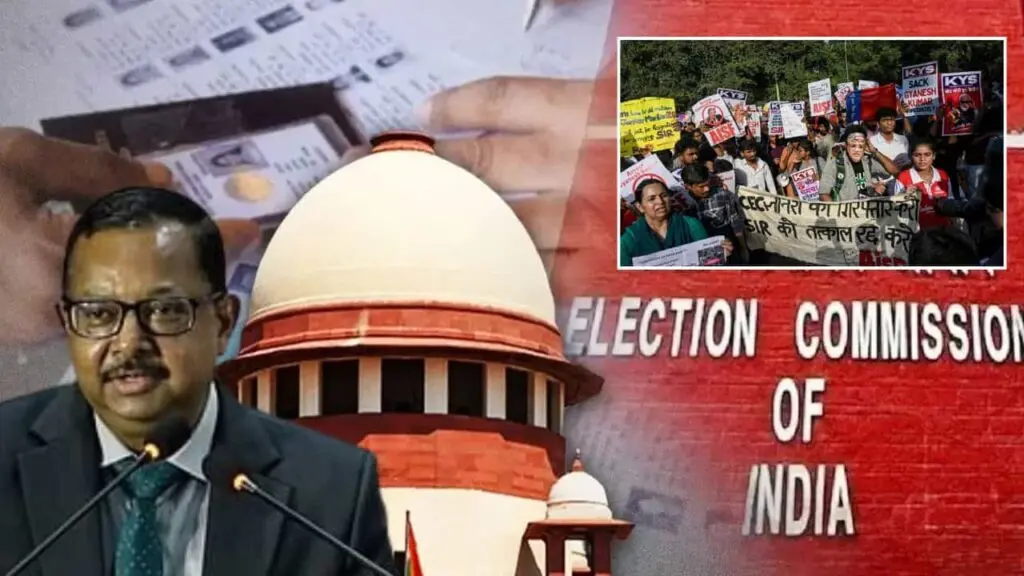
Times Now reports that the court said the broad definition under the 1978 verdict is the correct interpretation for the 1947 Act, but the new code must be interpreted based on its own text and context. Rediff adds that Justices B V Nagarathna, Dipankar Datta, and Ujjal Bhuyan dissented, particularly on the validity of referring the matter to the nine-judge bench. All nine judges agreed the issue has become largely academic since the 1947 Act has been repealed.
Indian Opinion Analysis
Times Now's report focuses on the court upholding the broad industry definition, while Rediff leads with the fact that this definition will not apply to the new code. The critical frame emphasises a loss for labour, as the expansive 1978 ruling that protected millions is set aside for future disputes under the 2020 code. The neutral reading is that the ruling is a procedural clarification: the old law's broad definition still governs pending cases, but the new law starts afresh, leaving its interpretation open. Watch for the detailed judgment on how the 2020 code will now be interpreted.
Coverage: 2 sources, 2 neutral
Sources (2): timesnownews.com (neutral report), rediff.com (neutral report)
This story was synthesised by AI from the 2 sources linked above. Methodology and corrections.
Updated: this story now draws on 2 sources.