










Now Reading: Supreme Court’s 2026 gender guidelines differ from 2023 handbook
-
01
Supreme Court’s 2026 gender guidelines differ from 2023 handbook


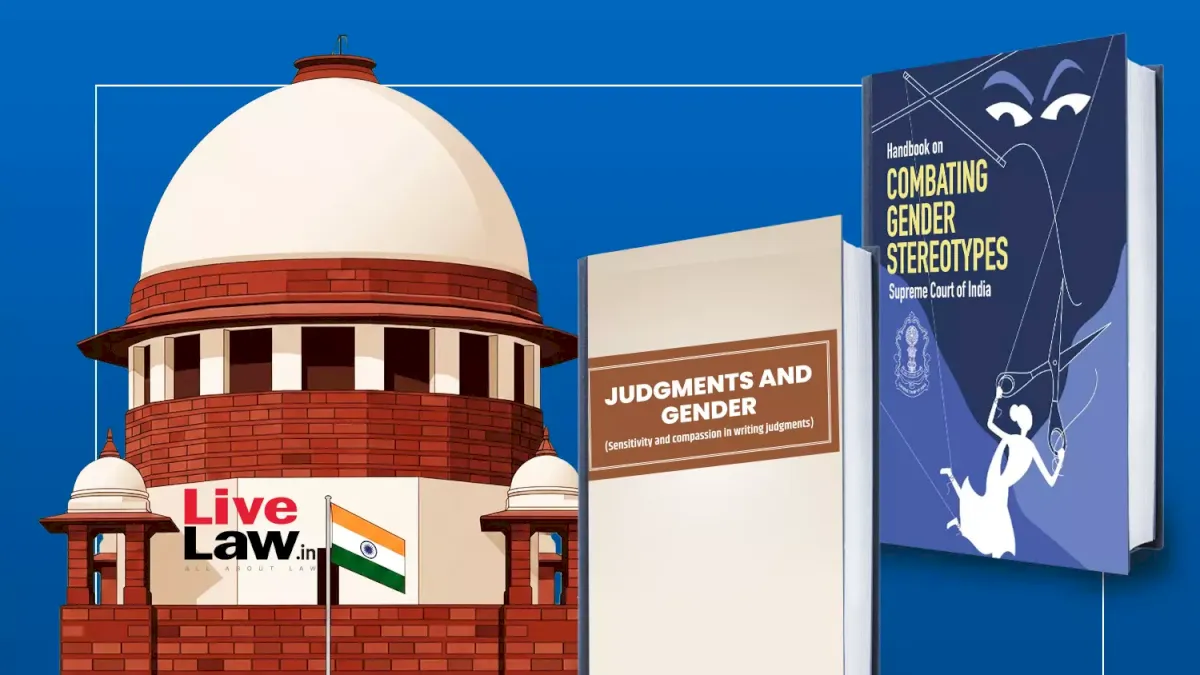
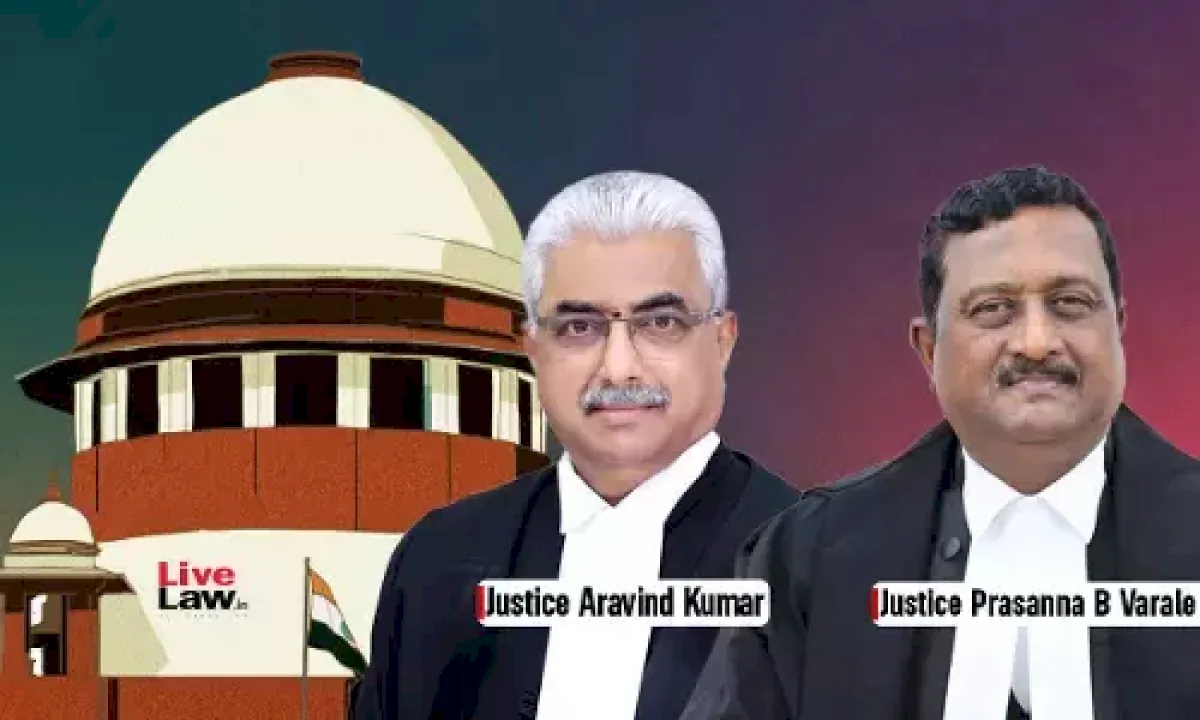
The Supreme Court’s 2026 guidelines on gender-sensitive court practices, prepared by an expert committee headed by former judge Justice Aniruddha Bose, differ sharply from the 2023 handbook. Chief Justice Surya Kant had…
The Story in Brief
The Supreme Court’s 2026 guidelines on gender-sensitive court practices, prepared by an expert committee headed by former judge Justice Aniruddha Bose, differ sharply from the 2023 handbook. Chief Justice Surya Kant had called the earlier handbook “too technical” and “Harvard-oriented” for laypersons, and ordered the National Judicial Academy to draft simpler, India-specific norms. The 2026 report, based on a review of 125 trial court judgments, focuses narrowly on sexual offences, offering a practical glossary of problematic phrases and urging judges to avoid victim-blaming and moralistic language. In contrast, the 2023 handbook covered a broader range of stereotypes affecting caste, class, and disability. LiveLaw reports that while the glossaries overlap, the 2026 report emphasises evidence-based writing over speculation about a survivor’s character or clothing.

The Indian Opinion
The CJI's criticism of the 2023 handbook as 'Harvard-oriented' risks reinforcing a false binary: foreign equals bad, Indian equals simple. But the 2026 report’s narrowing of scope to sexual offences may dilute the broader fight against caste, class, and disability stereotypes in judicial reasoning. The real test is whether trial courts, which the CJI himself lamented remain insensitive, actually adopt the new glossary and principles. Watch for the next Allahabad High Court judgment on a sexual offence: will it use 'survivor' instead of 'prosecutrix'? That will tell us if the shift is real.
Source: livelaw.in
This story was synthesised by AI from the source linked above.