













Now Reading: Tibetan Activist’s UN Self-Immolation Revives Global Independence Campaign
-
01
Tibetan Activist’s UN Self-Immolation Revives Global Independence Campaign

Tibetan Activist’s UN Self-Immolation Revives Global Independence Campaign

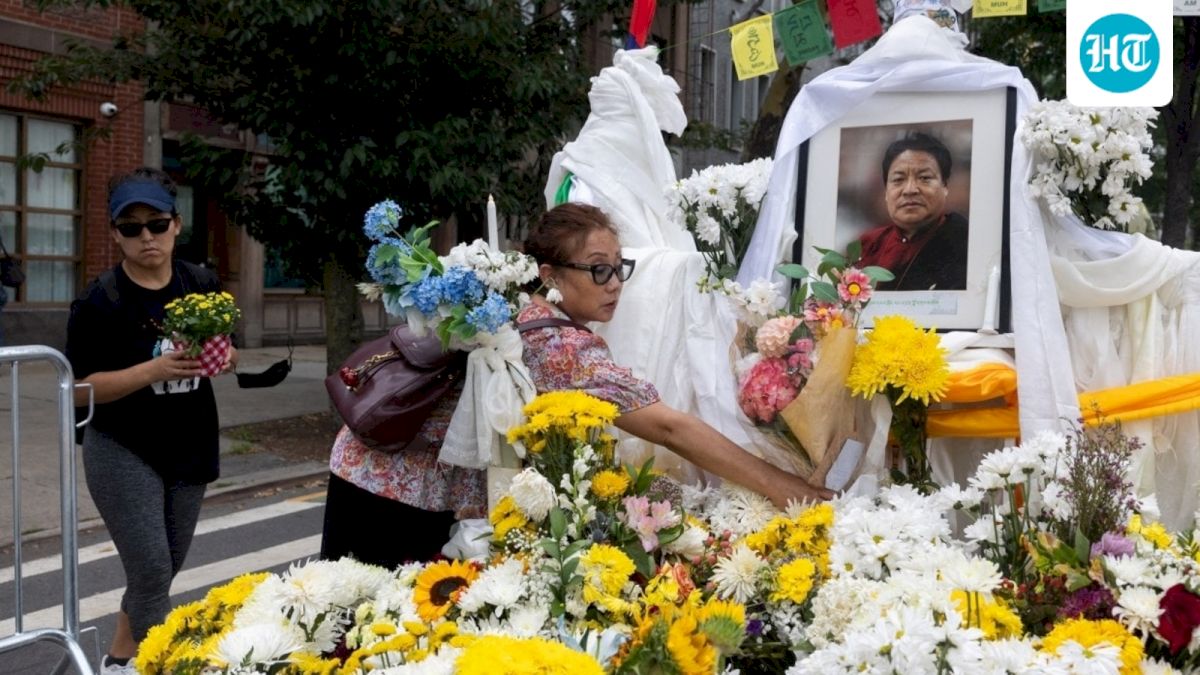
Tibetan activist Lobga Rangzen, 52, died after setting himself on fire outside the United Nations headquarters in New York on July 2. He livestreamed the act while carrying a Tibetan flag and…
The Story in Brief
Tibetan activist Lobga Rangzen, 52, died after setting himself on fire outside the United Nations headquarters in New York on July 2. He livestreamed the act while carrying a Tibetan flag and later left a six-minute video manifesto. Rangzen, whose legal name was Lobsang Palden, had fled Tibet, spent years as a monk in southern India and moved to the United States in 2006.
His death prompted shrines, rallies and demonstrations in several countries, including India, Canada, France and Australia. Tibetan activists described the act as a political statement for independence, while China’s embassy in Washington blamed the Dalai Lama’s supporters for encouraging separatism. The Dalai Lama expressed sorrow and questioned the effectiveness of self-immolation. New York police are investigating.

The Indian Opinion
The lazy narrative that Rangzen’s death was either pure martyrdom or simply an act of madness misses the evidence. His supporters describe careful preparation and a political message, while the human cost cannot be separated from the method he chose. China’s denial of repression and the diaspora’s romantic language both avoid harder questions about results. The useful test is whether this tragedy produces sustained international pressure or just short-lived attention around a shrine.
Sources (2): hindustantimes.com, hindustantimes.com (2)
This story was synthesised by AI from the 2 sources linked above.
Updated: this story now draws on 2 sources.