













Now Reading: To be economic superpower, India must fix talent flight like China
-
01
To be economic superpower, India must fix talent flight like China

To be economic superpower, India must fix talent flight like China

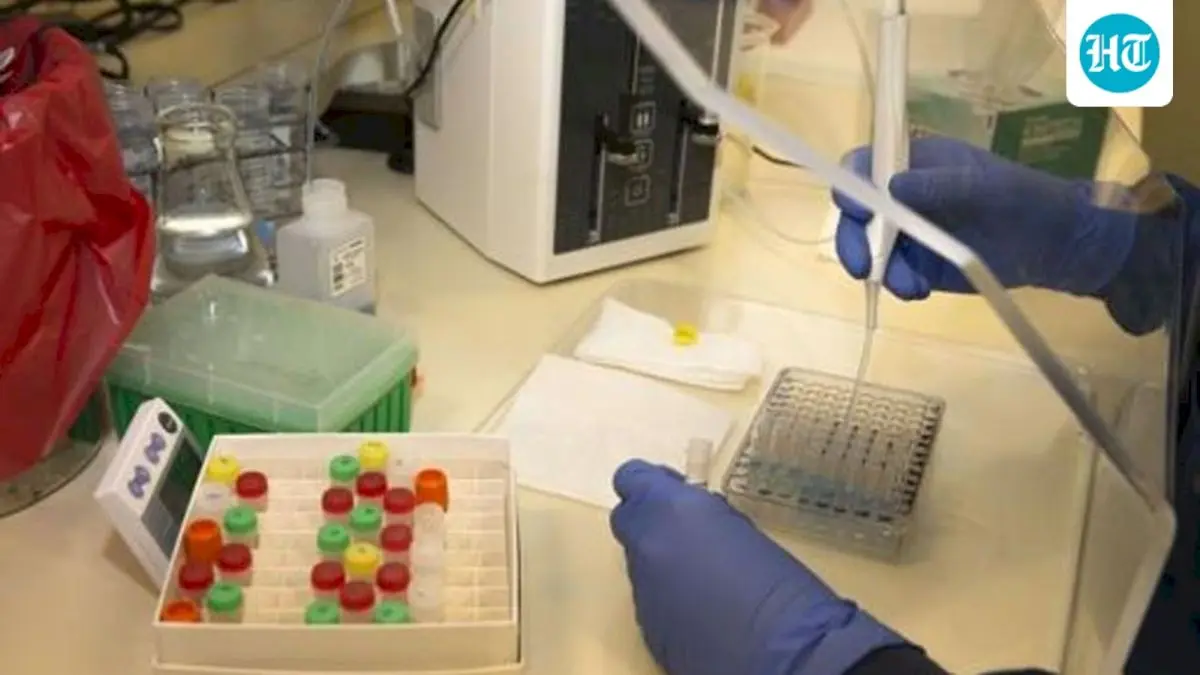
Singapore’s first Prime Minister Lee Kuan Yew warned that not attracting the best into government yields second-rate results. As India approaches its 80th year of Independence, it faces a similar challenge: retaining…
The Story in Brief
Singapore’s first Prime Minister Lee Kuan Yew warned that not attracting the best into government yields second-rate results. As India approaches its 80th year of Independence, it faces a similar challenge: retaining talent from Isro, the Army, IITs, and IIMs. The private sector offers higher salaries and long-term contracts, while government rules on retirement and red tape remain colonial-era constraints. China tackled this by launching over 200 programmes, including the “1,000 talent plan” and Qiming scheme, offering scientists millions in grants, VIP facilities, and family support. India’s defence exports have risen to $4.5 billion, and Isro scientists now contribute to private ventures like Skyroot Aerospace, but a composite structure linking government, corporate, and startup sectors is still missing.
The Indian Opinion
The piece invokes a tired narrative that government jobs are inferior to private sector pay. Yet the IIT, IIM, and Isro exodus is measured in dozens, not lakhs, while crores of Indians still queue for government exams. The real test is whether India can create a composite model, like the US or China, where public research labs share talent with startups without losing institutional memory. Until we see a concrete policy for dual appointments and IP sharing, this debate remains academic.
Source: hindustantimes.com
This story was synthesised by AI from the source linked above.