














Now Reading: Total solar eclipse sweeps Europe, first since 1999
-
01
Total solar eclipse sweeps Europe, first since 1999


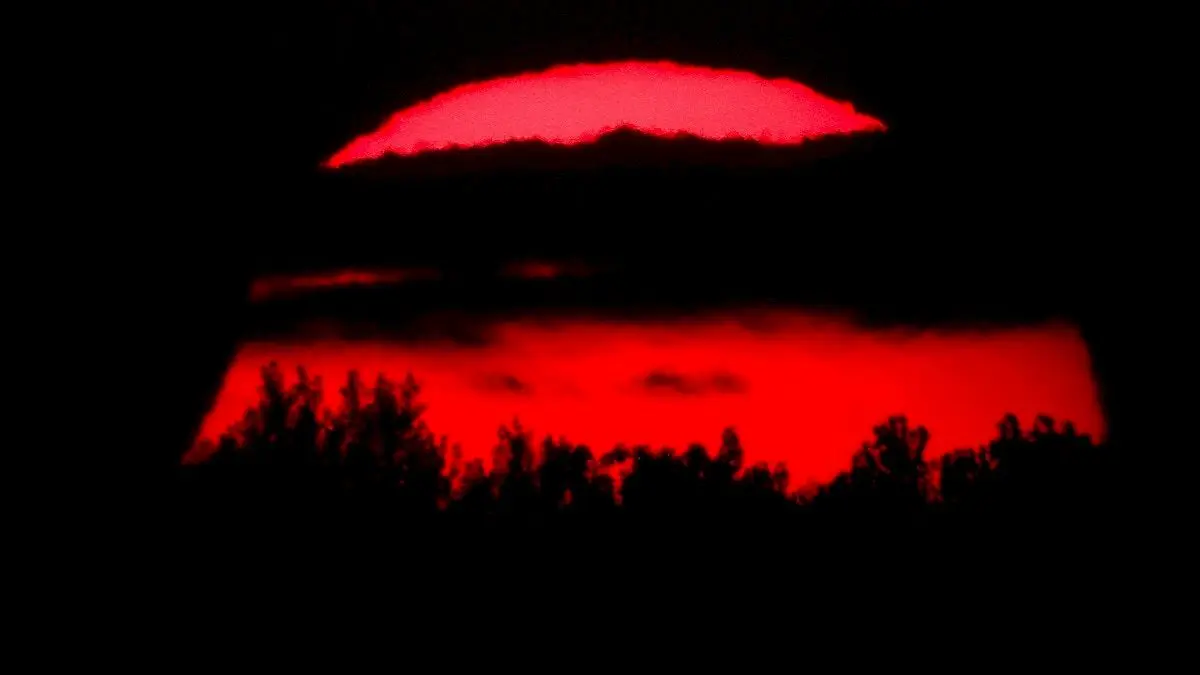
A total solar eclipse darkened skies across parts of the Northern Hemisphere on August 12, marking mainland Europe's first totality since 1999. The moon's shadow swept over Greenland, Iceland, northern Russia, Spain…
The Story in Brief
A total solar eclipse darkened skies across parts of the Northern Hemisphere on August 12, marking mainland Europe's first totality since 1999. The moon's shadow swept over Greenland, Iceland, northern Russia, Spain and a small part of Portugal. Totality lasted up to 2 minutes 18 seconds. Millions gathered in Spain, where authorities deployed 33,500 police and set up 350 official viewing sites amid wildfire risks and temperatures above 35°C. The event began globally at 3:34 PM GMT and ended by 7:58 PM GMT.
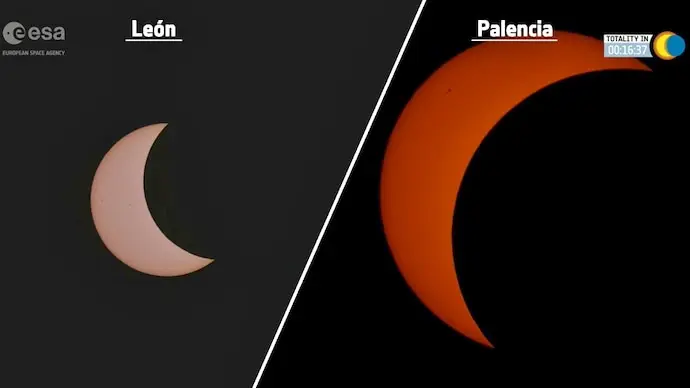
India could not observe the eclipse as it occurred during the country's nighttime. The event was the only total solar eclipse of 2026. Scientists used the brief darkness to study the sun's corona, which is usually hidden by the sun's intense light. Nasa and the European Space Agency broadcast live feeds. The Times of India reports clear skies offered unobstructed views across much of southern England and Wales.
The Indian Opinion
The breathless coverage of Europe's eclipse overlooks how routine these events are for the planet. A total solar eclipse occurs somewhere on Earth every 18 months on average, but headlines treated this as a once-in-a-lifetime spectacle. The real test is not how many tourists Spain drew but whether the corona data collected advances science. How much did we actually learn from those two minutes of darkness?
Sources (4): indiatoday.in, indiatoday.in (2), timesofindia.indiatimes.com, deccanchronicle.com
This story was synthesised by AI from the 4 sources linked above.
Updated: this story now draws on 4 sources.