











Now Reading: Rare total solar eclipse draws millions across Europe
-
01
Rare total solar eclipse draws millions across Europe


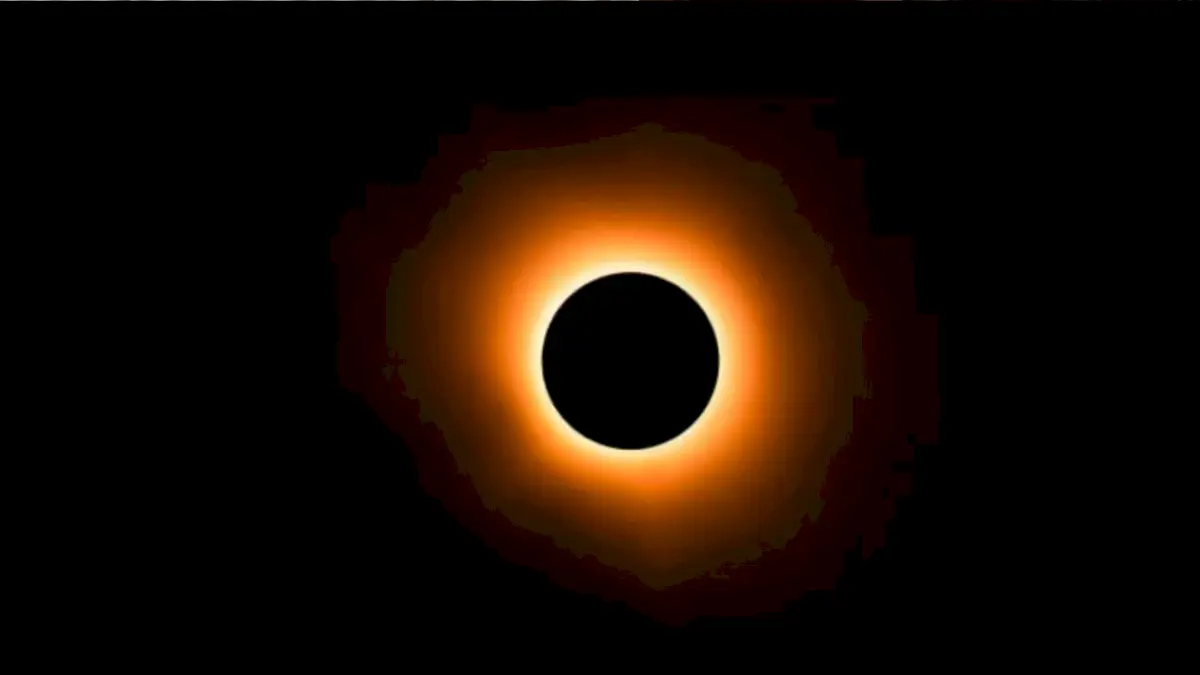
The only total solar eclipse of 2026 plunged parts of Europe into darkness on 12 August, with the Moon completely covering the Sun for up to two and a half minutes. The…
The Story in Brief
The only total solar eclipse of 2026 plunged parts of Europe into darkness on 12 August, with the Moon completely covering the Sun for up to two and a half minutes. The path of totality crossed Greenland, Iceland, northern Russia, Spain and a small part of Portugal, while a partial eclipse was visible across much of Europe and parts of North America. Spain experienced its first total eclipse on mainland territory since 1905, drawing at least 500,000 additional visitors, while Iceland hosted up to 20,000 extra overseas tourists for its first totality since 1954. The event was also visible from Reykjavík for the first time since 1433. Cloudy weather affected viewing in parts of Iceland.
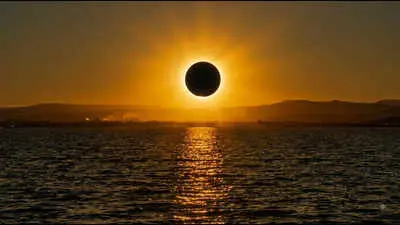
In Spain, the government deployed more than 33,500 law enforcement officers around viewing areas as temperatures climbed above 35°C, with dry vegetation raising wildfire concerns. Outside the path of totality, the UK and Ireland saw roughly 90-96 per cent of the Sun covered. India missed the eclipse entirely as the visibility zone did not extend there. The next total solar eclipse is expected on 2 August 2027, crossing southern Spain, North Africa, Saudi Arabia and Yemen.
The Indian Opinion
News coverage casts the eclipse as a 'once in a lifetime' spectacle, but the numbers tell a measured story. Spain saw 500,000 extra visitors, Iceland 20,000, tiny fractions of global tourism. Hotels profiteered, yet cloudy skies spoiled many views and environmental risks were ignored. The real test: will authorities manage the 2027 eclipse as responsibly as Spain's 33,500-strong police deployment? Or will spectacle always trump safety?
Sources (4): timesnownews.com, timesofindia.indiatimes.com, gadgets360.com, timesofindia.indiatimes.com (2)
This story was synthesised by AI from the 4 sources linked above.
Updated: this story now draws on 4 sources.