








Now Reading: Trump declares wind-turbine imports a national security threat, orders trade talks
-
01
Trump declares wind-turbine imports a national security threat, orders trade talks

Trump declares wind-turbine imports a national security threat, orders trade talks

The Story in Brief
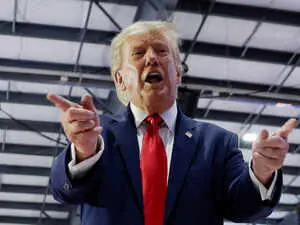
US President Donald Trump on Thursday, 22 October 2026 declared imports of wind turbines and their components a threat to national security, but stopped short of imposing new tariffs. A Commerce Department investigation found cybersecurity risks from foreign-made equipment, potential interference with radar and air traffic operations, and increased reliance on overseas goods.
Instead of immediate trade restrictions, Trump directed trade officials to negotiate with partners and report back within 180 days. Additional measures, including tariffs, could be considered later. Major suppliers to the US include Mexico, France, India, Denmark and Germany, according to trade data cited by the American Action Forum. Trump repeated his criticism that wind energy is unreliable due to its intermittent nature.
Indian Opinion Analysis
Economic Times led with the national security declaration and named India among top suppliers, giving weight to the administration's stated cybersecurity and radar-interference rationale. CNBC-TV18 led instead with the tariff delay and the 180-day review, foregrounding Trump's opposition to wind energy, court challenges to his tariff powers, and a midterm-election angle. Both reported the same facts, CNBC-TV18 framed the move as a political and legal punt while Economic Times framed it as a measured national-security step. The balanced reading: the order cites security concerns but imposes no immediate trade cost, leaving the next step to negotiations and a 180-day deadline.
Coverage: 2 sources, 2 neutral
Sources (2): economictimes.indiatimes.com (neutral report), cnbctv18.com (neutral report)
This brief was synthesised by AI from the 2 sources linked above, so one read covers every framing they carry. Methodology and corrections.