















Now Reading: Bill to enable UPI MDR tabled, no decision yet: Sitharaman
-
01
Bill to enable UPI MDR tabled, no decision yet: Sitharaman


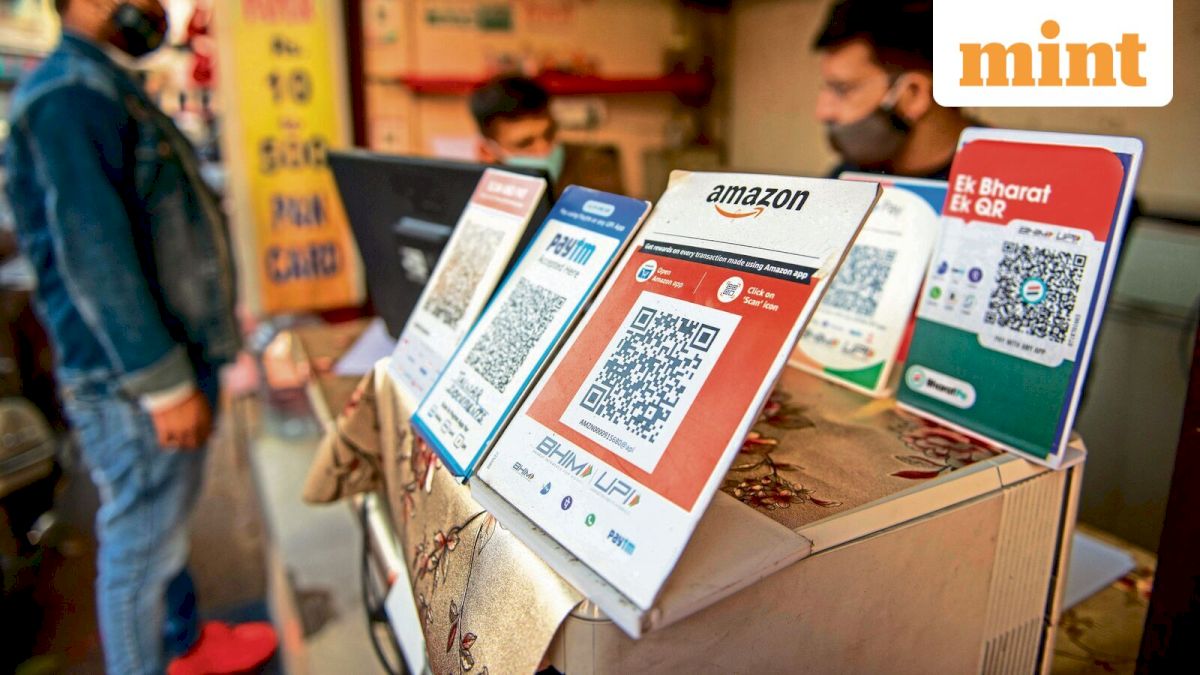
The government has tabled a bill in the Lok Sabha to amend the Payment and Settlement Systems Act, 2007, removing the blanket ban on merchant discount rate (MDR) for UPI transactions. Finance…
The Story in Brief
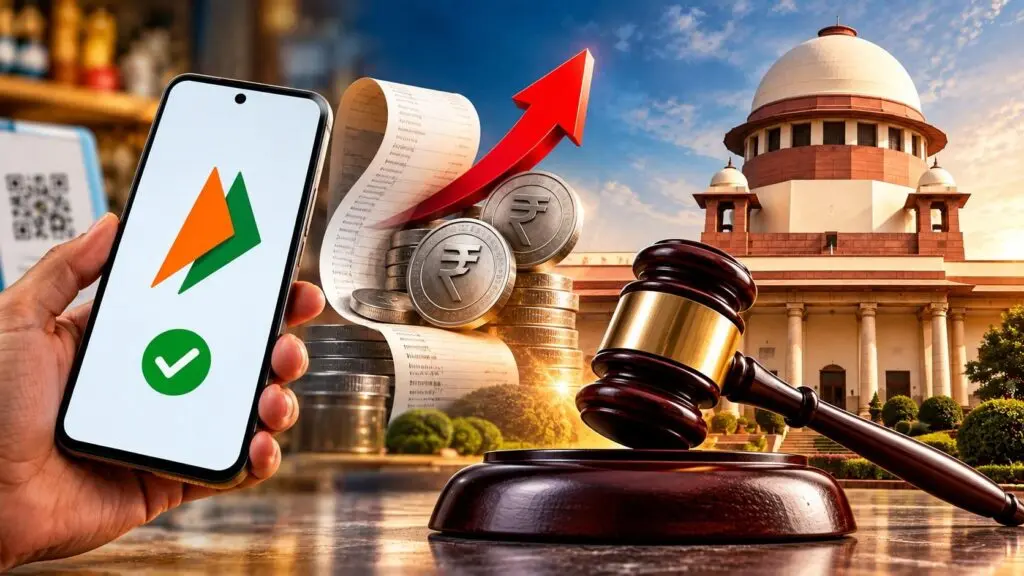
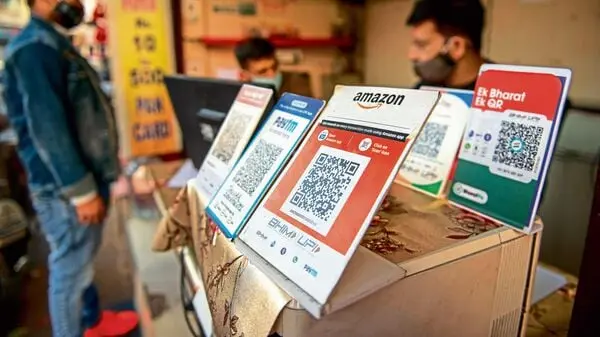
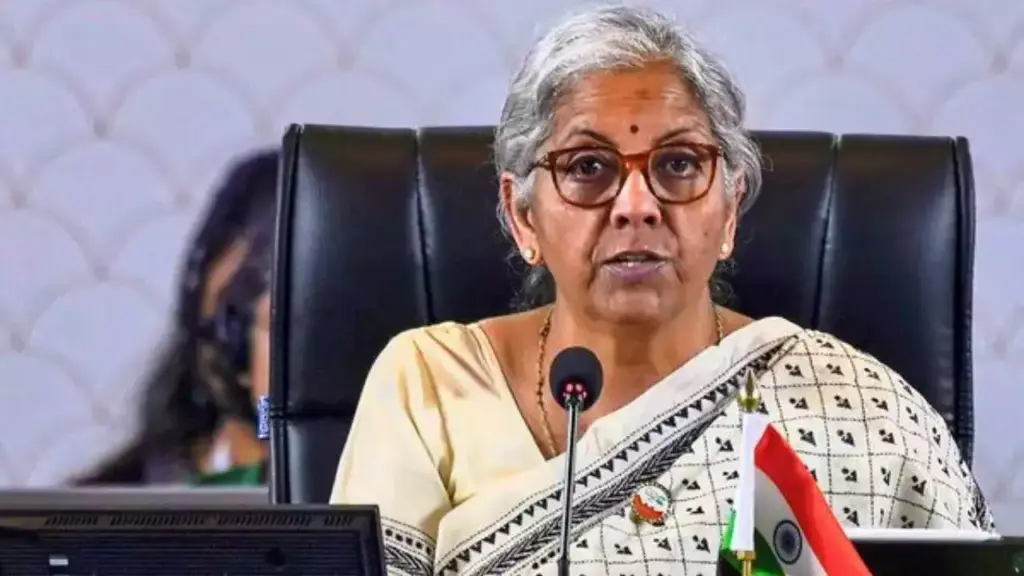
The government has tabled a bill in the Lok Sabha to amend the Payment and Settlement Systems Act, 2007, removing the blanket ban on merchant discount rate (MDR) for UPI transactions. Finance Minister Nirmala Sitharaman clarified on Thursday that no decision has been taken to impose MDR, and if introduced, it will apply only to merchants, not consumers. She said the matter will be examined by an NPCI-led steering committee after the bill is passed. The amendment is an enabling provision that gives the Reserve Bank of India the legal authority to permit MDR in future through a government notification. Currently, MDR is explicitly prohibited on UPI and RuPay transactions, with the cost of infrastructure and security borne entirely by banks and payment firms. Industry participants expect that if MDR is reintroduced, it will likely be limited to large merchants and transactions above a certain value.
The Indian Opinion
The Congress charge that ordinary Indians will pay for MDR is a stretch, the amendment explicitly shields consumers. But the narrative that UPI must remain cost-free ignores the ₹5,300 crore loss the payments industry posted in FY25. Someone has to pay for infrastructure and security. If MDR is eventually restricted to large merchants and big-ticket transactions, as industry insiders expect, the ecosystem could become sustainable without burdening small vendors or users. The real test will be the NPCI committee’s final recommendations, watch for the merchant-size and transaction-value thresholds they propose.
Sources (2): livemint.com, timesnownews.com
This story was synthesised by AI from the 2 sources linked above.
Updated: this story now draws on 2 sources.