










Now Reading: New UPI MDR fee on payments above Rs 2,000 from October 15
-
01
New UPI MDR fee on payments above Rs 2,000 from October 15


The National Payments Corporation of India will introduce a 0.4% Merchant Discount Rate on UPI person-to-merchant transactions above Rs 2,000 from October 15, 2026, with a cap of Rs 300 on payments…
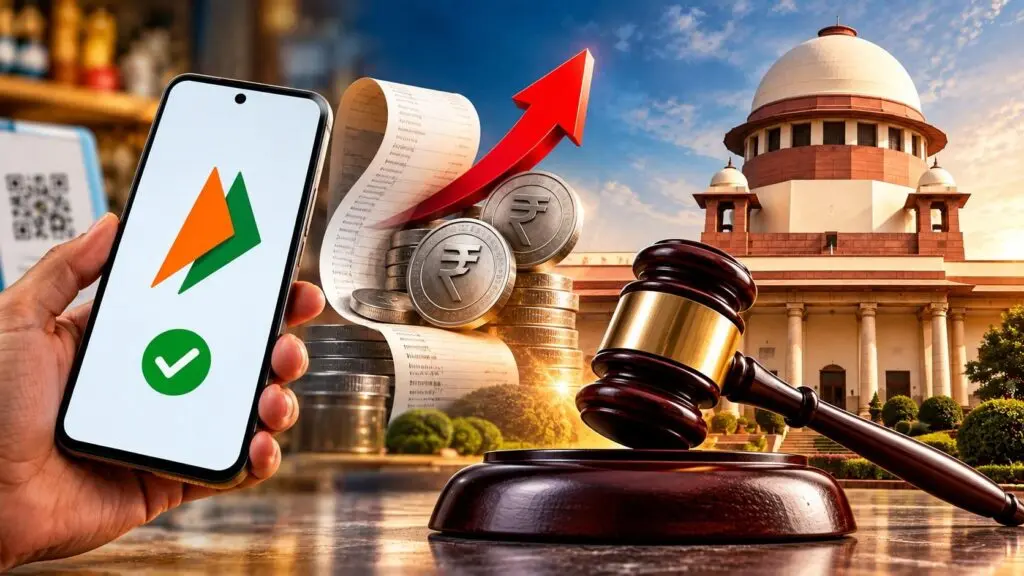
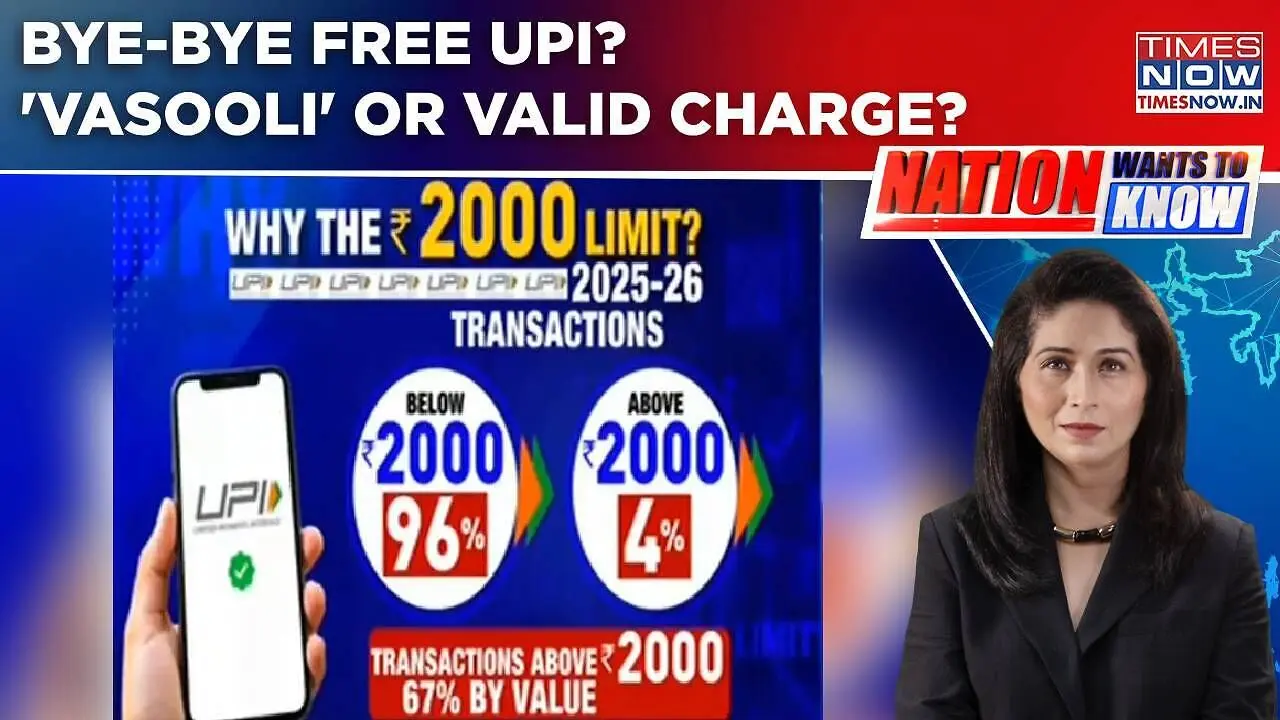
The National Payments Corporation of India will introduce a 0.4% Merchant Discount Rate on UPI person-to-merchant transactions above Rs 2,000 from October 15, 2026, with a cap of Rs 300 on payments of Rs 75,000 or more. The Ministry of Finance has banned merchants from passing the charge to consumers, and UPI apps cannot levy platform fees, Inc42 and Mathrubhumi report.
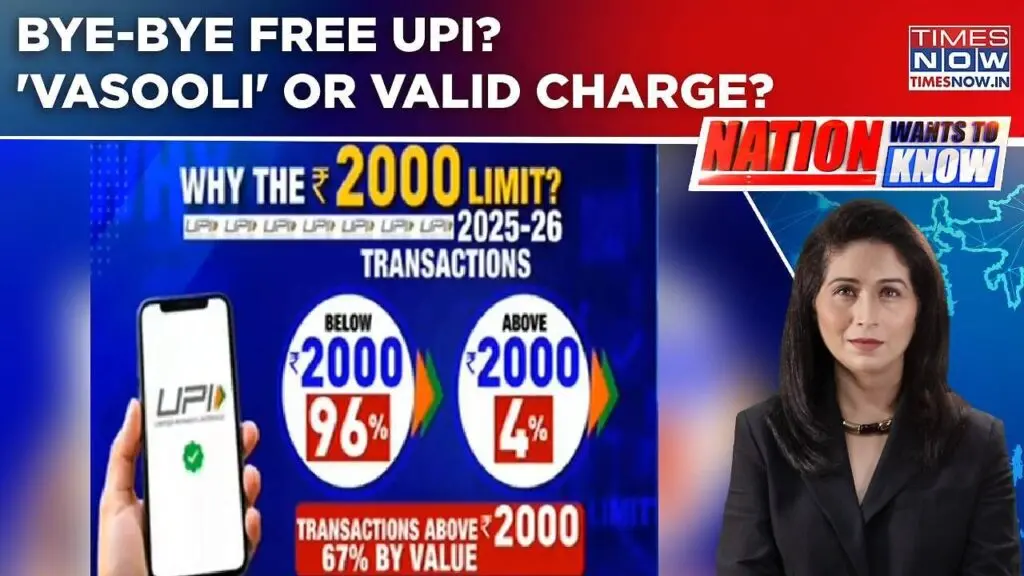
BJP spokesperson Sanju Verma defended the move, noting that 96% of UPI transactions are below Rs 2,000 and remain free, while Congress spokesperson Brijesh Kalappa called the levy counterproductive to digital adoption. Economist Deepanshu Mohan warned it functions as an indirect consumption tax, as per India Today. Small merchants receiving up to Rs 1 lakh monthly under the P2PM category will continue to have zero MDR.
Indian Opinion Analysis
The five sources are near-uniform in factual reporting, with only Times Now adopting a sensationalist 'vasooli' frame that suggests consumer harm. The neutral outlets uniformly stress that 96% of transactions are exempt, small merchants are protected, and the fee is merchant-side only. The critical view from Congress and the economist is reported as debate, not adopted as editorial stance. The effective test is adoption: whether the fee structure, by raising merchant costs on larger payments, slows the migration from cash for mid-value retail. NPCI data on transaction patterns after October 15 will show the real impact.
All five sources are consistent in factual reporting, with only Times Now adopting a sensationalist 'vasooli' frame. The neutral outlets stress that 96% of transactions are exempt, small merchants are protected, and the fee is merchant-side only.
Coverage: 5 sources, 4 neutral, 1 sensationalist
Sources (5): timesnownews.com (sensationalist), indiatoday.in (neutral report), indiatoday.in (2) (neutral report), inc42.com (neutral report), english.mathrubhumi.com (neutral report)
This brief was synthesised by AI from the 5 sources linked above, so one read covers every framing they carry.
Updated: this story now draws on 5 sources.