
















Now Reading: Scindia calls Vande Mataram opponents anti-national as law draws scrutiny
-
01
Scindia calls Vande Mataram opponents anti-national as law draws scrutiny

Scindia calls Vande Mataram opponents anti-national as law draws scrutiny

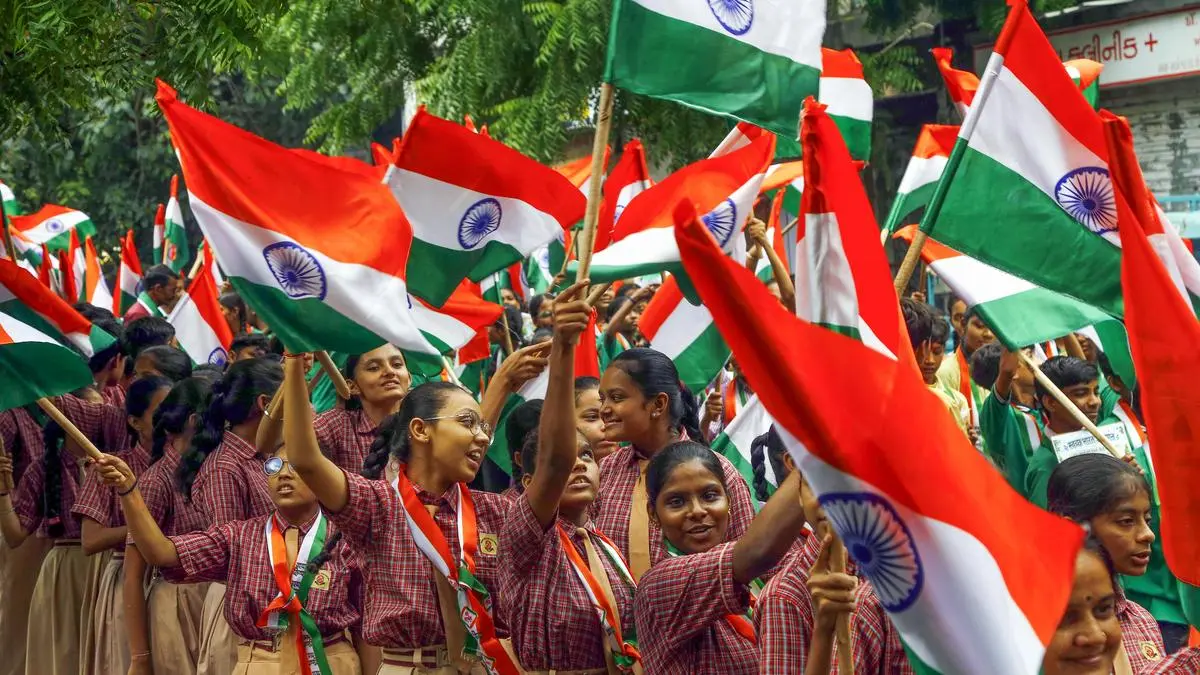
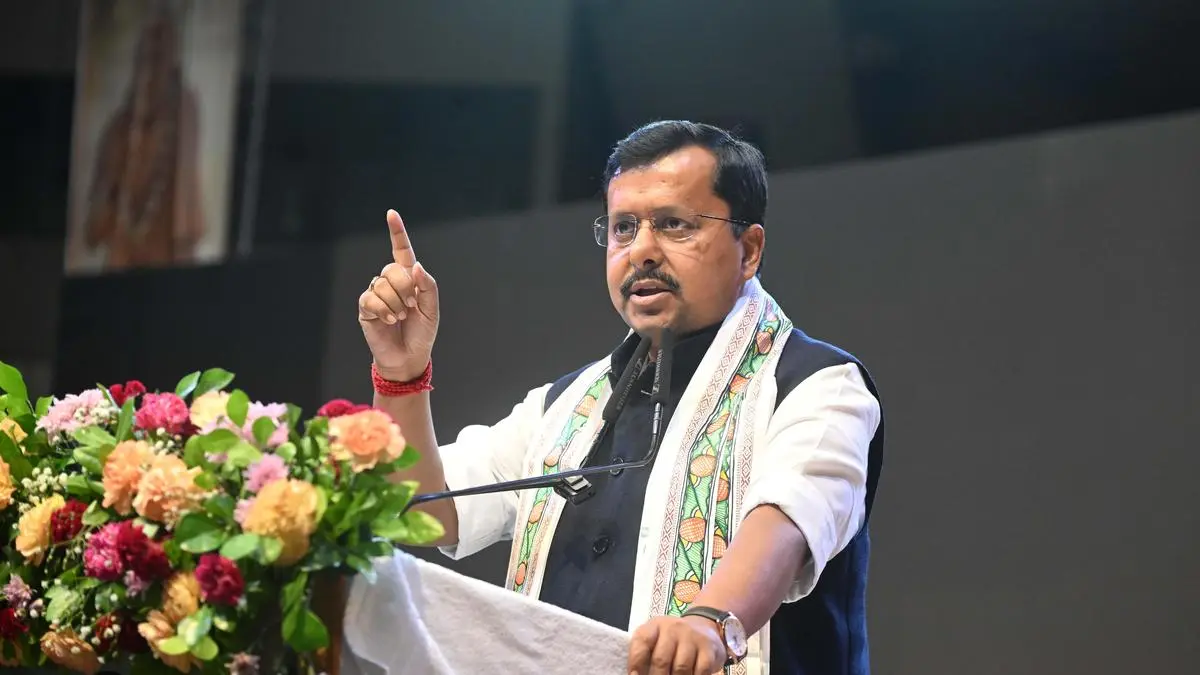
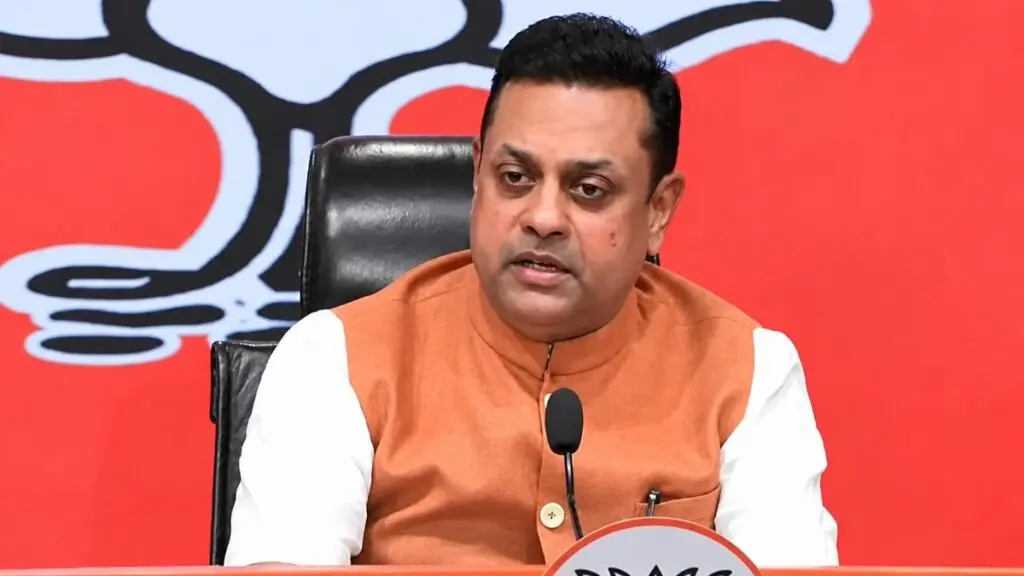
Union minister Jyotiraditya Scindia said in Indore that anyone opposing Vande Mataram should be considered anti-national. He was responding to the Congress decision to sing only its first two stanzas at party events, following the party’s 1937 resolution. The BJP had accused Congress leaders of insulting the national song by not singing its full version.
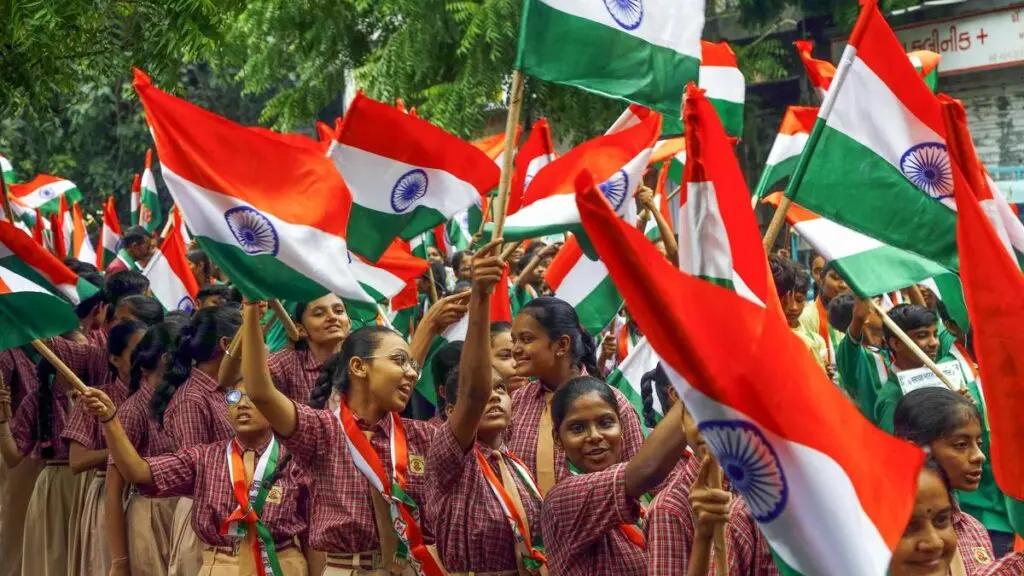
The Hindu reports that Parliament’s 2026 amendment to the Prevention of Insults to National Honour Act gives Vande Mataram the same criminal-law protection as the national anthem. The amended provision punishes intentionally preventing either song from being sung or disturbing an assembly singing it, with imprisonment of up to three years, a fine, or both. The newspaper says the law does not require participation, prescribe stanzas, or mandate the full six-stanza version. The Bill cleared both Houses on July 29 and 30 before receiving Presidential assent.
Indian Opinion Analysis
The two accounts frame the issue differently. Economic Times leads with a minister’s anti-national label and the political dispute over Congress’s choice. The Hindu instead examines the amendment’s wording, its limited offence and the Constituent Assembly’s earlier accommodation of objections to later devotional stanzas. Scindia’s formulation treats opposition to the song as a national-loyalty test, while the legal account separates disruption of a performance from refusal to participate. The practical boundary now depends on how authorities interpret intentional prevention or disturbance under the amended Section 3, rather than on whether citizens sing all six stanzas. The amendment’s operation and any prosecutions will show how that boundary is applied.
Coverage: 2 sources, 1 government-critical, 1 neutral
Sources (2): thehindu.com (government critical), economictimes.indiatimes.com (neutral report)
This brief was synthesised by AI from the 2 sources linked above, so one read covers every framing they carry. Methodology and corrections.
Updated: this story now draws on 2 sources.