














Now Reading: 1830s volcano eruptions linked to Agra, Madras famines
-
01
1830s volcano eruptions linked to Agra, Madras famines


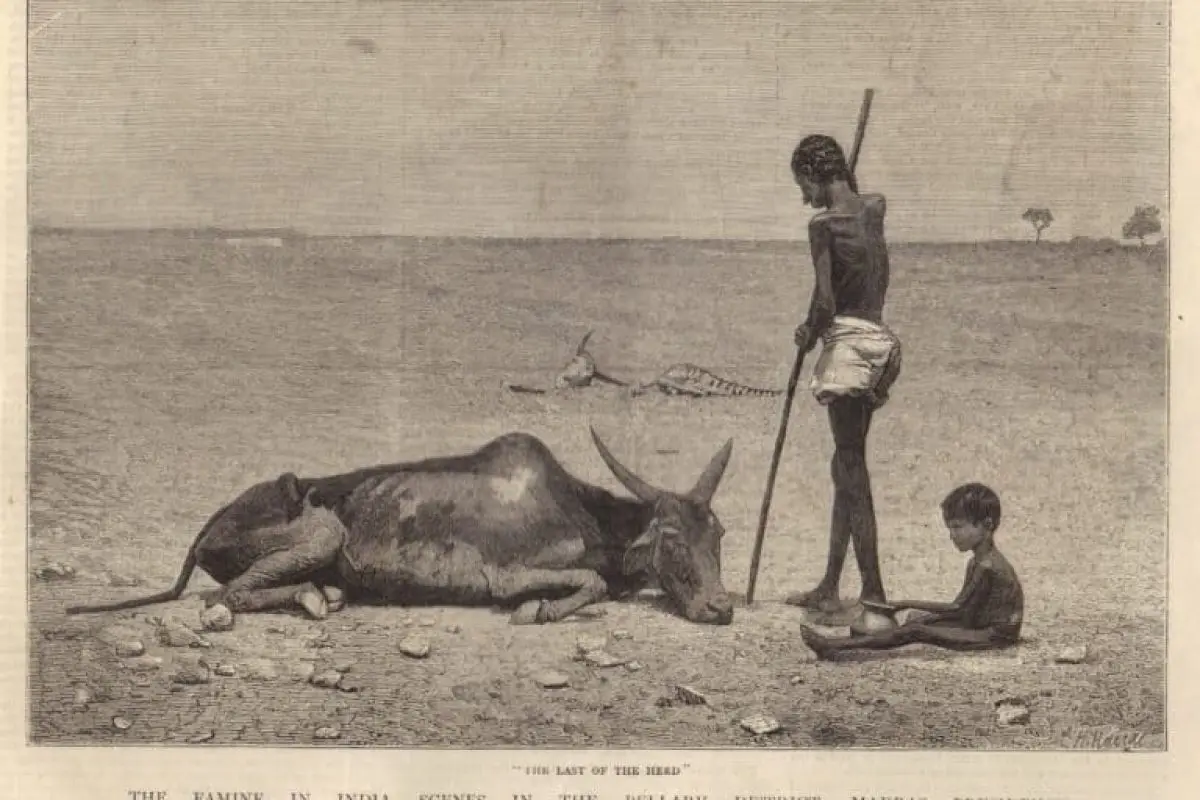
A study in the Journal of Historical Geography links two volcanic eruptions in the 1830s, one in Japan (1831) and one in Nicaragua (1835), to the Agra and Madras famines that killed…
The Story in Brief
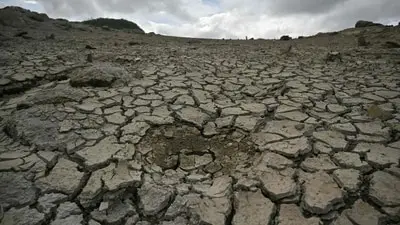
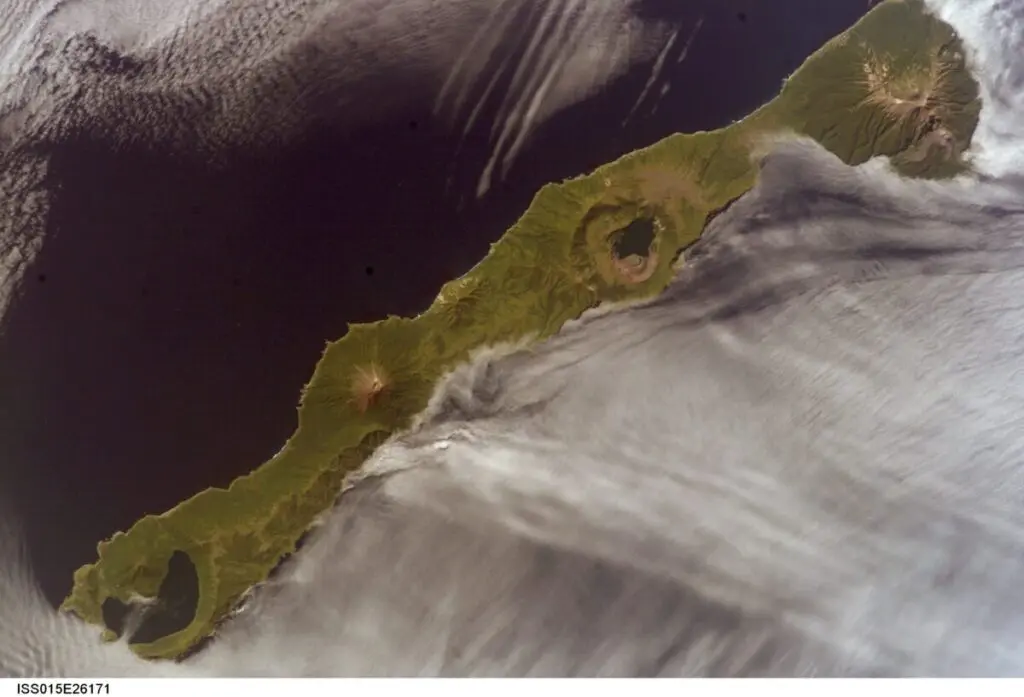
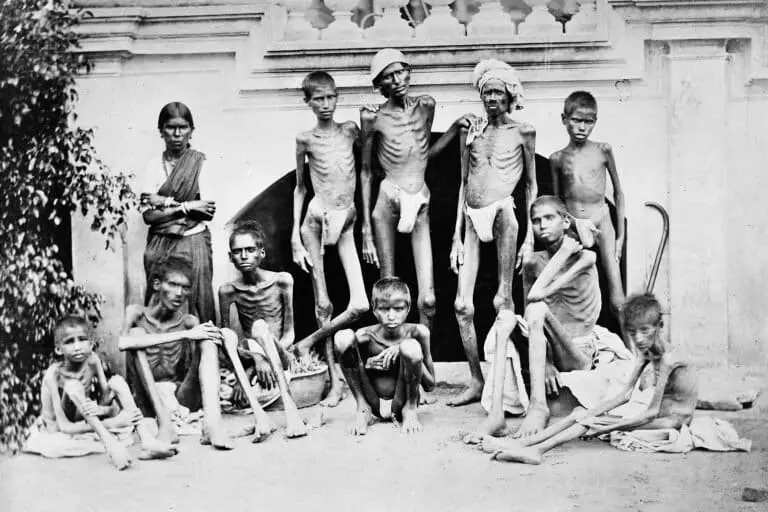
A study in the Journal of Historical Geography links two volcanic eruptions in the 1830s, one in Japan (1831) and one in Nicaragua (1835), to the Agra and Madras famines that killed over nine lakh people. The eruptions cooled the planet, weakening the monsoon, while El Niño in 1833 worsened the drought. But the study also finds that decades of colonial over-taxation and environmental degradation turned the drought into a famine, reports india.mongabay.com. Author Richard Warren used historical weather data and climate models to establish the connection.
The Indian Opinion
The study refuses a simple climate-only explanation. Too often famines are blamed solely on nature or solely on colonial cruelty. Here, both mattered: eruptions triggered drought, but colonial policies turned it lethal. As geoengineering discussions grow, the lesson is clear, technical fixes can backfire if governance is rotten. The test will be whether future climate interventions account for local economic realities.
Source: india.mongabay.com
This story was synthesised by AI from the source linked above.