






















Now Reading: 21 snow leopards identified in Kishtwar park, breeding confirmed
-
01
21 snow leopards identified in Kishtwar park, breeding confirmed


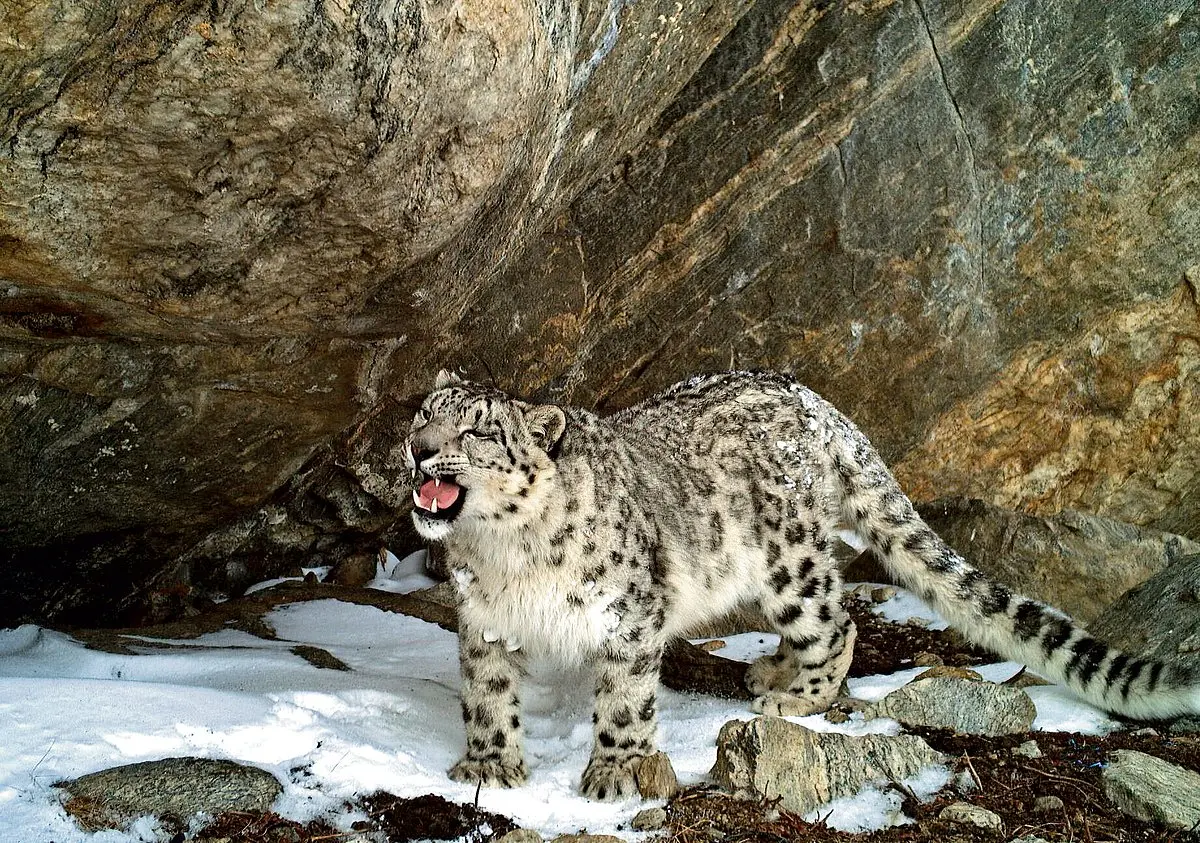
A joint study by the Jammu and Kashmir Department of Wildlife Protection and the National Conservation Foundation (NCF) has recorded 21 individual snow leopards in the Kishtwar High Altitude National Park (KHANP)…
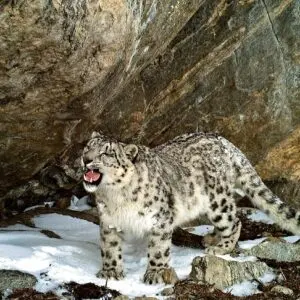
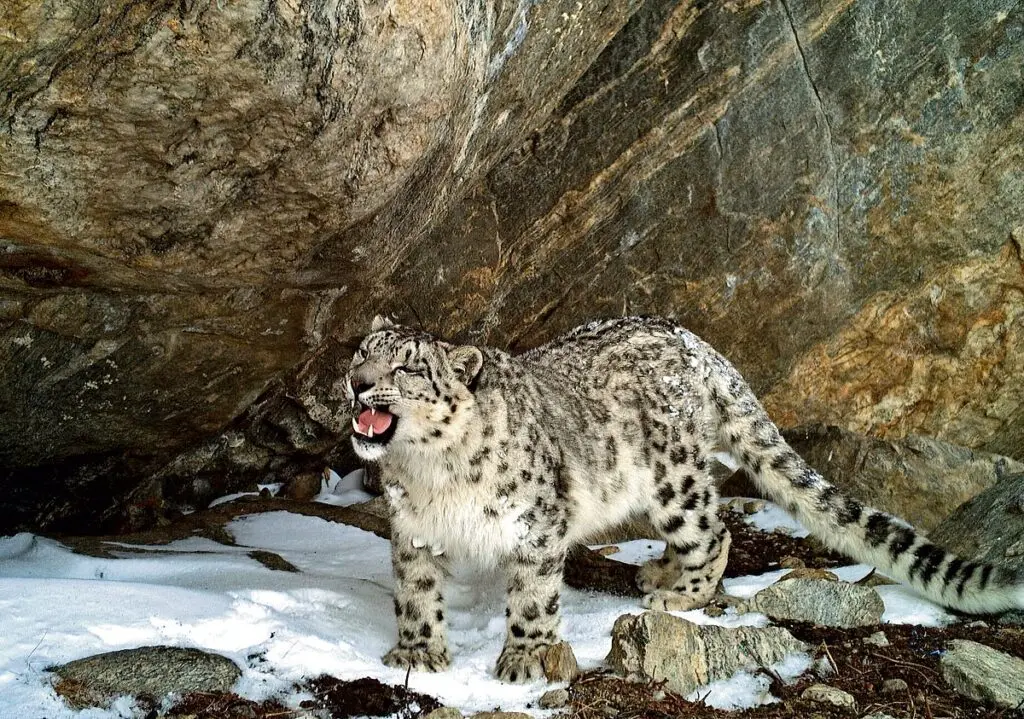
A joint study by the Jammu and Kashmir Department of Wildlife Protection and the National Conservation Foundation (NCF) has recorded 21 individual snow leopards in the Kishtwar High Altitude National Park (KHANP) using camera traps and the Spatially Explicit Capture-Recapture model. The density was estimated at 0.35 individuals per 100 sq km, or about eight adults. Cameras also captured females with cubs, confirming a breeding population.
Across six landscapes in the Greater Himalayas, 193 camera traps were deployed. The study documented other species including Asiatic ibex, musk deer, Himalayan wolf, brown and black bears, and the first confirmed presence of the endangered woolly flying squirrel and wild boar in KHANP. Based on four years of fieldwork, researchers reported human-wildlife conflicts in 76 villages and stressed the need for conservation beyond protected areas.
The report, Status of Snow Leopards and Other High-Altitude Mammals in Jammu and Kashmir with a Focus on Kishtwar Himalayas, was released in August and last updated in June 2026. Preliminary findings from ongoing work in Paddar have confirmed snow leopard presence in multiple valleys including Hagyot and Barnaz. Researchers said sustained monitoring and community-led conservation are essential for the species' future in the region.
Indian Opinion Analysis
The study addresses a long-standing gap in snow leopard research, which has historically focused on the trans-Himalayan rain-shadow zone rather than the Greater Himalayas. The J&K government's Department of Wildlife Protection has not released a comprehensive snow leopard census for this terrain before, making the 0.35 per 100 sq km density a critical baseline. With 76 villages reporting conflict, the real test will be whether community-led programmes, such as livestock insurance or predator-proof corrals, can scale up to cover these remote areas. The next signal to watch is the department's winter 2026 monitoring report from Paddar, which will indicate if the population is stable or expanding beyond the six identified landscapes.
Source: newindianexpress.com
This brief was synthesised by AI from the source linked above.