

Now Reading: Adani executive: Mining future hinges on human capital, not machines
-
01
Adani executive: Mining future hinges on human capital, not machines

Adani executive: Mining future hinges on human capital, not machines

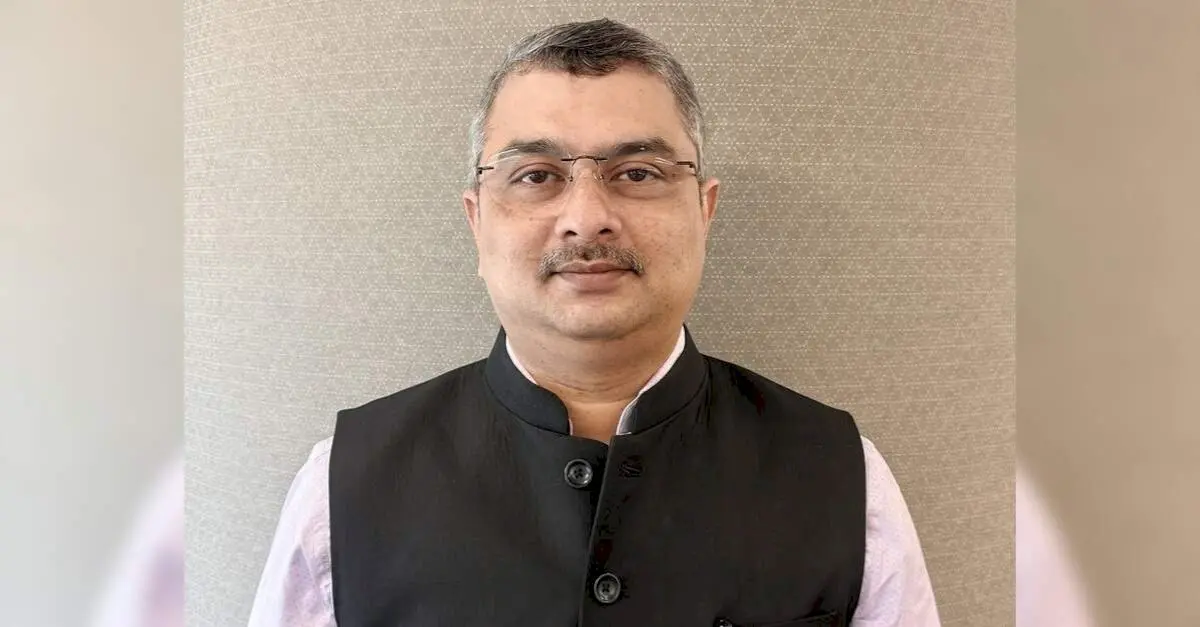
Mining is shifting from a machine-driven industry to one where human capital decides success, according to an opinion piece by Vaibhav Alshi, chief people officer at Adani Group, published by the Economic…
The Story in Brief
Mining is shifting from a machine-driven industry to one where human capital decides success, according to an opinion piece by Vaibhav Alshi, chief people officer at Adani Group, published by the Economic Times. He writes that Mining 2.0 relies on AI, autonomous vehicles, and remote operations centres, but technology alone is not enough. Outdated regulatory frameworks designed for manual mining must be updated, and traditional roles such as timekeeper should evolve into digital specialists using biometric attendance and fatigue monitoring.

Alshi argues that HR leaders must drive workforce transformation through reskilling, hyperlocal upskilling, and collaboration with policymakers. Underground mining can become safer via telemetry and automation, moving workers to control centres. The article says companies need to rethink social licence by empowering local communities and developing local talent.
The Indian Opinion
The piece risks being read as corporate self-promotion by Adani Group, especially when it argues that the same company’s HR policies are the answer to mining’s challenges. Critics might also claim automation will destroy jobs, but the article rightly stresses reskilling rather than replacement. The real test is whether outdated mining and labour laws actually get revised, and whether companies like Adani will publish numbers on how many workers have been successfully moved from underground to control centres.
Source: hr.economictimes.indiatimes.com
This story was synthesised by AI from the source linked above.