















Now Reading: Air India flight hit by hydraulic failures before altitude drop, probe finds
-
01
Air India flight hit by hydraulic failures before altitude drop, probe finds

Air India flight hit by hydraulic failures before altitude drop, probe finds

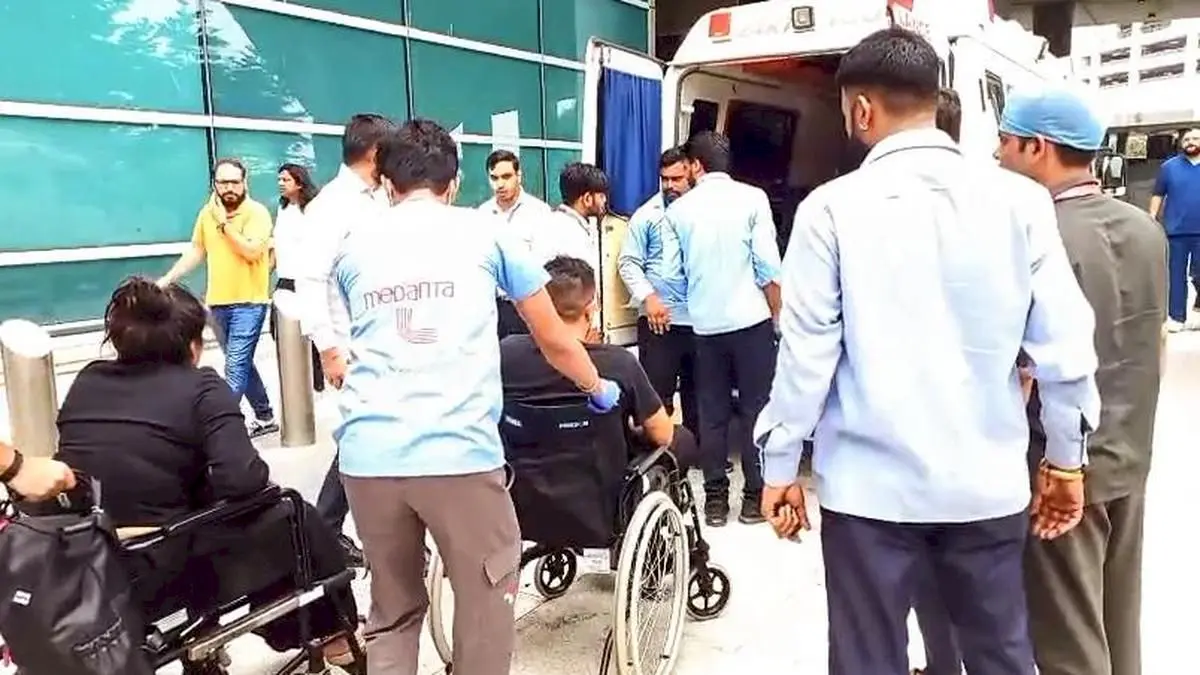
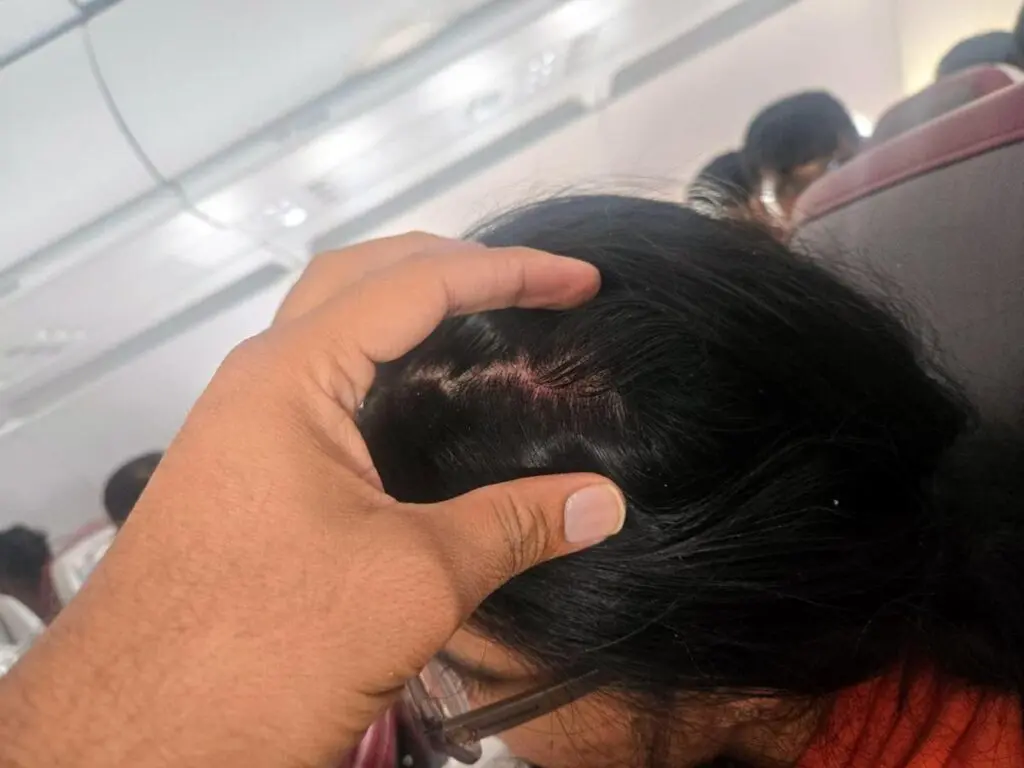
Air India flight AI 2379 from Phuket to Delhi, which dropped 300 feet and injured 17 people on August 4, suffered a cascade of failures across all three hydraulic and flight-control systems…
The Story in Brief
Air India flight AI 2379 from Phuket to Delhi, which dropped 300 feet and injured 17 people on August 4, suffered a cascade of failures across all three hydraulic and flight-control systems before the loss of altitude, The Hindu reports. The aircraft's post-flight maintenance log shows nine fault messages within one minute. One pilot took manual control after a stall warning, and may have applied significant control input that caused the sudden drop.
Separately, two passengers have told India Today that one pilot appeared intoxicated, with one saying his 'gait didn't look right'. The pilot-in-command's post-flight psychoactive substance screening was declared 'non-negative' and sent for confirmatory testing. The pilots' body ALPA India has warned that common over-the-counter medications can trigger false positives and urged the DGCA to keep test results confidential until the investigation is complete.
The Indian Opinion
The simultaneous failure of three hydraulic systems on an A320 is so rare that it deserves a thorough, transparent investigation, not the quick 'turbulence' label the airline initially gave. While the pilot's stimulant test is a serious matter, the pilots' body raises a valid point: a preliminary 'non-negative' screening is not a conviction, and leaking names before confirmatory tests destroys careers on suspicion. The key test will be whether the AAIB's final report connects the flight-control failures to the pilot's actions, and whether the confirmatory dope-test result is ever made public with due process.
Sources (3): thehindu.com, indiatoday.in, hindustantimes.com
This story was synthesised by AI from the 3 sources linked above.
Updated: this story now draws on 3 sources.