






















Now Reading: Allahabad HC: State can’t ignore pay parity clause in central scheme
-
01
Allahabad HC: State can’t ignore pay parity clause in central scheme


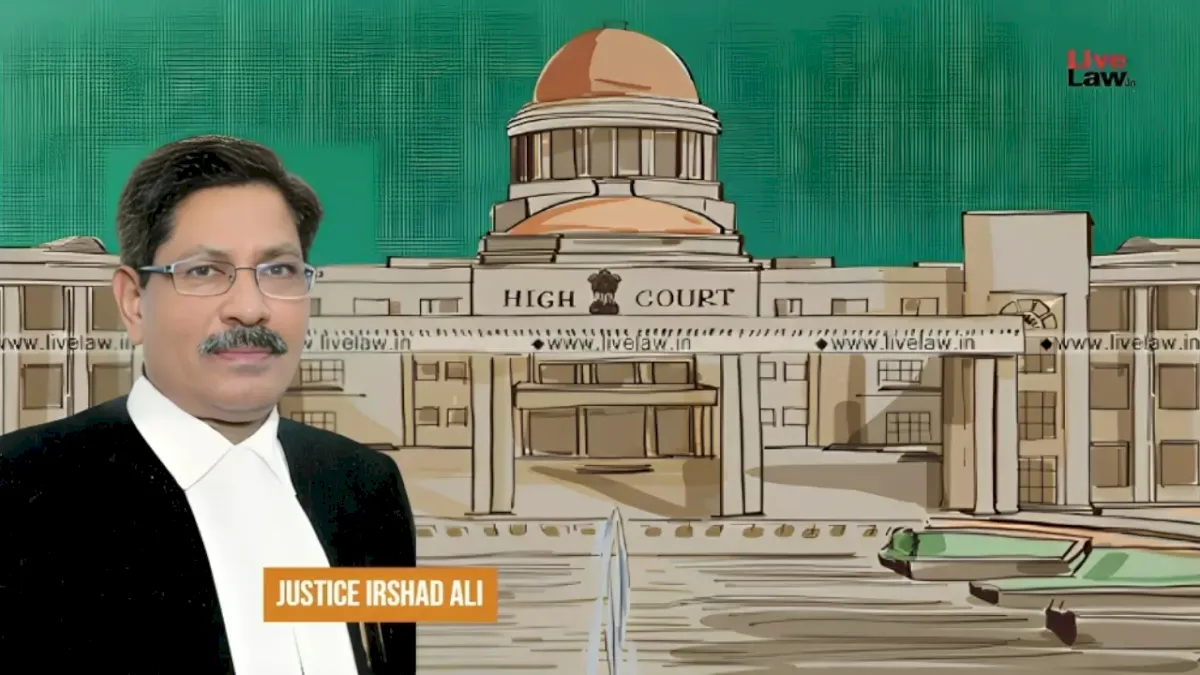
The Allahabad High Court has ruled that a state which adopts a Centrally Sponsored Scheme and recruits employees to implement it cannot selectively enforce only convenient parts while ignoring clauses that benefit those employees. Justice Irshad Ali held that denying pay parity to Special Teachers merely because their appointments were described as contractual is arbitrary and violates Articles 14 and 16 of the Constitution.
The case involved 24 petitioners working as Special Teachers under the Integrated Education for Disabled Children (IEDC) Scheme. Clause 12.3 of the scheme requires that these teachers receive the same pay scales as corresponding category teachers in the state, plus special pay. The petitioners, initially on a consolidated honorarium of Rs 6,000 per month, sought regular pay scales, increments, pension, and other benefits.
The court observed that the state's engagement of the teachers was not casual but perennial, and the state could not defeat the legitimate expectation created by the scheme. It found the Gujarat High Court's judgment in a similar matter persuasive. The state's plea that appointments were contractual was rejected, with the court stating that the state must act as a model employer.
Source: livelaw.in
This story was synthesised by AI from the source linked above. Methodology and corrections.