














Now Reading: Morocco Cave Remains Reveal Plant-Rich Diet Before Agriculture
-
01
Morocco Cave Remains Reveal Plant-Rich Diet Before Agriculture



A study of 15,000-year-old human remains from Taforalt Cave in northeastern Morocco found that wild plants supplied a substantial share of people’s nutrition before farming. Researchers examined seven skeletons and several isolated…
The Story in Brief
A study of 15,000-year-old human remains from Taforalt Cave in northeastern Morocco found that wild plants supplied a substantial share of people’s nutrition before farming. Researchers examined seven skeletons and several isolated teeth, using chemical signatures in bones and teeth to reconstruct diets. Archaeological evidence includes sweet acorns, pine nuts, pistachios, oats and pulses, alongside hunted animals such as Barbary sheep. The findings, published in Nature Ecology & Evolution and reported by Reuters, challenge the popular image of hunter-gatherers as mainly meat-eaters.

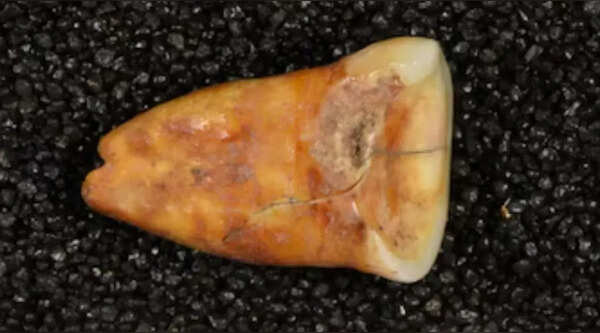
The researchers believe these communities gathered plants as they matured, stored them and possibly stayed at the cave for longer periods. Tooth cavities point to regular consumption of starchy foods. Evidence from two infants suggests solid foods began at about 12 months. The group collected wild foods, rather than cultivating crops, and showed little reliance on fish or other aquatic resources.
The Indian Opinion
The lazy story that prehistoric people were chiefly meat-eaters, often borrowed by modern diet fads, does not fit this evidence. But the opposite claim would also be too broad: one Moroccan community cannot represent every hunter-gatherer society. The study offers a useful correction, not a new diet prescription. Future findings from other regions, especially clearer evidence of seasonal food storage and plant consumption, will show how widely this pattern travelled.
Source: timesofindia.indiatimes.com
This story was synthesised by AI from the source linked above.