














Now Reading: Centre Opposes Income-Based Sub-Quota in SC, ST, OBC Reservations
-
01
Centre Opposes Income-Based Sub-Quota in SC, ST, OBC Reservations


The Union government has told the Supreme Court it will not tweak caste-based reservation rules to favour the economically weaker among SC, ST, OBC and EWS groups. In a counter-affidavit filed in…
The Story in Brief
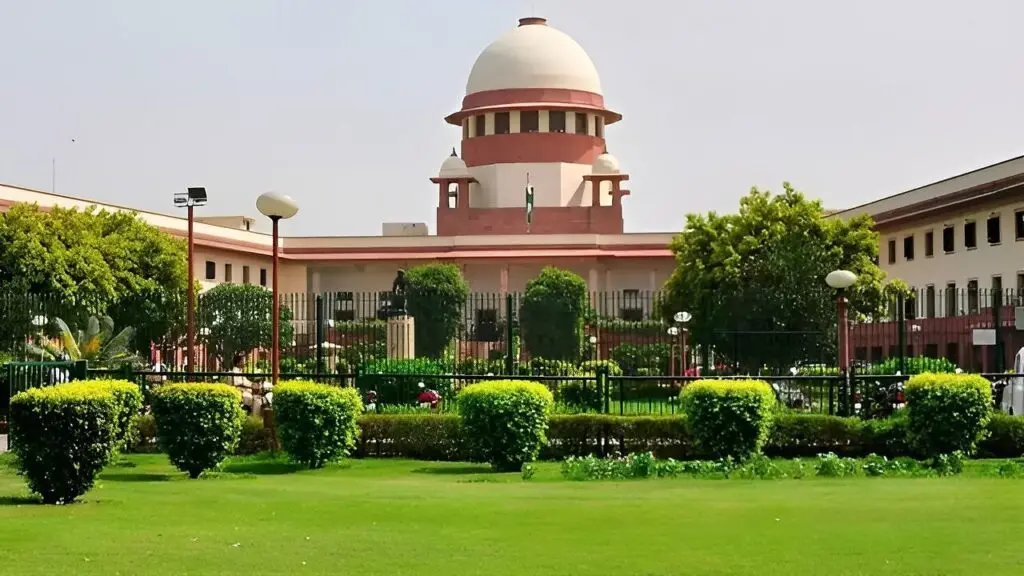
The Union government has told the Supreme Court it will not tweak caste-based reservation rules to favour the economically weaker among SC, ST, OBC and EWS groups. In a counter-affidavit filed in the case Ramashankar Prajapati vs Union of India, the Centre dismissed the petition as "misconceived" and argued it seeks to direct executive policy through courts, LiveLaw reported.
The government said reservation lists rest on historical, social and educational backwardness, not economic status alone. Scheduled Castes face the historical disadvantage of untouchability; Scheduled Tribes show distinct cultures and geographical isolation. Only Parliament can amend these lists under Articles 341, 342 and 342A. The Centre also clarified that the "creamy layer" principle applies only to OBCs, not SCs or STs. It urged the court to dismiss the plea and impose costs.
The Indian Opinion
This case exposes a lazy binary: those who call any demand for economic sub-quota anti-Dalit, and those who brand all caste reservation as vote-bank politics. The government's own stand, that creamy layer logic stops at OBCs, invites a hard question. If a wealthy SC family's child keeps an advantage, how is that different from the OBC case the court already settled? Watch whether the court pushes the Centre for the socio-economic data it says it lacks. That data, not slogans, will decide if a poor Dalit gets a fairer shot.
Source: livemint.com
This story was synthesised by AI from the source linked above.