













Now Reading: China’s drug race slows as lab monkey prices surge
-
01
China’s drug race slows as lab monkey prices surge


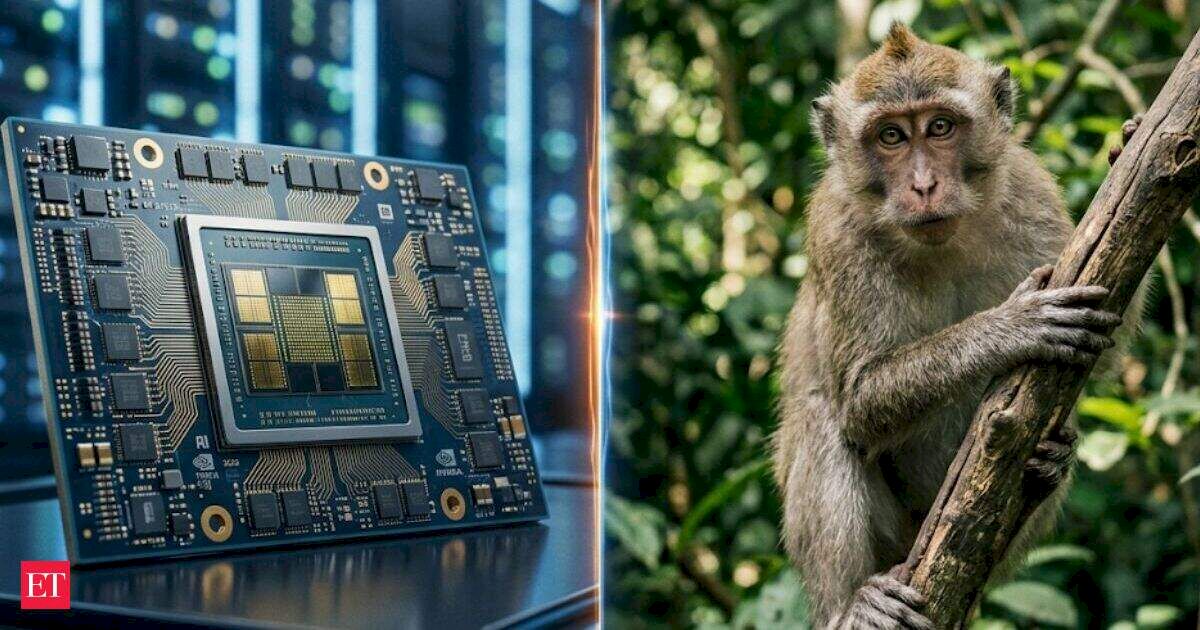
China’s fast-growing pharmaceutical industry is facing a shortage of lab monkeys, pushing the price of a cynomolgus macaque to 178,000 yuan, about Rs 22 lakh, in June 2026. The price has more…
The Story in Brief
China’s fast-growing pharmaceutical industry is facing a shortage of lab monkeys, pushing the price of a cynomolgus macaque to 178,000 yuan, about Rs 22 lakh, in June 2026. The price has more than tenfold since 2018, according to the Times of India. Demand has risen as China accounts for about a third of the global innovative drug pipeline and leads clinical trial activity. Newer treatments, including antibody-drug conjugates, bispecific antibodies and in vivo CAR-T therapies, can require dozens to 100 animals for safety testing.
Consultant Harri Jarvelainen told the Times of India that study planning now takes an extra four months on average, and up to 10 months in difficult cases. Chinese rules require test monkeys to be at least three years old, limiting any quick supply response. Zheshang Securities estimates an annual shortfall of 15,000 to 20,000 animals from 2026 to 2028. Imports from Cambodia may cover part of the gap.
The Indian Opinion
The easy story is that China’s biotech surge has hit a wall, or that breeding farms are profiteering from a manufactured crisis. The facts point to a tighter picture: demand is expanding across many drug categories, while age rules make supply slow to adjust. Companies with their own breeding operations may gain, but higher prices and delays will test the sector’s claimed speed. The clearest measure is whether the projected annual shortfall reaches 15,000 to 20,000 animals through 2028.
Source: economictimes.indiatimes.com
This story was synthesised by AI from the source linked above.