














Now Reading: Delhi HC stays FSSAI ban on Dabur’s ‘100%’ product claims
-
01
Delhi HC stays FSSAI ban on Dabur’s ‘100%’ product claims



The Delhi High Court on Friday stayed a Food Safety and Standards Authority of India (FSSAI) order that barred Dabur India from using '100%' claims on products like honey, ghee, and edible…
The Story in Brief
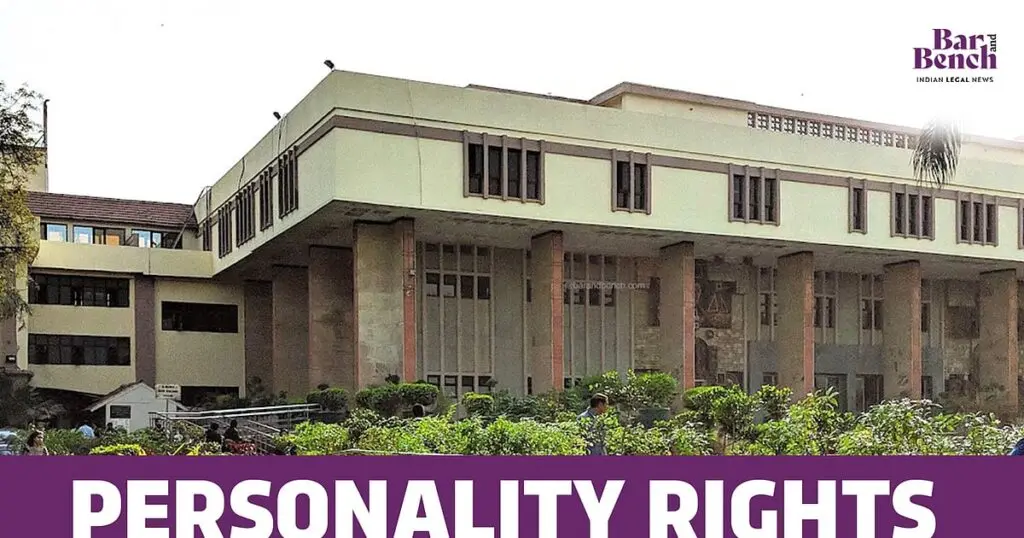
The Delhi High Court on Friday stayed a Food Safety and Standards Authority of India (FSSAI) order that barred Dabur India from using '100%' claims on products like honey, ghee, and edible oils. Justice Amit Mahajan ruled the prohibition order was passed without giving the company a hearing, violating natural justice. He granted interim relief until the next hearing in two weeks.

Dabur's counsel argued the FSSAI order lacked a show-cause notice. The regulator countered that Dabur had received earlier improvement notices and that '100% Pure' and '100% Natural' labels were misleading. Dabur, which had already removed such claims from packaging after the August 3 order, challenged the directive in court. The case is part of broader FSSAI scrutiny of FMCG labelling practices.
The Indian Opinion
This case highlights a recurring tussle between regulators and companies over marketing claims. The initial narrative of a corporate giant flouting rules oversimplifies matters; Dabur's decades of selling these products under the same labels suggest a genuine regulatory grey area. Consumers benefit from clear standards, but so does industry certainty from a predictable enforcement process. The real test will be whether FSSAI's final order provides specific, science-backed criteria for terms like 'pure' and 'natural' to guide all food companies equitably.
Sources (3): newindianexpress.com, retail.economictimes.indiatimes.com, timesofindia.indiatimes.com
This story was synthesised by AI from the 3 sources linked above.
Updated: this story now draws on 3 sources.