Now Reading: DRDO revives Kaveri engine for Tejas, tests rotating detonation engine
-
01
DRDO revives Kaveri engine for Tejas, tests rotating detonation engine


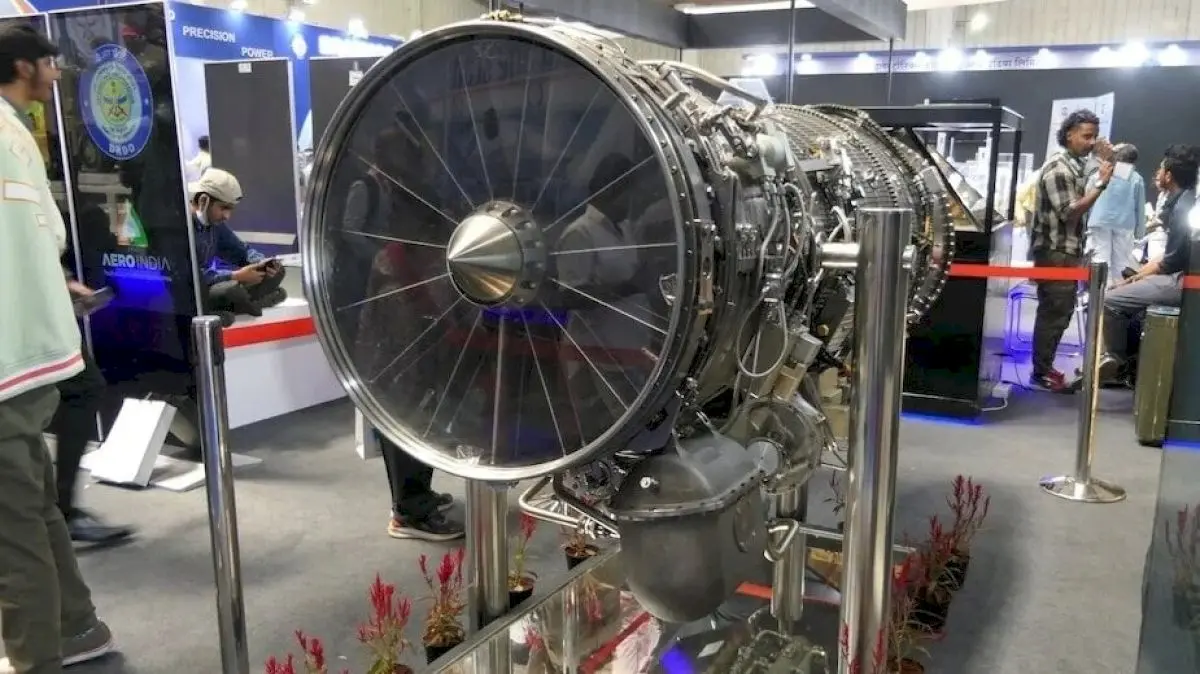
The Defence Research and Development Organisation (DRDO) is overhauling the Kaveri 2.0 jet engine to achieve 90 kN of thrust, aiming to replace imported GE F404 engines on the Tejas Mk1A by…
The Story in Brief
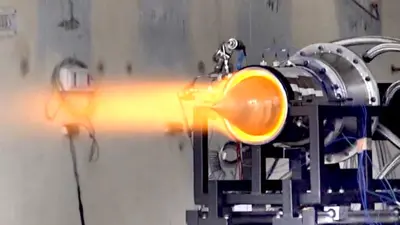
The Defence Research and Development Organisation (DRDO) is overhauling the Kaveri 2.0 jet engine to achieve 90 kN of thrust, aiming to replace imported GE F404 engines on the Tejas Mk1A by the 2030s mid-life upgrade cycle. The redesign focuses on advanced single-crystal turbine blades and a new high-pressure compressor. Separately, private firm D-Propulse has demonstrated a 5 kN rotating detonation engine (RDE) at a certified facility, claiming 15-25% better fuel efficiency for cruise missiles and drones. The Kaveri project was originally shelved in 2008 due to performance issues.
The Indian Opinion
The DRDO's progress on the Kaveri 2.0 and the rotating detonation engine is significant, but hyperbole about 'indigenous self-reliance' must be tempered. The Kaveri has been a four-decade struggle; its rebirth as a 90kN engine still needs flight certification. The RDE is a successful lab demonstration, far from a deployable weapon. Cheering these achievements is valid, but ignoring the long road to production risks feeding lazy narratives about India instantly catching up with global powers. The real test is whether these engines survive rigorous flight tests, not just press releases.
Sources (2): businesstoday.in, timesofindia.indiatimes.com
This story was synthesised by AI from the 2 sources linked above.
Updated: this story now draws on 2 sources.