
















Now Reading: India signs Rs 294 crore deal for 60 Javelin anti-tank missiles
-
01
India signs Rs 294 crore deal for 60 Javelin anti-tank missiles


India has signed a government-to-government deal with the United States to purchase around 60 Javelin anti-tank guided missiles for the Indian Army at a cost of about Rs 294 crore, according to…
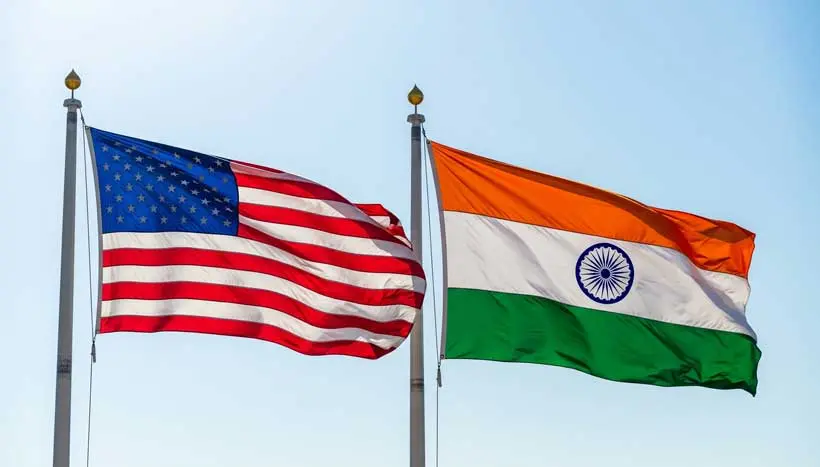
India has signed a government-to-government deal with the United States to purchase around 60 Javelin anti-tank guided missiles for the Indian Army at a cost of about Rs 294 crore, according to ThePrint and Times of India. The acquisition is being made through the sixth emergency procurement window, with deliveries expected by the end of 2026-27.
US Ambassador Sergio Gor said the agreement demonstrates American support for the Indian Army and opens the door for future co-production of the missile in India. ThePrint reports that India and the US are simultaneously working on a larger proposal for joint manufacturing of the Javelin by Bharat Dynamics Limited and the Javelin Joint Venture of Lockheed Martin and RTX. Modern Diplomacy notes that the deal comes amid broader US-India tensions over tariffs and Russian oil purchases, but defence cooperation remains resilient.
The Javelin is a fire-and-forget anti-tank system that gained battlefield prominence during the Russia-Ukraine war. It can be operated by a single soldier and is designed to engage armoured vehicles and fortified positions.
Indian Opinion Analysis
The coverage is uniform straight reporting, with all outlets leading on the same facts: the deal value, the number of missiles, the emergency procurement route, and the co-production prospect. ThePrint and Times of India add operational context by noting the emergency buy is a precursor to domestic manufacturing, while Modern Diplomacy alone flags the deal's persistence despite wider bilateral frictions. The shared emphasis on co-production suggests the strategic story is less about 60 missiles and more about whether the joint venture with BDL matures into a production line. The next concrete milestone will be the formalisation of the co-production agreement.
The tribunal hears the appeal on 12 September.
Coverage: 4 sources, 4 neutral
Sources (4): moderndiplomacy.eu (neutral report), theprint.in (neutral report), hindustantimes.com (neutral report), timesofindia.indiatimes.com (neutral report)
This brief was synthesised by AI from the 4 sources linked above, so one read covers every framing they carry.
Updated: this story now draws on 4 sources.