




















Now Reading: Indian scientists break gene-editing barrier in peas for better crops
-
01
Indian scientists break gene-editing barrier in peas for better crops


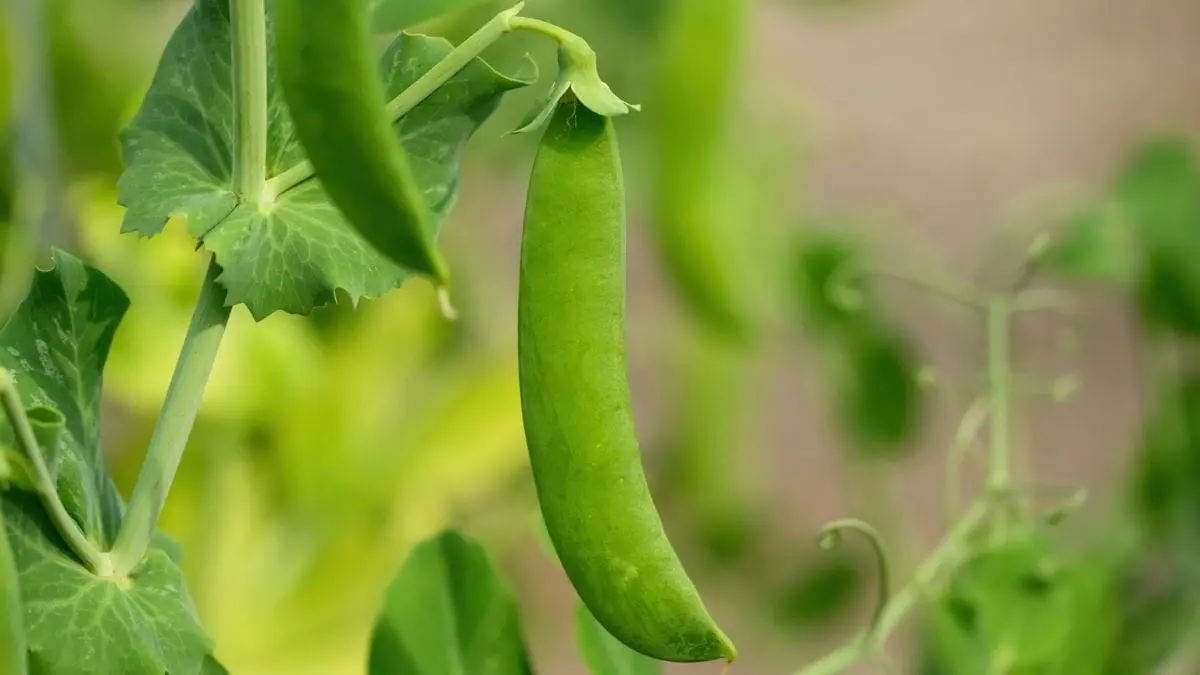
Scientists from the National Agri-Food and Biomanufacturing Institute have succeeded in performing genome editing in peas, solving a long-standing problem that made the crop difficult to modify genetically. In a paper published in Plant Cell Reports on 24 August, they showed how CRISPR-Cas9 can be delivered to edit a target gene in pea cells, and then regenerated those cells into whole plants. The work overcomes peas' resistance to tissue culture, which has held back legume research compared with rice or wheat.
The team tested three types of tissue and found that the dicotyledonary node produced 100 per cent shoot-bud induction with an average of nearly 40 shoots per explant. They used the bacterium Agrobacterium tumefaciens to transfer the editing machinery and achieved transformation efficiencies between 23 per cent and 90 per cent across 10 pea varieties. The paper states that this establishes a process for easier genome editing in peas, not a commercial variety.
A senior scientist at the Department of Science and Technology said the lag in pea genome editing was due to the difficulty of regenerating whole plants from transformed cells. The method can now be refined for trait improvement. Genome-edited rice varieties were released in India in May last year.
Indian Opinion Analysis
The hurdle that Indian scientists have now cleared is the reason pulses such as pea, chickpea and pigeonpea have lagged behind cereals and oilseeds in genetic improvement. Unlike rice or wheat, where tissue culture protocols have been standard for decades, legume cells resist regeneration, so even a precise edit is useless if a full plant cannot be grown from the edited cell. The breakthrough is procedural: identifying the dicotyledonary node as the best tissue to start with, and optimising the hormone mix and bacterial delivery. That protocol can now be applied across pea varieties and potentially to other recalcitrant legumes. With genome-edited rice already released in India in 2024, the next regulatory frontier is whether edited pulses will follow the same streamlined route, avoiding the longer GM clearance process because no foreign DNA is introduced.
Source: theprint.in
This brief was synthesised by AI from the source linked above. Methodology and corrections.