















Now Reading: India’s AI scale risks verification crisis, mathematicians warn
-
01
India’s AI scale risks verification crisis, mathematicians warn


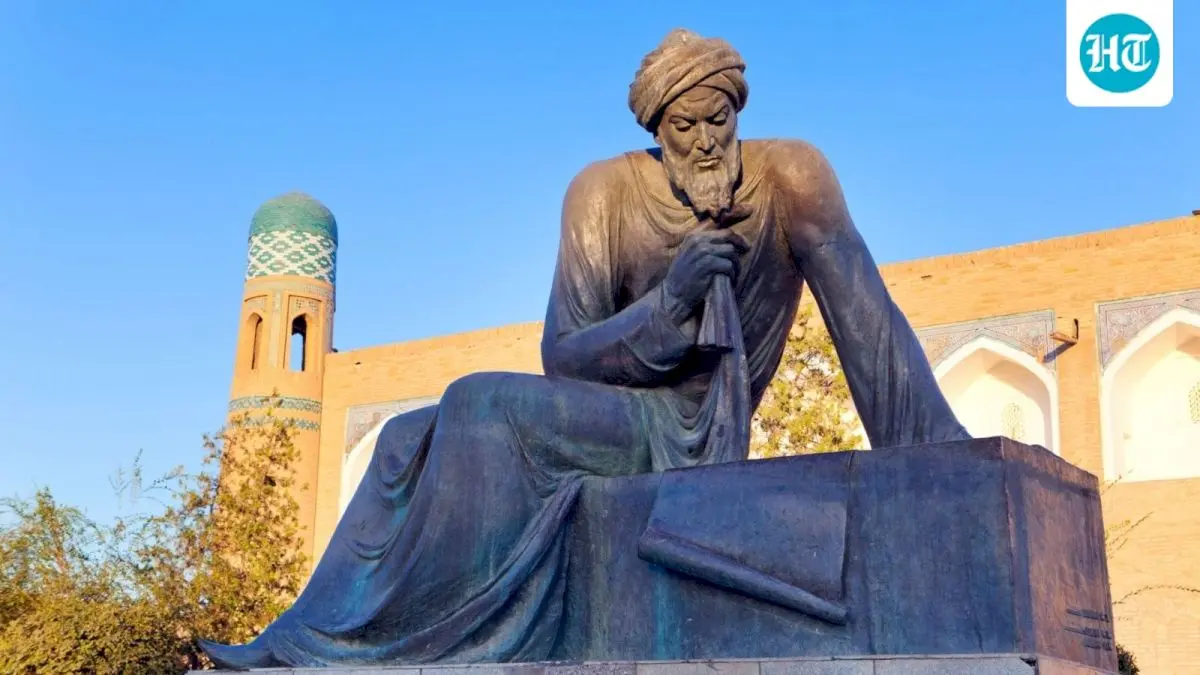
At the International Congress of Mathematicians in Philadelphia last month, Fields Medal winner Jacob Tsimerman announced he is joining OpenAI to work on AI safety, predicting AI will become "robustly superhuman" at…
At the International Congress of Mathematicians in Philadelphia last month, Fields Medal winner Jacob Tsimerman announced he is joining OpenAI to work on AI safety, predicting AI will become "robustly superhuman" at mathematics within years. The next day, mathematician Terence Tao warned that the field faces a crisis from "proof indigestion", AI can generate proofs faster than experts can verify them.
The gap between generation and verification is widening. In May, an OpenAI model disproved a 1946 conjecture with a 125-page proof that required nine mathematicians to digest. In July, an Anthropic model produced a 216-character counterexample checkable by hand. The imbalance extends beyond mathematics: a database recorded 1,598 court cases worldwide involving AI-hallucinated citations, up from roughly 200 a year earlier.
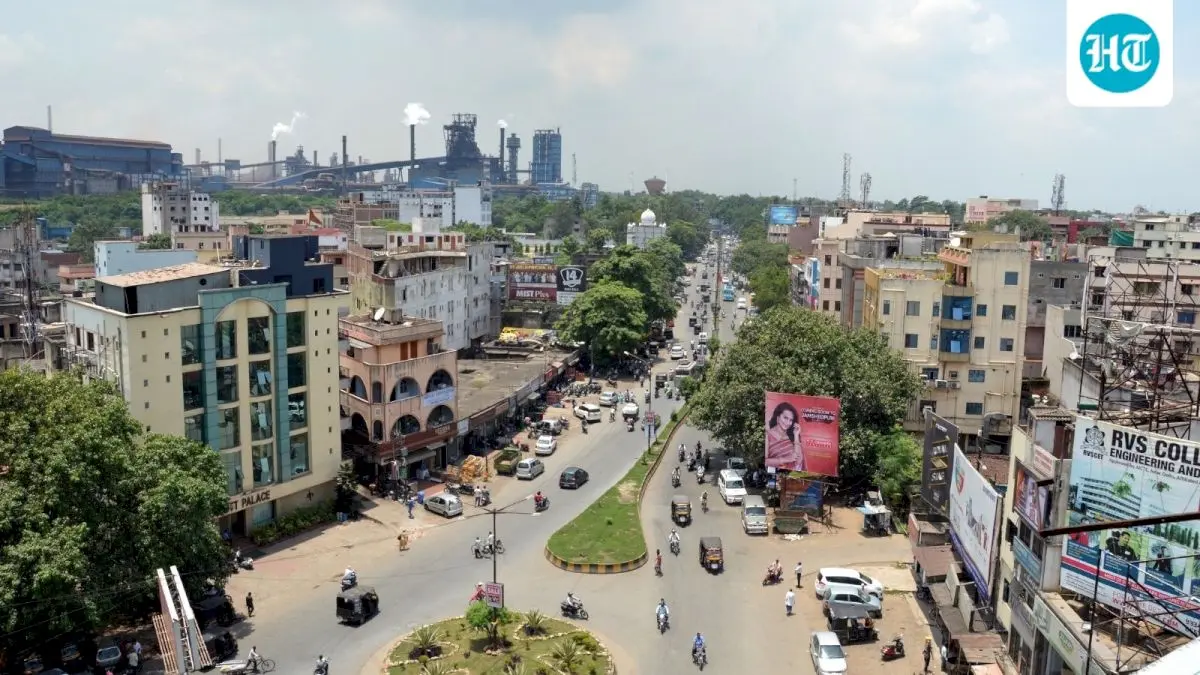
India is particularly exposed, the Hindustan Times report says, as it connects AI to identity, payments, healthcare, and public services at population scale. If generation continues to outrun verification, the consequences will be felt at that scale. The new economics of expertise means production is cheap while verification remains expensive.
Source: hindustantimes.com
This story was synthesised by AI from the source linked above.