

















Now Reading: India’s heat crisis deepens as high power costs put cooling out of reach
-
01
India’s heat crisis deepens as high power costs put cooling out of reach

India’s heat crisis deepens as high power costs put cooling out of reach

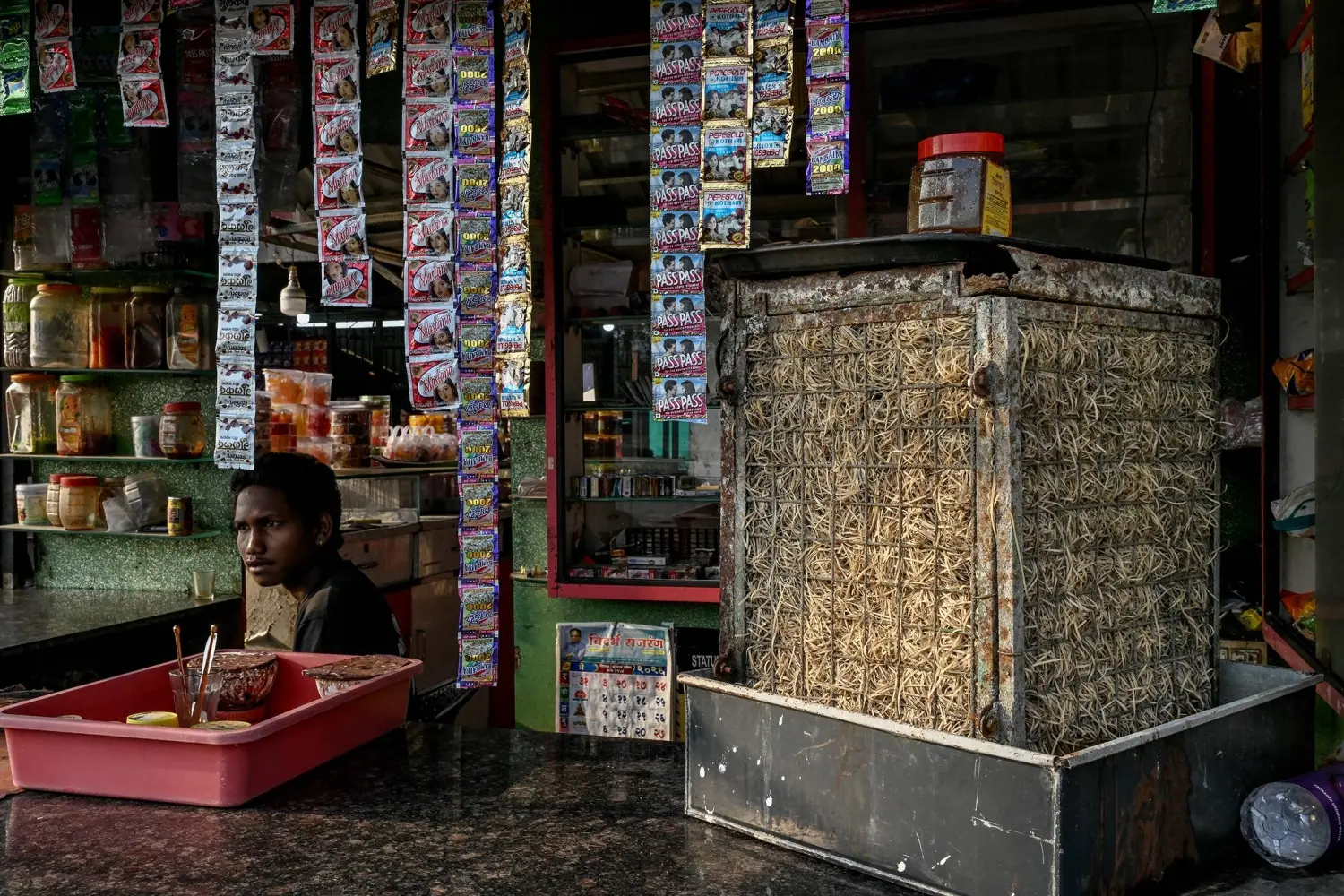
In Nagpur, one of the world's hottest cities, engineers have fitted transformers with coolers and fans to keep the grid running through a historic energy crisis. But for millions of households, this…
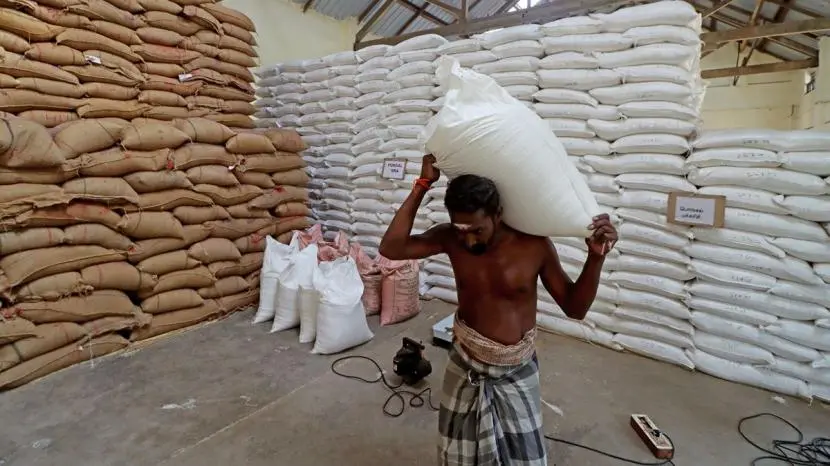
In Nagpur, one of the world's hottest cities, engineers have fitted transformers with coolers and fans to keep the grid running through a historic energy crisis. But for millions of households, this resilience comes at a price they cannot afford. Anuradha Shravan Kavle, a 40-year-old housemaid in the Sudam Nagari slum, keeps her cooler unplugged because electricity is too expensive. Her April bill was Rs 1,960 for 188 units, at least 10% of her family's monthly income.
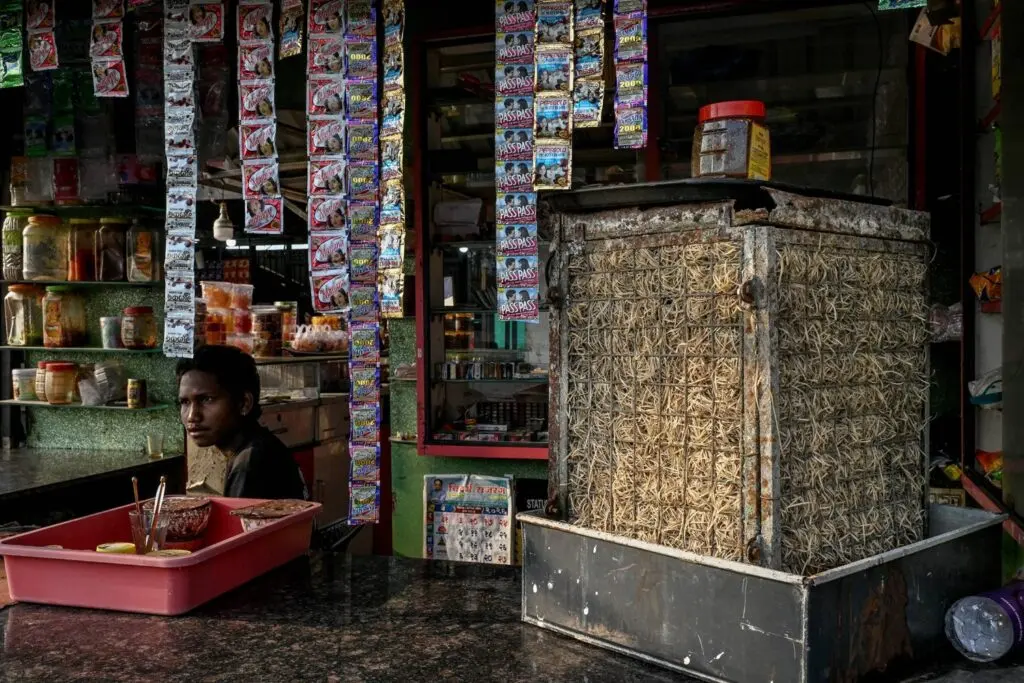
India's summers are becoming more unlivable, with heat and humidity rising towards survivability limits. On May 19, all 50 of the world's hottest cities were in India. McKinsey estimates heat stress could cost 4.5% of India's GDP by 2030. In Nagpur, heat action plans include cool wards in hospitals and shifted work shifts, but solutions remain piecemeal. In nearby Kelapur, farmers say subsidized electricity for irrigation arrives only during the hottest part of the day, leaving them unable to use it.
Indian Opinion Analysis
The heat crisis is not just a weather event but a test of India's power distribution model, where subsidised electricity for agriculture strains state finances. Maharashtra's scheme, typical of many states, prioritises grid stability over farmers' needs, forcing them to pump water at midday when evaporation is highest. The real consequence is a double bind: urban poor like Kavle ration power while rural farmers get power at the wrong hours. With the India Meteorological Department predicting above-normal heatwave days this year, the government's ability to reform subsidy timing and expand affordable cooling will determine how many more households slip into this trap. The next stress test comes with the monsoon onset, due in June.
The heat crisis is not just a weather event but a test of India's power distribution model, where subsidised electricity for agriculture strains state finances.
Source: japantimes.co.jp
This brief was synthesised by AI from the source linked above.