



















Now Reading: Kautilya’s Arthashastra details rain gauge system 2,300 years ago
-
01
Kautilya’s Arthashastra details rain gauge system 2,300 years ago


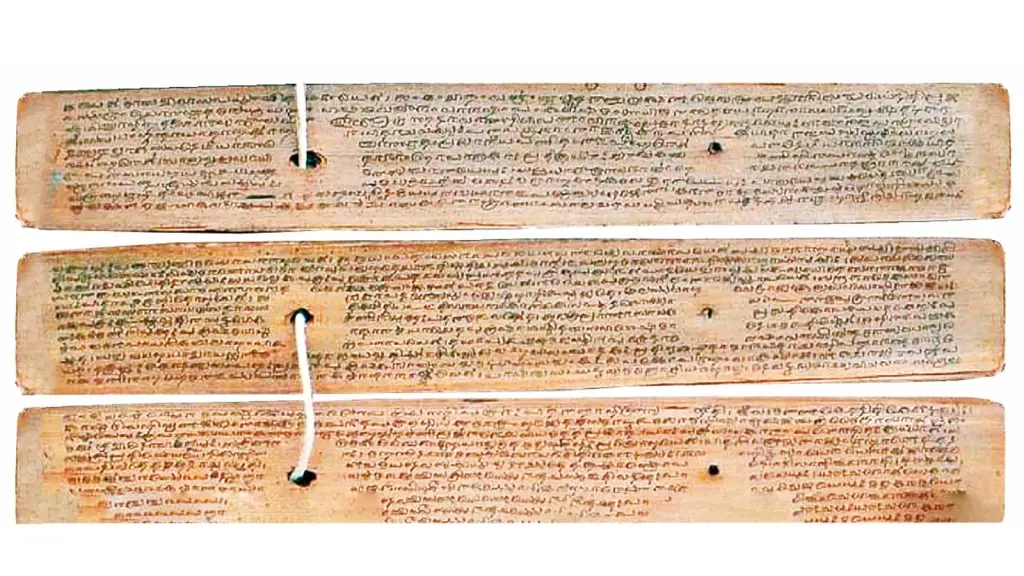
The Arthashastra, the ancient Indian treatise attributed to Kautilya, contains a detailed system for measuring rainfall, predating similar instruments in the West by over two millennia. The 4th-3rd Century BCE text describes…
The Arthashastra, the ancient Indian treatise attributed to Kautilya, contains a detailed system for measuring rainfall, predating similar instruments in the West by over two millennia. The 4th-3rd Century BCE text describes a bowl-shaped vessel called a 'varshamana' to collect rain, with standardised units and procedures for gauging precipitation across the Mauryan Empire.
Historians note that this sophisticated method was used for agricultural planning and tax assessment. Despite such early innovations, the authors highlight that India's rich scientific history remains poorly documented, as no major Indian university or institute like the IITs or IISc has a dedicated research unit for the history of science and technology.
Indian Opinion Analysis
India's failure to institutionalise the history of science means many discoveries like Kautilya's rain gauge remain footnotes even at home. The Arthashastra was written centuries before the first known Western rain gauge by Sir Christopher Wren in the 1660s. The discipline of history of science is a standard department in universities worldwide, its absence in India leaves a critical gap in understanding the country's own intellectual lineage. The upcoming National Education Policy 2026 may offer an opportunity to mandate such studies, but until then, these achievements rely on individual researchers rather than systemic scholarship.
Source: indianexpress.com
This brief was synthesised by AI from the source linked above.