













Now Reading: Medieval settlement with 100 skeletons found near India-Pak border
-
01
Medieval settlement with 100 skeletons found near India-Pak border

Medieval settlement with 100 skeletons found near India-Pak border

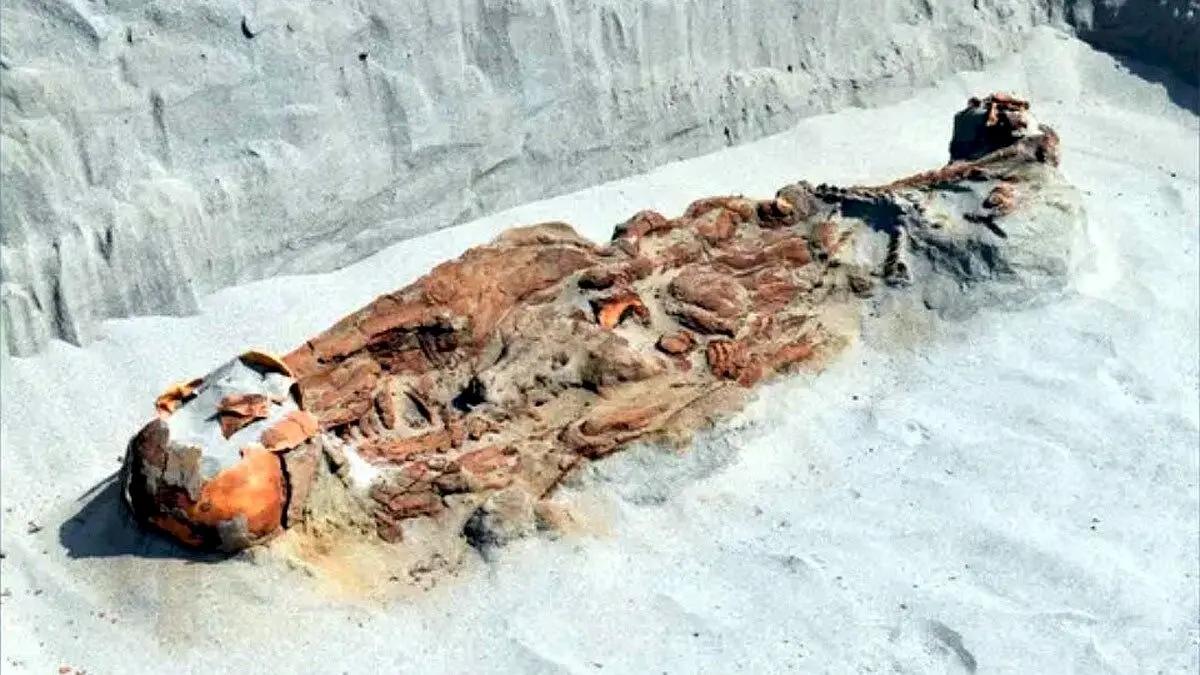
India Today reports that archaeologists have uncovered a medieval settlement near the India-Pakistan border in Kutch, with large brick structures, artefacts, and a cemetery containing about 100 human skeletons. The site, named…
The Story in Brief
India Today reports that archaeologists have uncovered a medieval settlement near the India-Pakistan border in Kutch, with large brick structures, artefacts, and a cemetery containing about 100 human skeletons. The site, named Barbadi Gaon, was first spotted by BSF personnel during patrols.
A joint team from Krantiguru Shyamji Krishna Verma Kachchh University and the University of Oxford is studying the settlement, which was mainly inhabited between the 11th and 14th centuries during the Soomra period. Excavations have found earthen vessels, oil lamps, a copper coin, a camel figurine, and rice-husking tools. The skeletons were found with heads facing west, and researchers suspect past seismic activity exposed them. The settlement may have stood near a waterway linking it to the Arabian Sea, suggesting it was once a centre of agriculture and trade.
The Indian Opinion
The discovery of Barbadi Gaon challenges the assumption that the Kutch border region has always been barren. Media may sensationalise the skeletons, but the real story is the evidence of a bustling medieval hub with trade links to the Arabian Sea. The Soomra period settlement suggests this desolate landscape was once connected and prosperous. What forced its abandonment? Further carbon dating of artefacts and analysis of the skeletons will tell us whether an earthquake or another catastrophe ended this thriving community.
Source: indiatoday.in
This story was synthesised by AI from the source linked above.