












Now Reading: Monsoon Linked to More Vaginal Yeast Infections, Gynaecologists Say
-
01
Monsoon Linked to More Vaginal Yeast Infections, Gynaecologists Say

Monsoon Linked to More Vaginal Yeast Infections, Gynaecologists Say

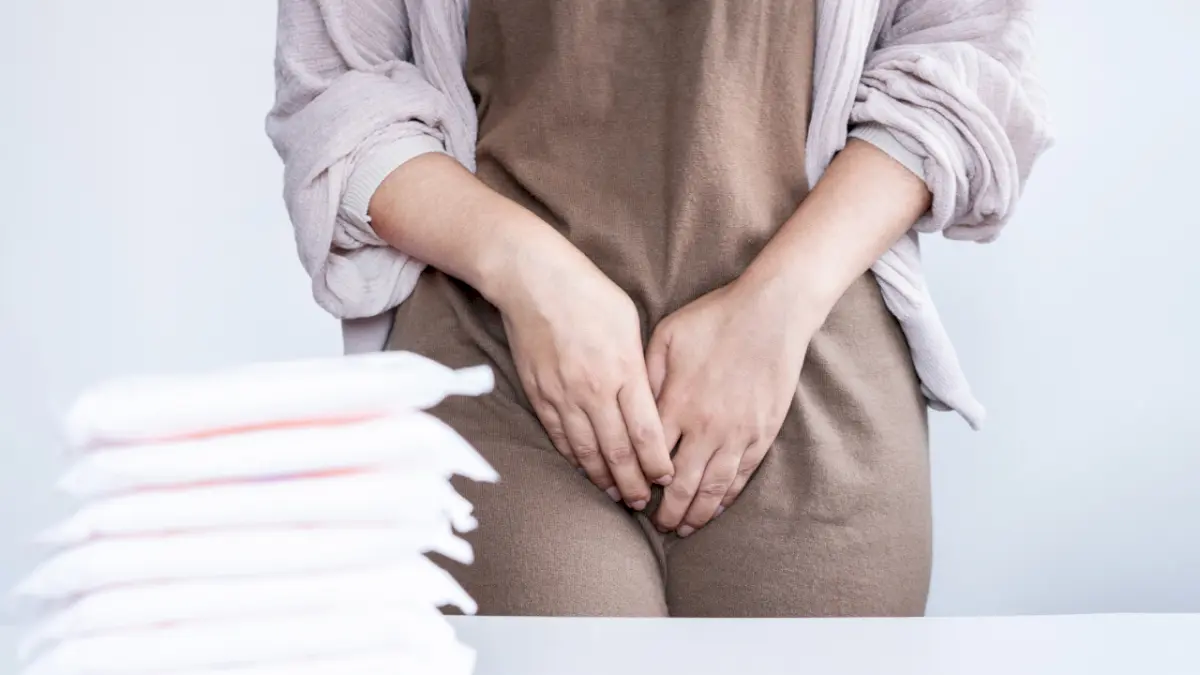
Gynaecologists in India report an uptick in women visiting clinics for vaginal itching and discharge during the monsoon season, though they caution this is a clinical trend rather than a proven seasonal…
The Story in Brief
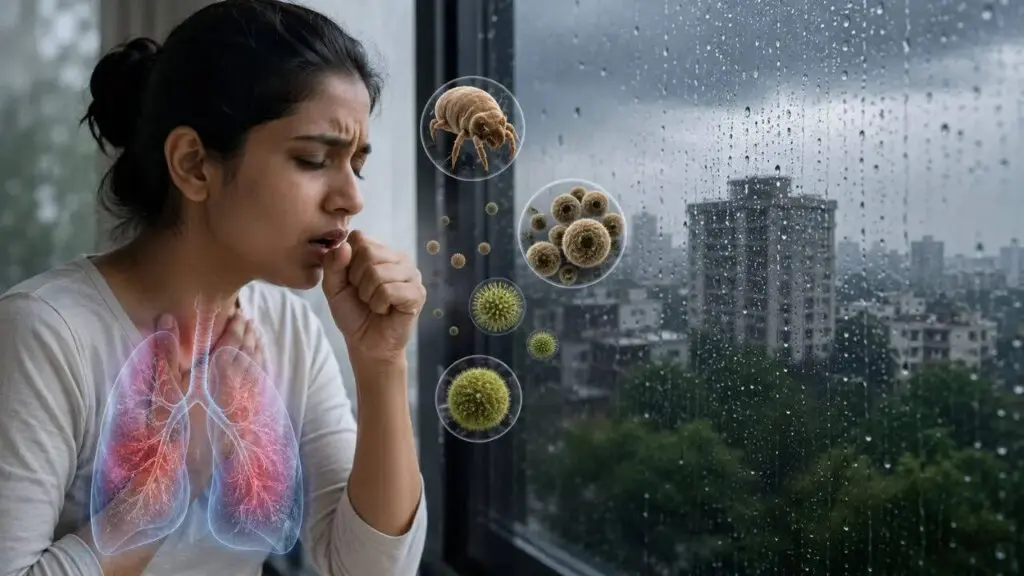
Gynaecologists in India report an uptick in women visiting clinics for vaginal itching and discharge during the monsoon season, though they caution this is a clinical trend rather than a proven seasonal epidemic, according to Dr. Gaana Sreenivas of Bone and Birth Clinic and Rainbow Hospital, Bangalore. Humidity and damp clothing create conditions for Candida overgrowth in susceptible women, but underlying factors like diabetes, antibiotic use, and pregnancy are more significant than occupation alone.

Self-diagnosis is unreliable because symptoms overlap with bacterial vaginosis and contact dermatitis. A South Indian study found that itching or discharge alone were poor predictors of confirmed candidiasis. Prevention includes changing wet clothes promptly, wearing cotton underwear, and controlling blood sugar. India lacks robust national data linking monsoon directly to vulvovaginal candidiasis, so doctors describe the pattern as an observed increase in symptoms and consultations.
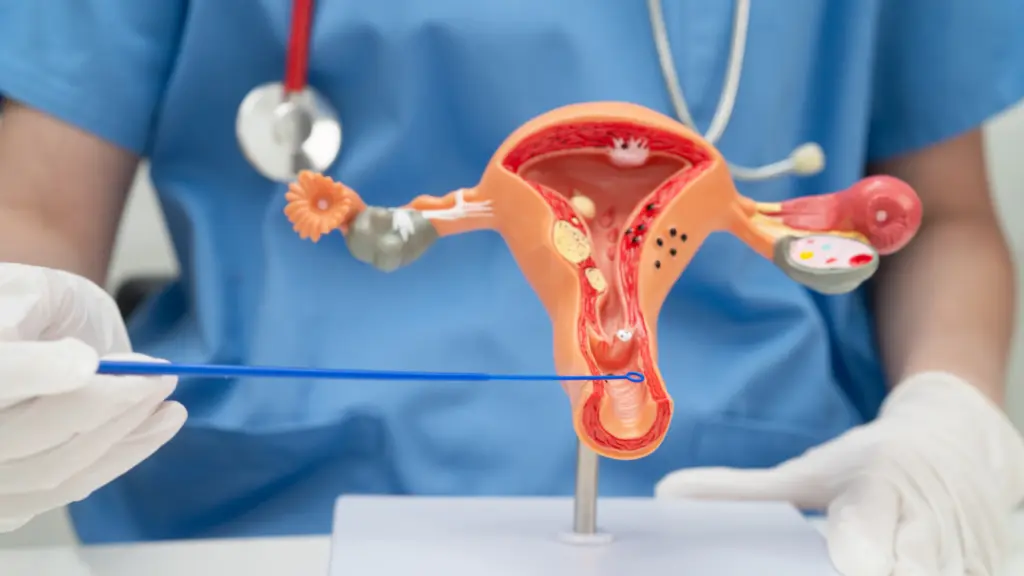
The Indian Opinion
The media often amplifies a simplistic 'monsoon equals yeast infection' narrative, but the real story is more nuanced. Attributing every case to rain ignores deeper medical factors like diabetes, antibiotic use, and pregnancy. The danger is that women self-diagnose and overuse antifungal creams, delaying correct treatment. The test to watch: when robust Indian seasonal data finally emerges, it will either confirm or refute the observed trend. Until then, blame the moisture, not the rain.
Source: timesnownews.com
This story was synthesised by AI from the source linked above.