








Now Reading: Parliamentary panel seeks MDR on high-value UPI transactions
-
01
Parliamentary panel seeks MDR on high-value UPI transactions


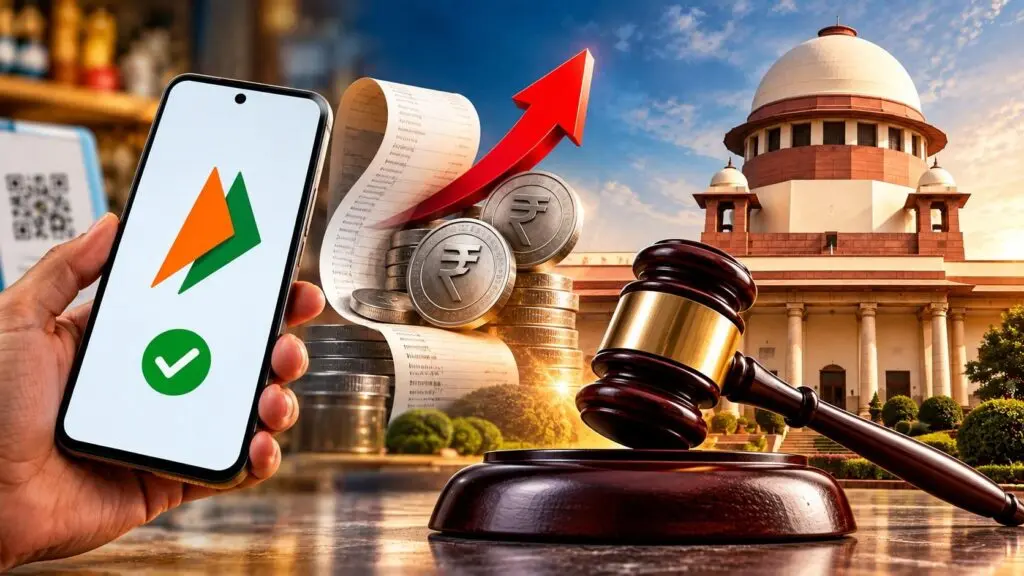
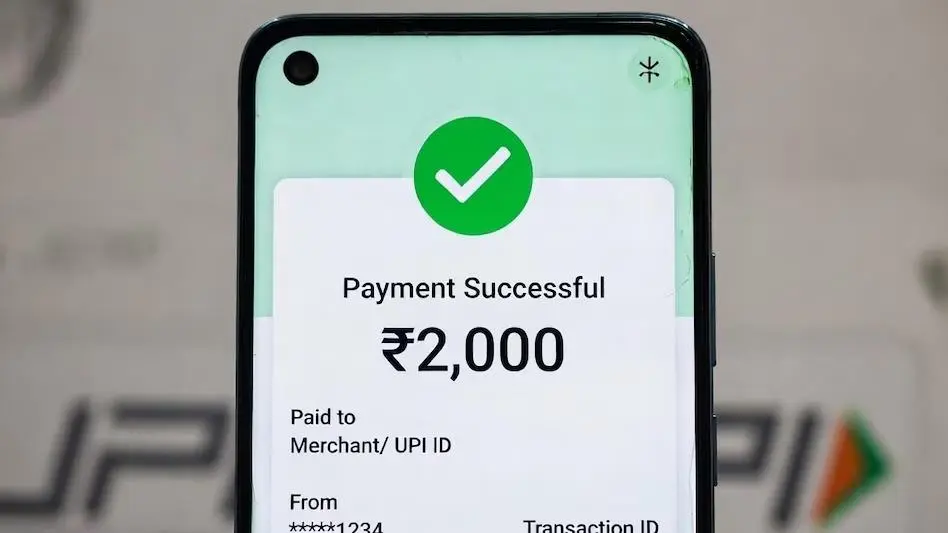
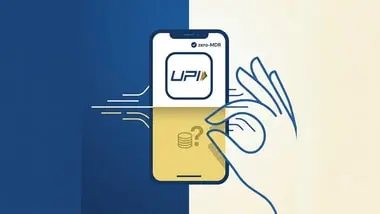
A Parliamentary Standing Committee on Finance has recommended bringing back the Merchant Discount Rate (MDR) for select high-value UPI merchant transactions. The move aims to make India's digital payments ecosystem financially sustainable…
The Story in Brief
A Parliamentary Standing Committee on Finance has recommended bringing back the Merchant Discount Rate (MDR) for select high-value UPI merchant transactions. The move aims to make India's digital payments ecosystem financially sustainable as the gap between government subsidies and actual operational costs widens. The government has allocated Rs 2,000 crore for UPI incentives, but the industry estimates its costs at Rs 20,700 crore. The committee warns that continued dependence on inadequate support threatens investments in cybersecurity and fraud prevention.
The exact transaction threshold and MDR rate are yet to be finalised. The UPI and Services Steering Committee, led by the National Payments Corporation of India, will decide the structure. The government says small merchants and person-to-person payments will remain protected. There is no proposal to charge ordinary UPI users directly; any fee would apply only to higher-value merchant transactions. UPI had zero MDR since January 2020 to promote digital payments.
The Indian Opinion
For a user paying ₹10 for chai via UPI, talk of MDR feels like a tax on convenience. But the numbers are stark: the government budgets ₹2,000 crore, while the industry needs ₹20,700 crore. The gap is not sustainable. The real test will be the transaction threshold set by NPCI. If small merchants are genuinely protected, this could be sensible cost-sharing. If the threshold is set too low, it risks slowing UPI adoption. Watch the final number.
Sources (2): ndtvprofit.com, livemint.com
This story was synthesised by AI from the 2 sources linked above.
Updated: this story now draws on 2 sources.