








Now Reading: Supreme Court Examines Shiv Sena Whip and Faction Dispute
-
01
Supreme Court Examines Shiv Sena Whip and Faction Dispute


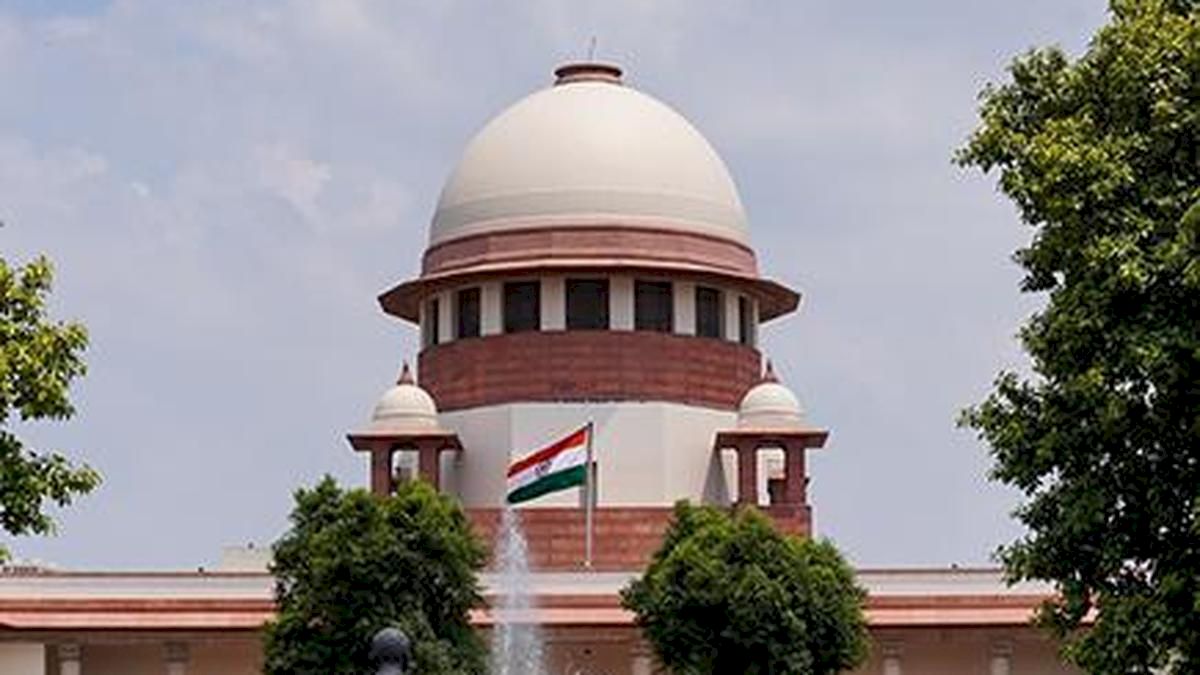
The Supreme Court on 5 August examined whether legislators can disregard official party directives because they command a majority among elected members. The three-judge Bench, led by Chief Justice Surya Kant, is…
The Story in Brief
The Supreme Court on 5 August examined whether legislators can disregard official party directives because they command a majority among elected members. The three-judge Bench, led by Chief Justice Surya Kant, is hearing Uddhav Thackeray’s challenge to the Election Commission’s recognition of Eknath Shinde’s faction as the Shiv Sena. Deccan Herald reports that the court said political parties must function democratically.

The Hindu reports that Shinde had the backing of 40 of the Sena’s 55 MLAs before the Thackeray government fell and a government was formed with BJP leader Devendra Fadnavis. The court is considering party control, dissent and the Tenth Schedule. It has issued no final written judgment.
The Indian Opinion
Claims that either faction’s position automatically settles the voters’ mandate oversimplify a dispute involving party rules, legislative numbers and the Tenth Schedule. The opposite claim, that a legislative majority alone settles party ownership, is also not yet a court finding. The Election Commission’s decision and the Supreme Court’s eventual reasoning must be read together. The written judgment will be the test, not interim observations or partisan slogans.
Sources (2): thehindu.com, deccanherald.com
This story was synthesised by AI from the 2 sources linked above.
Updated: this story now draws on 2 sources.