














Now Reading: Supreme Court rebuffs plea to monitor minority-run religious schools
-
01
Supreme Court rebuffs plea to monitor minority-run religious schools


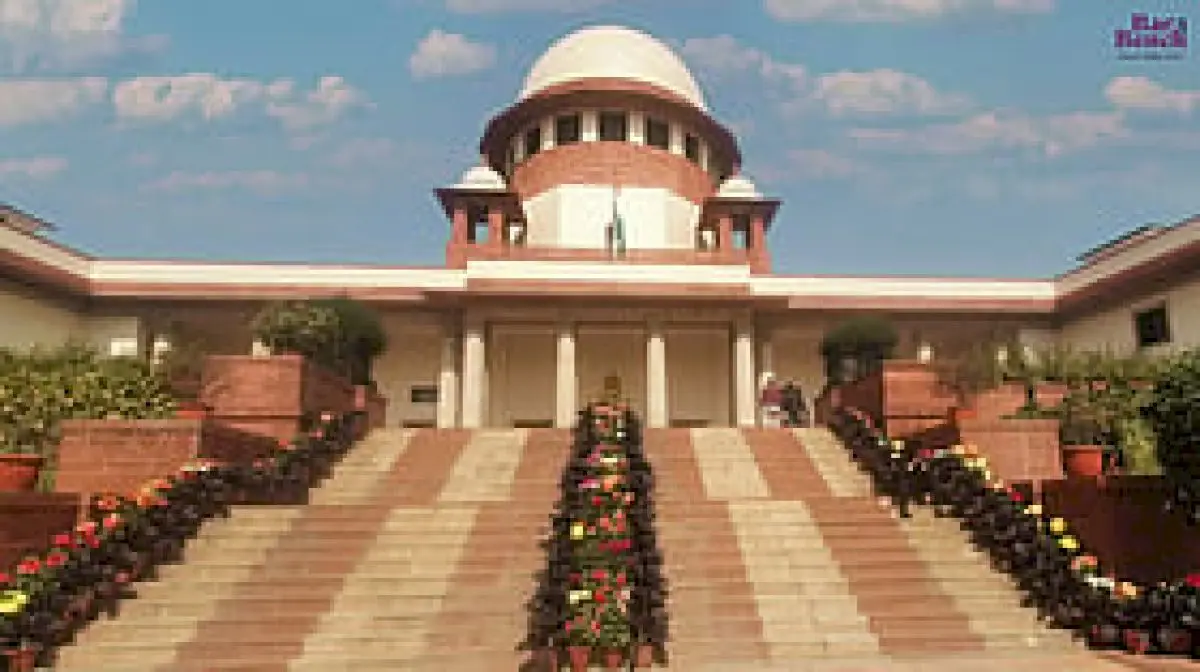
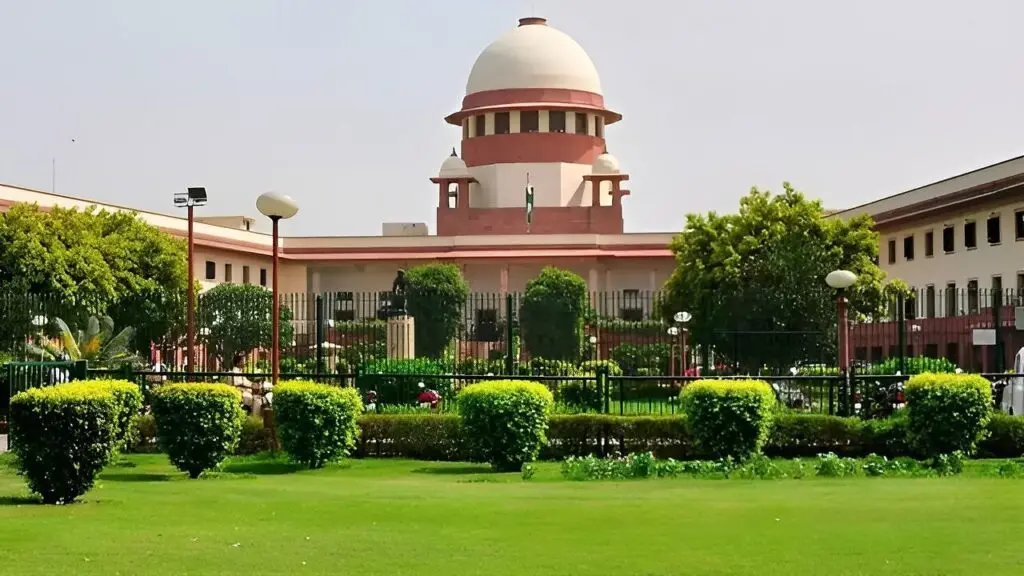
The Supreme Court on Monday declined to hear a PIL by BJP leader and advocate Ashwini Kumar Upadhyay that sought state registration, recognition, supervision, and monitoring of all institutions imparting secular education…
The Story in Brief
The Supreme Court on Monday declined to hear a PIL by BJP leader and advocate Ashwini Kumar Upadhyay that sought state registration, recognition, supervision, and monitoring of all institutions imparting secular education or religious instruction to children under 14. The petitioner alleged that semi-religious minority educational institutions, shielded by Article 30, are radicalising children.
A bench of Justices Aravind Kumar and Vipul Pancholi refused to entertain the plea, leading Upadhyay to withdraw it with the Court's permission. The petition had argued that Article 30 does not confer rights on institutions imparting religious education, claiming such institutions should fall under Article 26 (religious affairs) instead. The Court noted that the petitioner could pursue remedies in an appropriate forum.
The Indian Opinion
The petition peddles a familiar alarm: that minority institutions are brainwashing children under Article 30. But the Court rightly refused to entertain it, and the petitioner withdrew. The Constitution grants minorities the right to run their own educational institutions. The real test is not whether religious instruction happens alongside secular education, it already does in many schools, majority or minority. The question is whether any institution, religious or not, violates the ban on forcible conversion or compulsory religious instruction for young children. Let the debate move from sweeping claims to specific violations, backed by evidence.
Source: barandbench.com
This story was synthesised by AI from the source linked above.