




















Now Reading: Supreme Court upholds 1978 ‘industry’ test for old disputes
-
01
Supreme Court upholds 1978 ‘industry’ test for old disputes


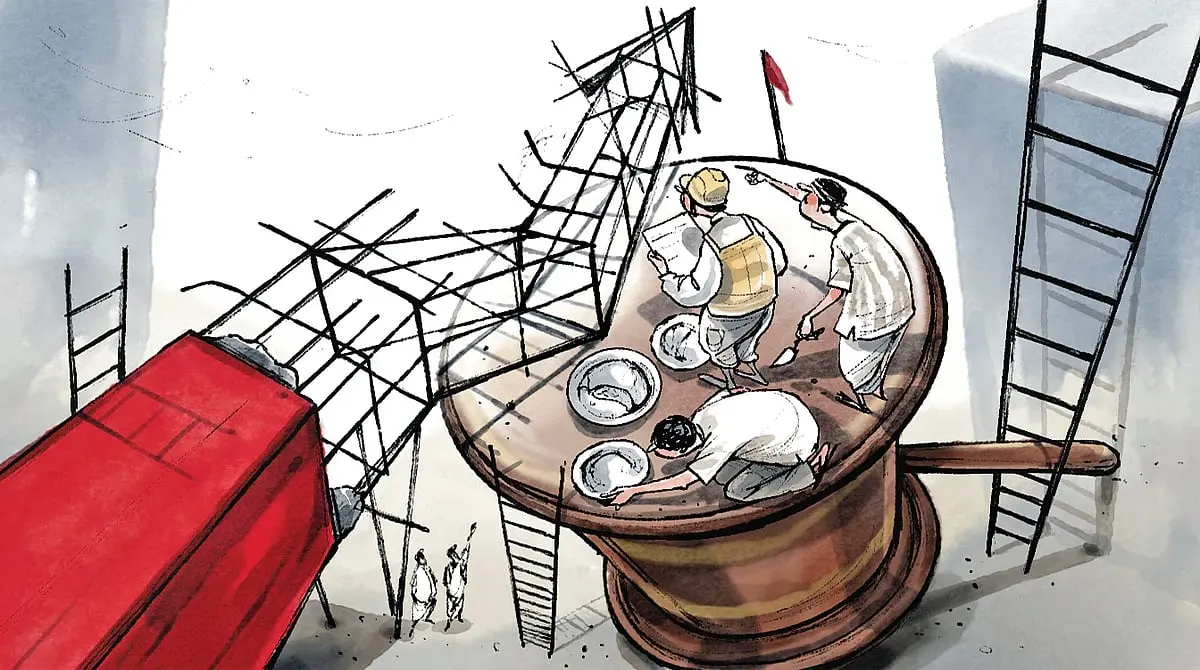
The Supreme Court on August 20 delivered a landmark verdict on the legal definition of 'industry' in Indian labour law. A nine-judge Constitution Bench ruled that the broad 1978 interpretation from the…
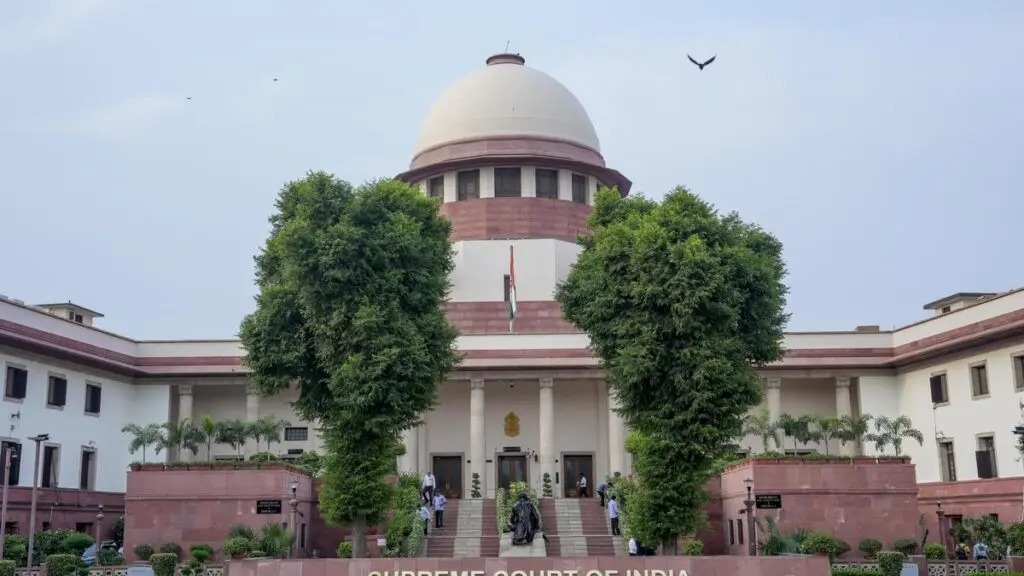
The Supreme Court on August 20 delivered a landmark verdict on the legal definition of 'industry' in Indian labour law. A nine-judge Constitution Bench ruled that the broad 1978 interpretation from the Bangalore Water Supply case will continue to apply to unresolved disputes under the old Industrial Disputes Act, 1947. The judgement clarifies that new cases will be governed by the definition under the Industrial Relations Code, 2020.
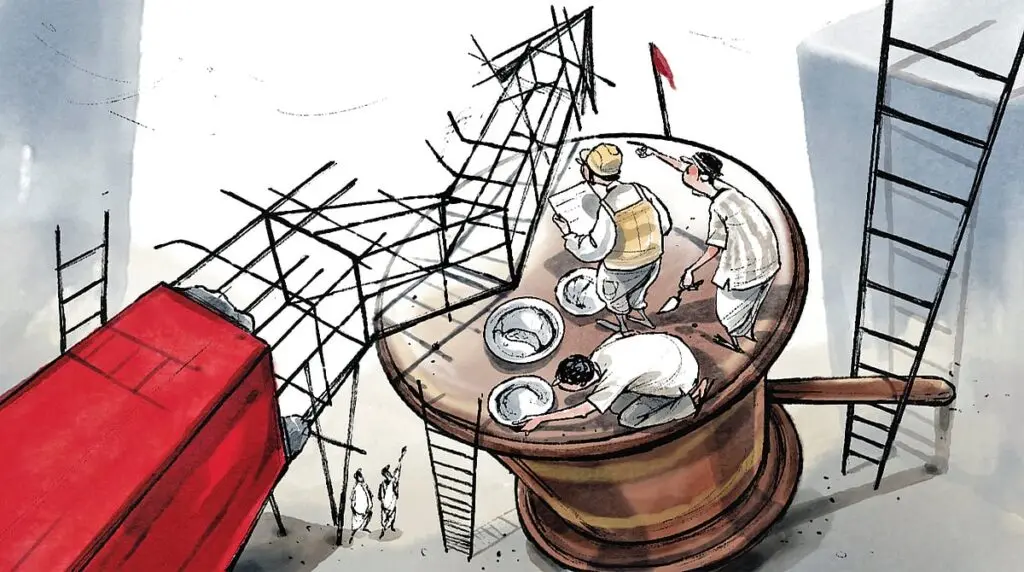
The 1978 triple test defined an industry as any systematic activity involving employer-worker cooperation to produce goods or services. The new Code retains this broad concept but explicitly excludes charitable institutions, domestic service, and sovereign government functions. The verdict separates the two legal regimes, providing legal continuity for legacy disputes while allowing the new Code to develop its own meaning of 'industry'.
Legal experts say the ruling reduces uncertainty for businesses dealing with old cases, while new enterprises will operate under the Code's clearer boundaries. The judgement is seen as balancing worker protection with the need for economic flexibility and simpler compliance.
Indian Opinion Analysis
The real significance of this verdict is jurisdictional: it prevents a legal vacuum for lakhs of pending industrial disputes that arose under the 1947 Act. Had the court overturned the 1978 test entirely, those cases would have lost their statutory foundation. The Industrial Relations Code, 2020, which replaces the old Act, has not yet been fully notified across all states, meaning the old law still governs many existing disputes. The next milestone to watch is the timeline for full implementation of the Code, which will finally retire the 1947 framework and end the dual-regime phase the court has now formalised.
Source: newindianexpress.com
This brief was synthesised by AI from the source linked above.