












Now Reading: US Senate fast-tracks bill to slap 100% tariff on India over Russian oil
-
01
US Senate fast-tracks bill to slap 100% tariff on India over Russian oil

US Senate fast-tracks bill to slap 100% tariff on India over Russian oil


The US Senate voted 86-12 to fast-track the Lindsey O. Graham Sanctioning Russia and Iran Act of 2026, which could impose tariffs of up to 100% on the top five importers of…
The Story in Brief
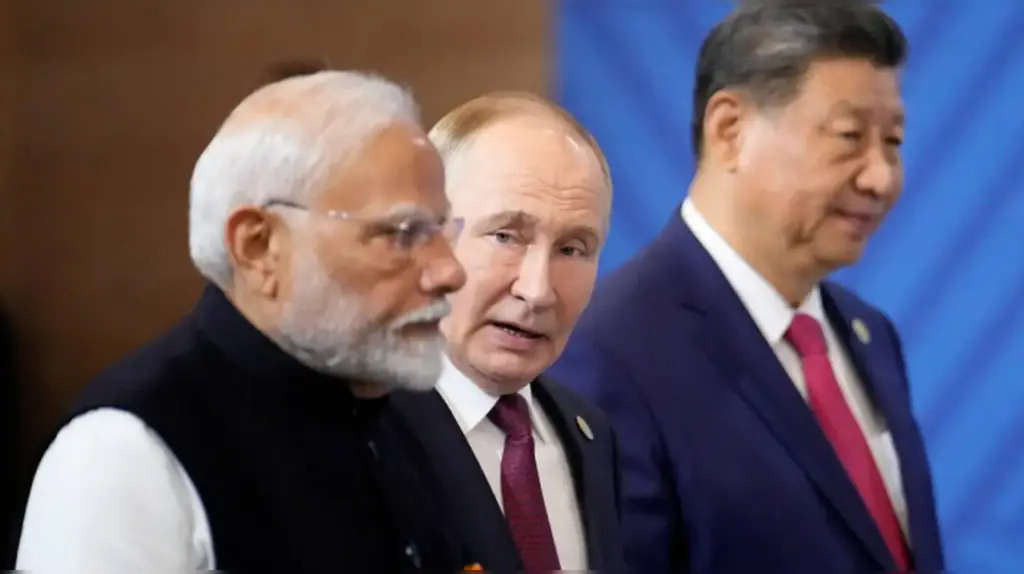
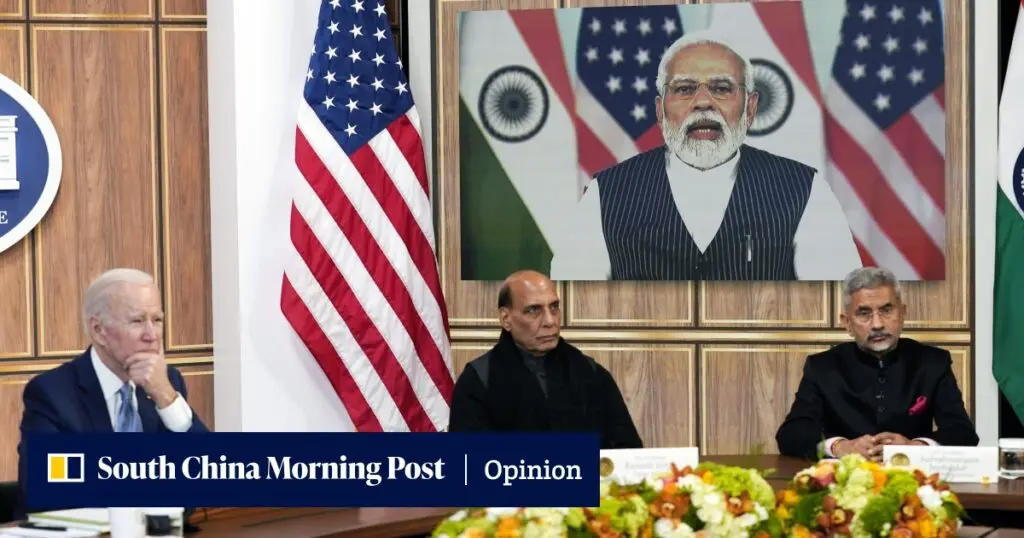
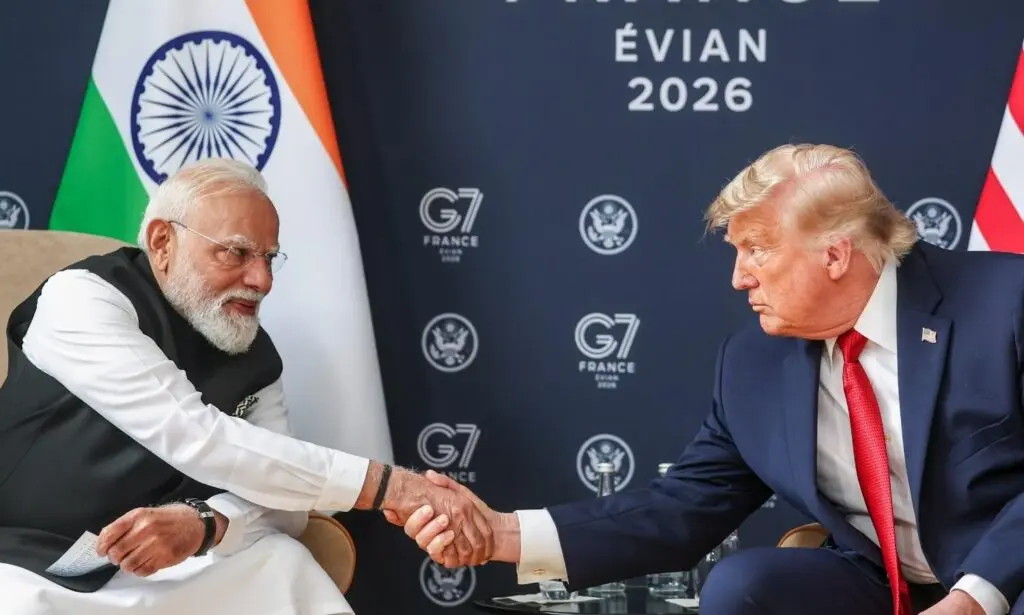
The US Senate voted 86-12 to fast-track the Lindsey O. Graham Sanctioning Russia and Iran Act of 2026, which could impose tariffs of up to 100% on the top five importers of Russian crude oil and natural gas. India is among the countries that would be hit, with Russian oil making up more than half of India's imports in June 2026, according to the Ministry of Petroleum and Natural Gas. China, Azerbaijan, Hungary and Slovakia are the other top importers.
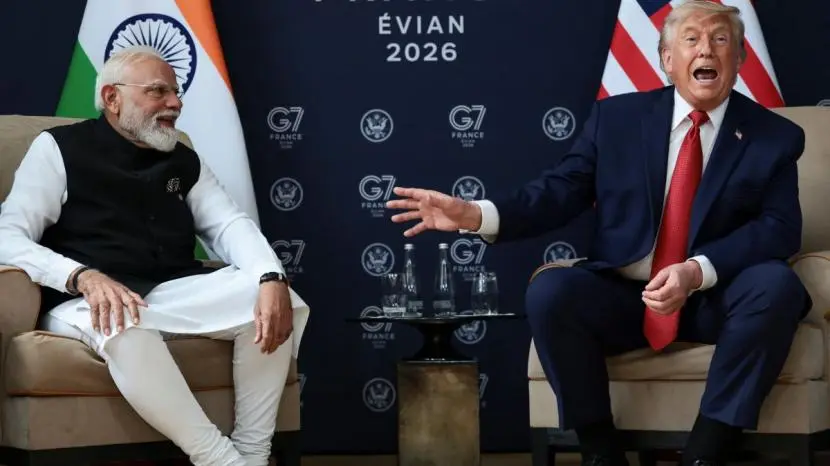
The revised Act lowers the earlier proposed 500% tariff to up to 100%, and includes a carve-out exempting nations importing less than 15% of Russia's natural gas exports. The bill also extends the Iran Sanctions Act till 2031. Some Democrats have criticised the legislation, warning it grants President Trump sweeping tariff powers that could be misused.
The Indian Opinion
The narrative that America is simply punishing India for buying Russian oil misses the larger game. Washington is steadily using trade and economic measures, reciprocal tariffs, Section 301 probes, forced-labour restrictions, to squeeze strategic competitors under the guise of sanctioning Russia. For India, the question is not whether the tariff will hurt (it will raise import costs and fuel inflation), but whether New Delhi has a plan beyond hoping for another carve-out. The real test will be how the House amends this Bill when it reconvenes.
Sources (2): thehindu.com, rediff.com
This story was synthesised by AI from the 2 sources linked above.
Updated: this story now draws on 2 sources.