












Now Reading: Why India’s Independence Was Marked at Midnight
-
01
Why India’s Independence Was Marked at Midnight


Lord Louis Mountbatten chose August 15, 1947, for the transfer of power, partly because it marked Japan’s surrender anniversary. Indian astrologers reportedly considered the date inauspicious, but the date could not be…
The Story in Brief
Lord Louis Mountbatten chose August 15, 1947, for the transfer of power, partly because it marked Japan’s surrender anniversary. Indian astrologers reportedly considered the date inauspicious, but the date could not be changed after political and legal arrangements were made. The Indian Independence Act fixed August 15 as the date for independence.
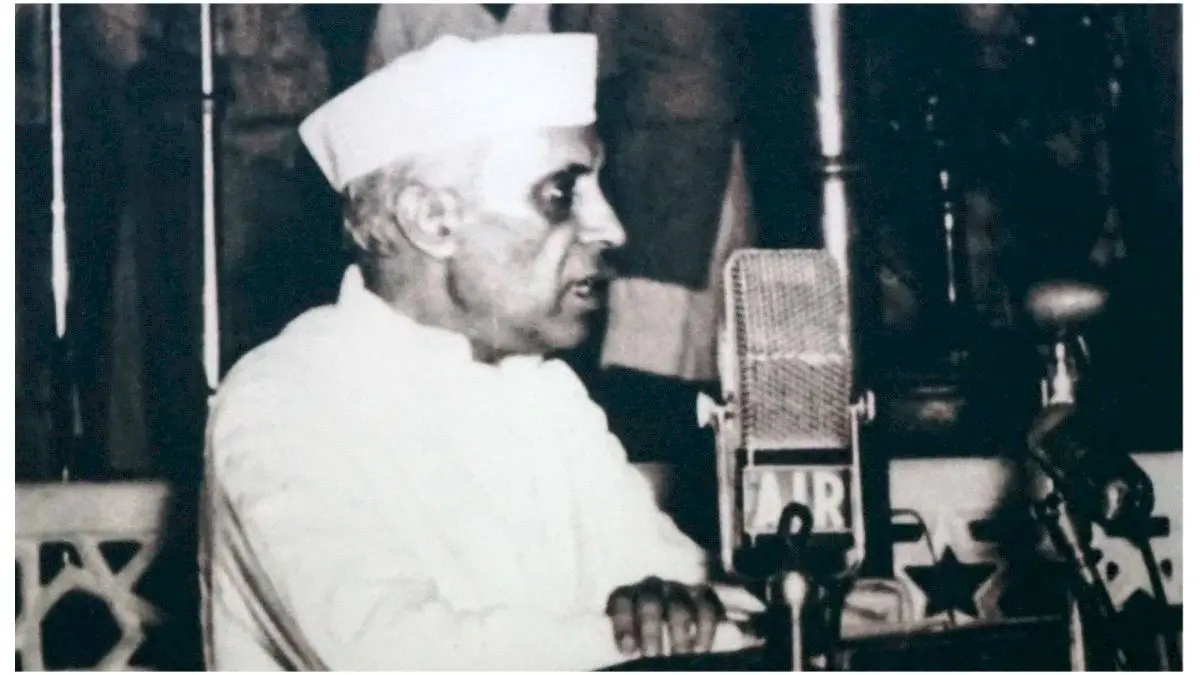
The compromise was to hold the key ceremony around midnight between August 14 and 15. The Constituent Assembly met from 11 pm, before Jawaharlal Nehru delivered his Tryst with Destiny speech. Popular accounts associate the timing with astrologers including Pandit Suryanarayan Vyas of Ujjain, who considered Taurus ascendant favourable. The legal transition and the ceremonial timing were distinct.
The Indian Opinion
The exaggerated version says astrology alone decided when India became free, while the dismissive version ignores why the timing mattered to leaders in 1947. The firm facts are that Mountbatten selected the date, British law fixed it, and the Assembly met at midnight. Astrological advice belongs to the story as a reported influence, not its sole cause. The useful test is simple: distinguish archival evidence about the decision from later accounts of its horoscope.
Sources (2): businesstoday.in, news.abplive.com
This story was synthesised by AI from the 2 sources linked above.
Updated: this story now draws on 2 sources.