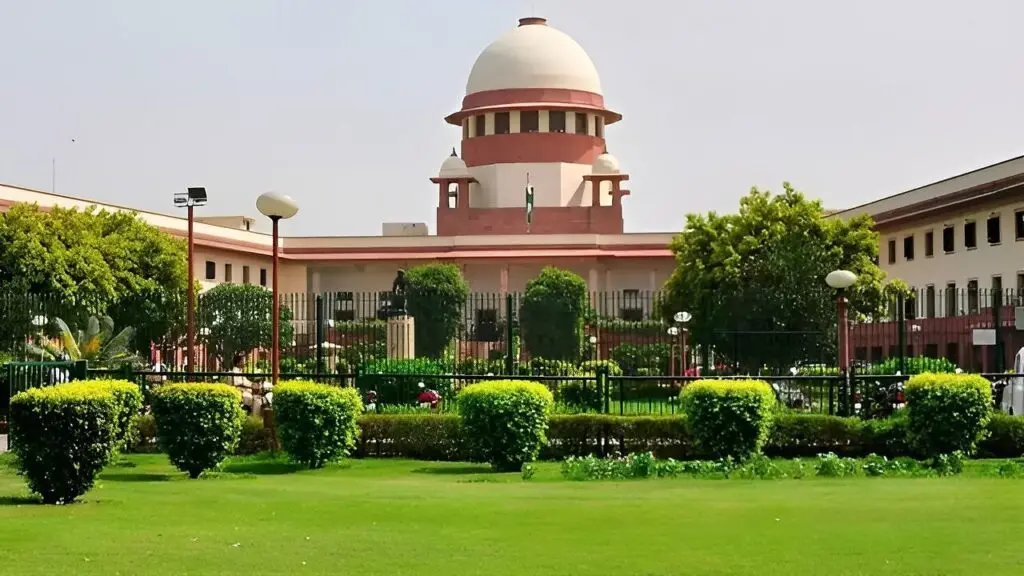















Now Reading: Centre Opposes Income-Based Sub-Quota Within SC, ST and OBC Reservations
-
01
Centre Opposes Income-Based Sub-Quota Within SC, ST and OBC Reservations

Centre Opposes Income-Based Sub-Quota Within SC, ST and OBC Reservations

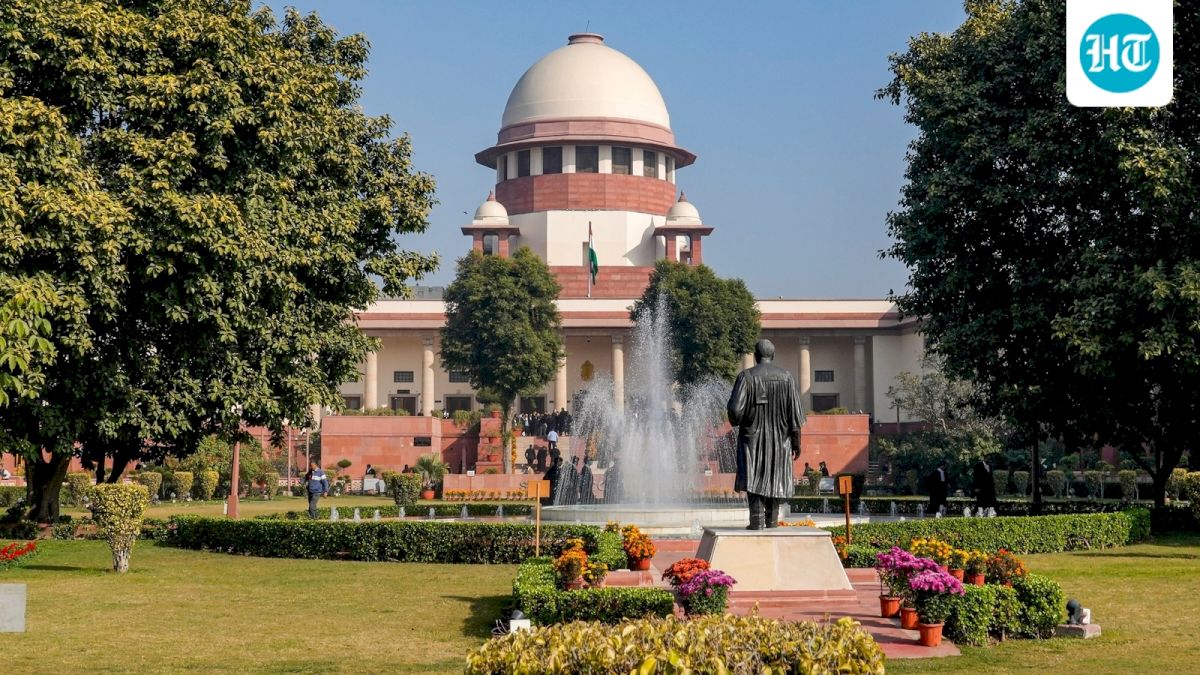
The Union government has urged the Supreme Court to reject petitions seeking income-based preferences or sub-quotas within SC, ST, OBC and EWS reservations. In its affidavit, the Centre said reservation for SCs…
The Story in Brief
The Union government has urged the Supreme Court to reject petitions seeking income-based preferences or sub-quotas within SC, ST, OBC and EWS reservations. In its affidavit, the Centre said reservation for SCs and STs rests on historical and social disadvantage, not income alone. It also opposed applying the creamy layer principle to SCs and STs, saying court precedent limits it to OBCs. The government argued that Parliament, not the courts, can alter the notified SC and ST lists under Articles 341 and 342.
The petitions seek priority for economically weaker people within reserved categories. The Centre said any such policy requires a broad empirical study of socio-economic data and cannot be ordered through a writ under Article 32. The batch is likely to be heard on August 18.
The Indian Opinion
Social media claims that reservation benefits are simply captured by the rich, or that ending quotas would solve economic hardship, both flatten a complex issue. The Centre is right that caste and tribal exclusion cannot be measured by income alone, while concerns about unequal access within categories deserve evidence rather than slogans. The useful test is whether a transparent study shows who receives education and job benefits, and whether Parliament acts on that data.
Sources (2): hindustantimes.com, timesnownews.com
This story was synthesised by AI from the 2 sources linked above.
Updated: this story now draws on 2 sources.