



















Now Reading: Five states get 85% of India’s equity inflow, says NITI Aayog index
-
01
Five states get 85% of India’s equity inflow, says NITI Aayog index


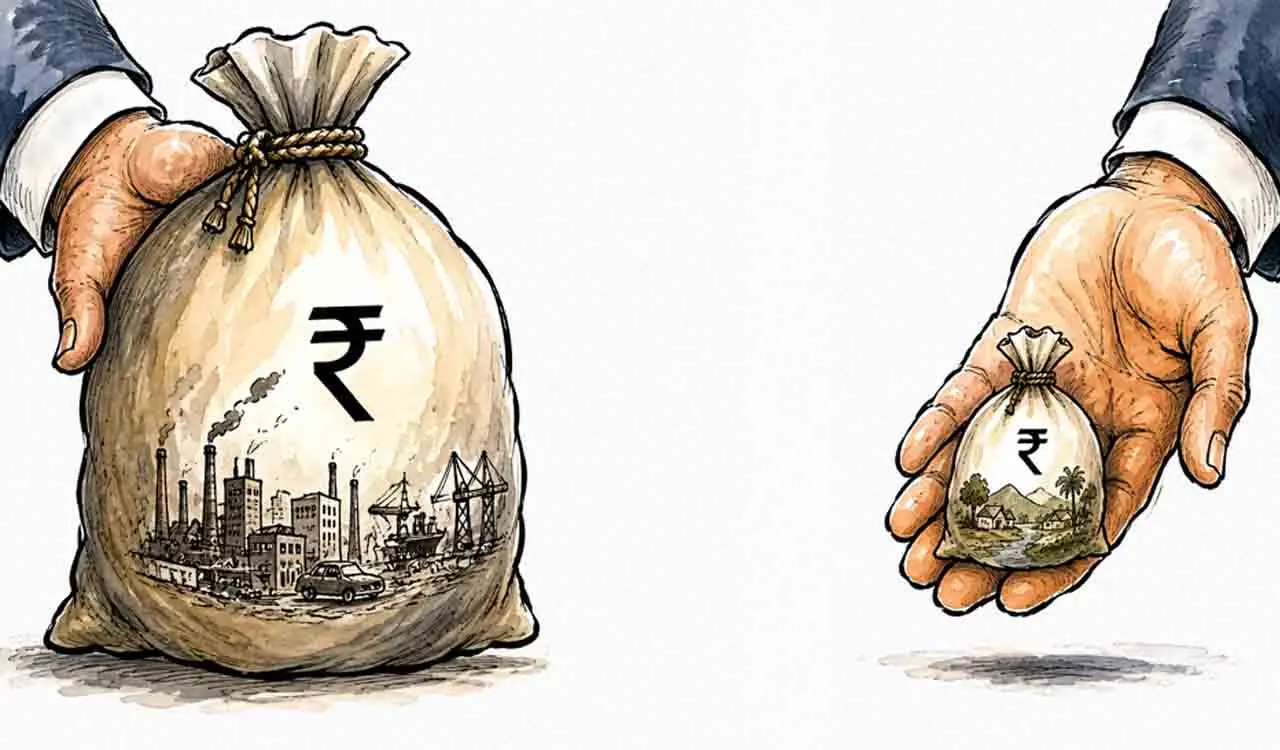
Maharashtra, Karnataka, Gujarat, Delhi and Tamil Nadu together received nearly 85 per cent of India's cumulative equity inflow between October 2019 and March 2026, according to the Investment Friendliness Index released by…
Maharashtra, Karnataka, Gujarat, Delhi and Tamil Nadu together received nearly 85 per cent of India's cumulative equity inflow between October 2019 and March 2026, according to the Investment Friendliness Index released by NITI Aayog. Maharashtra alone accounted for 31 per cent, followed by Karnataka at 21 per cent, Gujarat at 15 per cent, Delhi at 13 per cent and Tamil Nadu at six per cent. In contrast, the entire northeastern region attracted less than one per cent despite abundant natural resources, biodiversity and tourism potential.
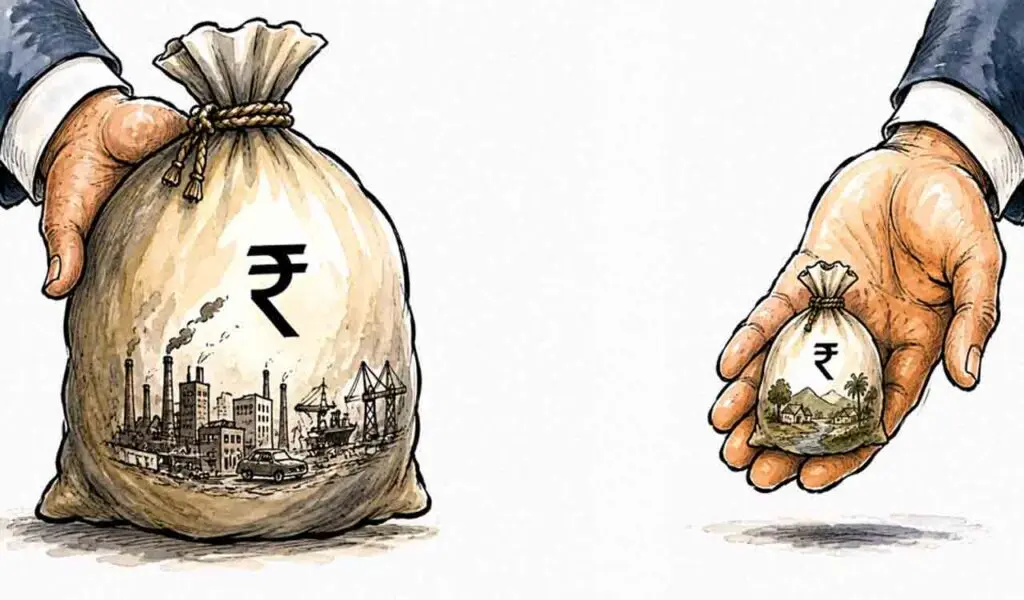
The index assessed all 36 states and union territories across eight dimensions including infrastructure, business climate, regulatory ease and institutional environment. It found that business climate was the only pillar with a statistically significant link to foreign direct investment. NITI Aayog noted that India needs sustained GDP growth of about 7.8 per cent to achieve developed economy status by 2047, and that private investment will be crucial beyond public expenditure. India's investment rate stood at 29.9 per cent of GDP in FY2025.
Indian Opinion Analysis
NITI Aayog's IFI framework moves beyond simple rankings to diagnose why regions with comparable resources attract vastly different investment. The finding that business climate alone correlates statistically with FDI suggests that piecemeal incentives like tax holidays matter less than systemic factors such as policy stability and skilled labour. For states like those in the Northeast, the path to closing the gap lies in building industrial clusters rather than competing on subsidies. The next reading of the index, expected in 2027, will show whether states can shift their scores by targeting the specific pillars that drive investor decisions.
Under the IFI framework, states scoring low on infrastructure and institutional effectiveness can use the data to prioritise reforms. NITI Aayog's methodology is likely to be adopted by state investment promotion boards for annual benchmarking.
Source: telanganatoday.com
This brief was synthesised by AI from the source linked above.