

















Now Reading: Jharkhand HC reduces sentence in Rs 300 bribery case from 1993
-
01
Jharkhand HC reduces sentence in Rs 300 bribery case from 1993



The Jharkhand High Court has reduced the sentence of a man convicted in a 1993 corruption case, taking into account the three-decade-long trial and the small amount of the bribe. The single-judge…
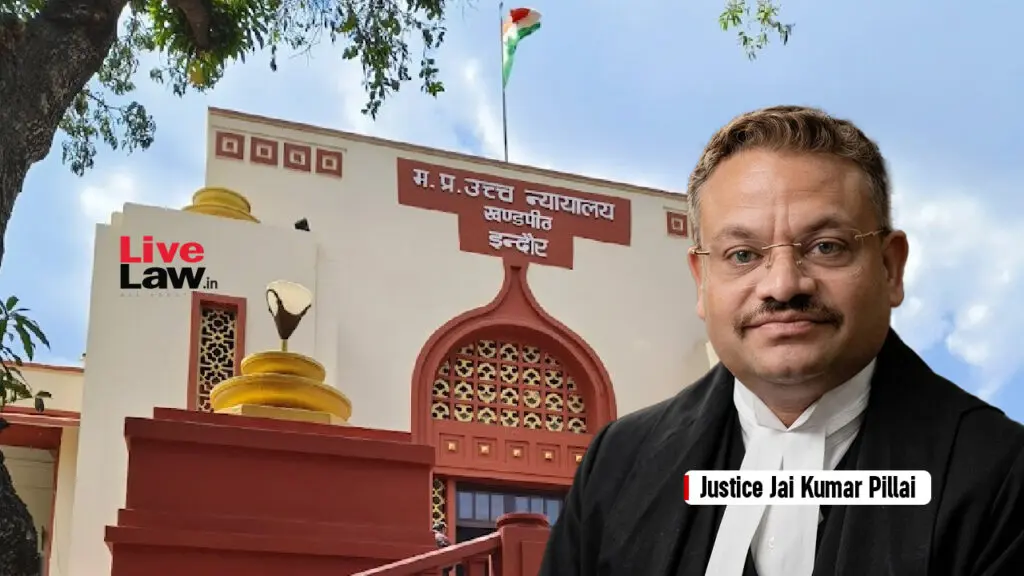
The Jharkhand High Court has reduced the sentence of a man convicted in a 1993 corruption case, taking into account the three-decade-long trial and the small amount of the bribe. The single-judge bench of Justice Pradeep Kumar Srivastava modified the sentence to the period already served by the appellant, Samir Kumar Choudhary.
Choudhary was accused of demanding Rs 300 to process a provident fund claim. The court noted he had already undergone one month and one day of custody and had paid a total of Rs 7,000, including a fine and bail deposit. The judge observed that the appellant had faced the "agony of the trial" for 30 years and had no previous criminal record.
While the Prevention of Corruption Act mandates a minimum six-month sentence, the court exercised its discretion. It dismissed the appeal on merits but modified the sentence to time served, discharging Choudhary from his bail bonds.
Indian Opinion Analysis
The case highlights how India's slow judicial process can produce outcomes that diverge from the statutory minimum sentences set by Parliament. The Prevention of Corruption Act, 1988, as amended in 2018, now prescribes a minimum three-year sentence for bribery, yet this case from 1993 operated under the older, more lenient six-month floor. The court's reasoning, that a 30-year ordeal and a trivial amount constituted sufficient punishment, may not apply to future cases under the stricter 2018 framework. What remains to be tested is whether higher courts will uphold similar reductions in cases where the trial itself becomes the primary punishment.
Source: livemint.com
This brief was synthesised by AI from the source linked above.