






















Now Reading: IIM Indore study: ‘Good enough’ decisions cut short-term uncertainty
-
01
IIM Indore study: ‘Good enough’ decisions cut short-term uncertainty

IIM Indore study: ‘Good enough’ decisions cut short-term uncertainty

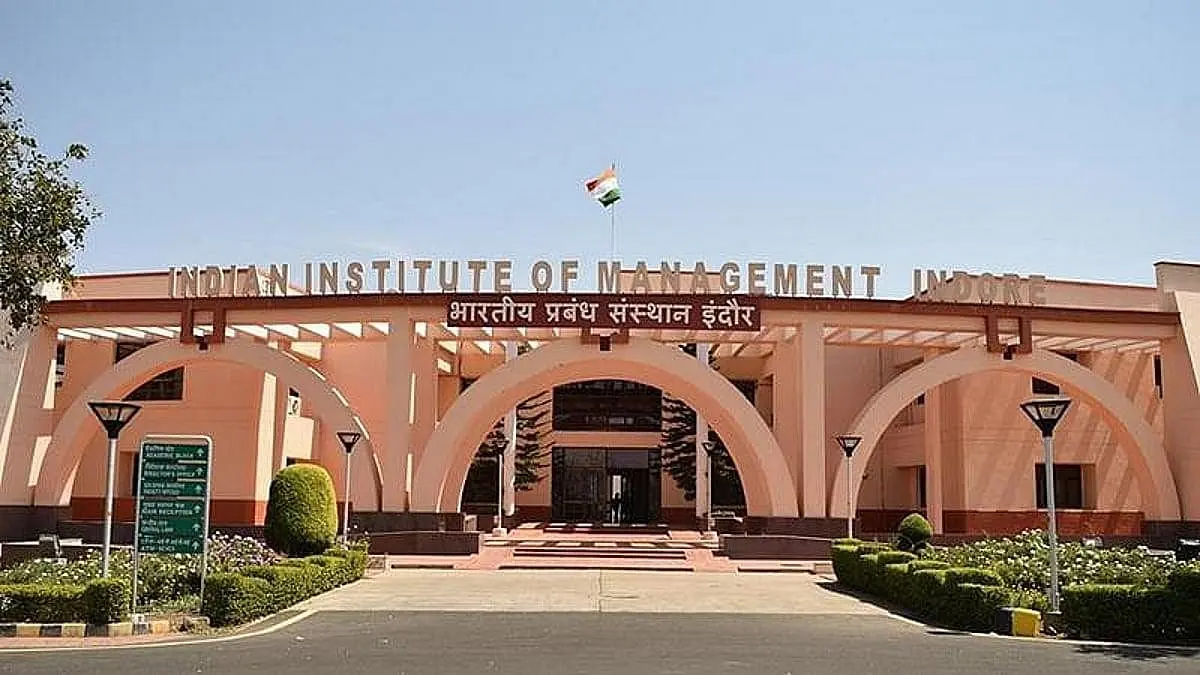
A new study by Indian Institute of Management Indore has found that managers who choose a 'good enough' solution instead of always seeking the perfect outcome can reduce uncertainty in short-duration projects. The research, conducted by Prof Sasanka Sekhar Chanda, was published in Computational and Mathematical Organization Theory.

The study extends Duncan's theory of organisational uncertainty by adding a third factor: how managers make decisions. Prof Chanda's model compared two approaches: maximising (seeking the best outcome) and satisficing (accepting an adequate threshold). The model found that satisficing reduced uncertainty in shorter projects with only a slight trade-off in success probability.
The findings suggest that searching for the perfect answer can increase cognitive pressure and uncertainty, particularly in rapidly changing environments. The study also recommends that organisations evaluate managers based on the uncertainty they overcame, not just outcomes. This could reduce cognitive load and shift focus from perfection towards learning and adaptation.
Source: freepressjournal.in
This story was synthesised by AI from the source linked above. Methodology and corrections.