















Now Reading: Supreme Court orders opt-out clause in student APAAR ID consent form
-
01
Supreme Court orders opt-out clause in student APAAR ID consent form


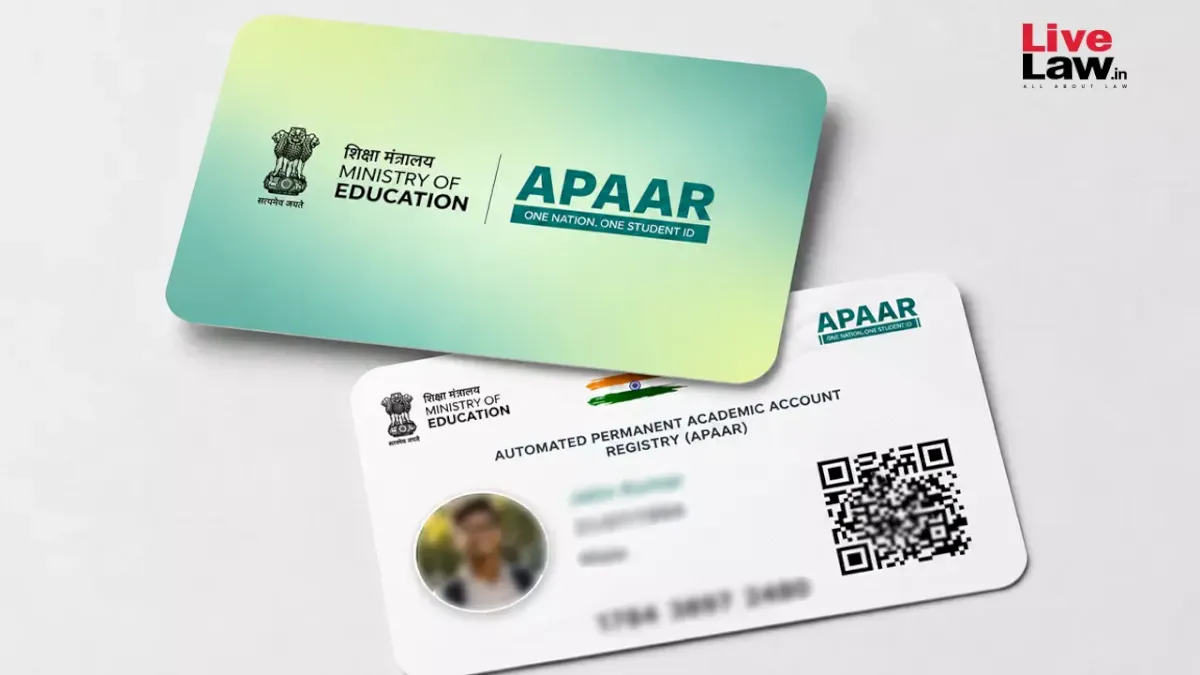
The Supreme Court has directed a pan-India implementation of an opt-out clause in the consent form for the Automated Permanent Academic Account Registry (APAAR) scheme. In Abhishek Baxi vs Union of India,…
The Story in Brief
The Supreme Court has directed a pan-India implementation of an opt-out clause in the consent form for the Automated Permanent Academic Account Registry (APAAR) scheme. In Abhishek Baxi vs Union of India, the court ruled that parents must be given the option to withhold consent before their child's Aadhaar is linked to the lifelong academic ID. The Orissa High Court had earlier found that the model consent form forced parents into a post-hoc withdrawal trap, violating the right to privacy under the Puttaswamy judgment. While the scheme itself is not defective, schools had made APAAR registration a de facto requirement for board exams, undermining its stated voluntary nature. The courts have now mandated explicit opt-out checkboxes to restore genuine parental choice.

The Indian Opinion
Two exaggerated narratives have surrounded the APAAR scheme: that it is a sinister surveillance tool, and that it is just harmless paperwork. The courts have rightly rejected both. The Orissa High Court and the Supreme Court found the scheme itself valid but struck down the coercive consent mechanism. The real test now is whether schools and the CBSE will stop making APAAR a prerequisite for board exams and allow parents to opt out from the start without penalty. Until the model form includes a clear 'no' option seen before signing, the voluntariness remains a mirage.
Source: livelaw.in
This story was synthesised by AI from the source linked above.